



The Power of Finger Millet
Ragi, or finger millet, is a nutritional powerhouse that has been a staple in Indian households for centuries. This ancient grain is naturally gluten-free, making it an excellent choice for those with gluten intolerance or celiac disease. It boasts an impressive
nutritional profile, with one of the highest calcium contents among all cereals, which is crucial for bone health. Furthermore, ragi is a rich source of dietary fibre, which aids digestion, helps in managing blood sugar levels, and can contribute to weight management by keeping you feeling full for longer. It's also packed with protein, iron, and essential amino acids that contribute to everything from tissue repair to skin health. The high levels of antioxidants found in ragi also help protect the body's cells from damage.
Quick and Easy Ragi Crepe Batter
The beauty of these savoury crepes lies in their simplicity. Unlike traditional dosas, you can make an instant version that doesn't require hours of fermentation, making it perfect for a quick morning meal. Here’s a simple batter recipe to get you started: Ingredients: - 1 cup ragi flour (finger millet flour) - ½ cup rice flour - ¼ cup rava (semolina or suji) - 1 small onion, finely chopped - 1-2 green chillies, finely chopped - 1 teaspoon grated ginger - A few curry leaves, chopped - 1 teaspoon cumin seeds - Salt to taste - About 2.5 to 3 cups of water - Oil or ghee for cooking Instructions: In a large mixing bowl, combine the ragi flour, rice flour, and rava. Add the chopped onion, green chillies, ginger, curry leaves, cumin seeds, and salt. Gradually pour in the water while whisking continuously to avoid lumps. The goal is a thin, free-flowing batter, similar to the consistency of buttermilk. Let the batter rest for about 15 to 20 minutes; this allows the rava to absorb water and the flavours to meld.
Cooking the Perfect Crepe
Cooking these crepes, often called ragi dosa, is an art that's easy to master. The key is a hot pan and a thin batter. Heat a non-stick or cast-iron tawa over medium-high heat. Once it's hot, stir your batter well, as the flours tend to settle at the bottom. Pour a ladleful of the batter from the outer edge of the pan towards the centre, creating a lacy, net-like pattern. Don't try to spread it like a thick pancake; the watery consistency will naturally spread out. Fill in any large gaps with a little more batter. Drizzle a teaspoon of oil or ghee around the edges and on top. Let it cook for 2-3 minutes, or until the bottom turns golden brown and the edges begin to lift from the pan. Since this crepe is so thin, you often don't need to flip it. Simply fold it over and serve it hot.
Serving Suggestions and Variations
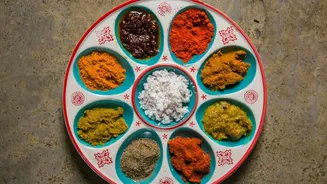
These savoury ragi crepes are incredibly versatile and pair wonderfully with a variety of accompaniments. A classic combination is serving them with coconut chutney, tomato chutney, or a bowl of hot sambar. For a more filling meal, you can add a spoonful of potato masala before folding the crepe to create a delicious ragi masala dosa. You can also serve them with a side of yogurt or a sprinkle of 'podi' (chutney powder) mixed with ghee. Feel free to experiment with the batter itself. You can add other finely grated vegetables like carrots or cabbage for extra nutrients and texture. For a different flavour profile, try adding a pinch of asafoetida (hing) or some finely chopped coriander leaves to the batter.