









A Bridge Across Generations
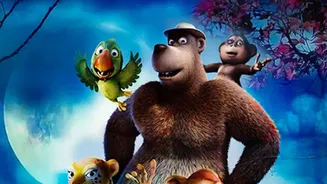
Unlike many live-action films that are either too simplistic for adults or too complex for children, modern animated movies are intentionally crafted to entertain a wide audience. Filmmakers create stories with multiple layers; a bright, colourful adventure
for kids that simultaneously explores themes of parenthood, identity, and loss that resonate deeply with adults. Think of Pixar’s ‘Coco’, which is a vibrant musical journey into the Land of the Dead for a child, but a poignant reflection on family history, memory, and grief for a parent. This multi-layered approach ensures that no one is simply tolerating the film for someone else's sake. Instead, every family member is actively engaged, creating a truly shared experience that strengthens family bonds.
Humour That Everyone Can Enjoy
One of the signature elements of great family animation is its two-tiered humour. The script will often feature slapstick comedy and visual gags that have children laughing out loud, while also weaving in clever wordplay, subtle cultural references, and in-jokes that fly right over kids' heads and land perfectly with the adults. This allows parents and children to share in the joy of laughter together, even if they aren't always laughing at the same thing. This shared amusement is a powerful connector, relieving stress and creating a relaxed, positive atmosphere that fosters closeness. It transforms movie night from a passive activity into an interactive one filled with shared smiles and chuckles.
Sparking Important Conversations
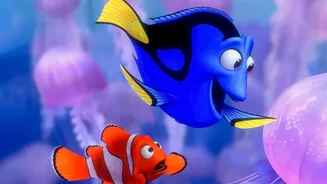
Animated films have a unique ability to tackle complex and serious subjects in a gentle, accessible way. Through allegory and metaphor, movies can explore universal themes like sadness in 'Inside Out', perseverance in 'Finding Nemo', or self-acceptance in 'Frozen'. These stories provide a safe and natural starting point for parents to discuss important life lessons and challenging emotions with their children. Experts note that discussing a film's themes can help children develop empathy, emotional intelligence, and critical thinking skills. Asking a simple question like, “Why do you think the character felt that way?” can open up a meaningful dialogue that might be more difficult to initiate otherwise, turning entertainment into a valuable teaching moment.
The Power of a Shared Emotional Journey
A great story makes us feel something, and experiencing that emotional arc together as a family is a profound bonding agent. Animated movies are masters of emotional storytelling, guiding audiences through moments of triumph, heartbreak, fear, and joy. When a family gasps together at a plot twist, tears up at a touching moment, or cheers for the hero's victory, they are building a collective memory. This shared emotional investment helps deepen emotional ties and fosters a sense of unity. Studies have shown that such collective experiences can even boost the release of endorphins associated with social bonding. The emotional catharsis offered by these films allows family members to express and process feelings in a safe, shared space, strengthening their connection.