





Embrace the Monsoon Mindset
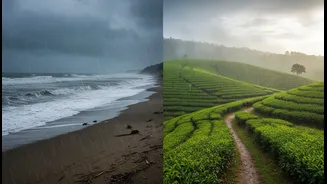
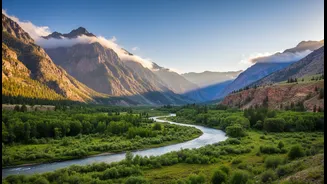
The first step to a brilliant Western Ghats holiday is a change in perspective. Forget the idea of a perfectly sunny vacation and instead lean into the drama of the monsoon. From June to September, this UNESCO World Heritage site transforms. Dry, brown
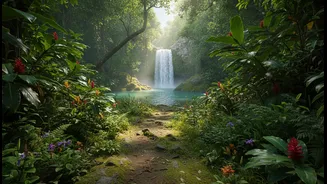
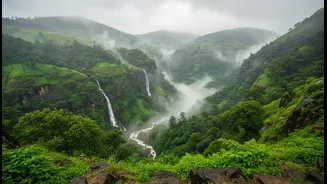
hillsides erupt into electric green carpets. Waterfalls that are mere trickles for most of the year become thunderous cascades. The air, thick with the scent of wet earth (petrichor), feels alive. Another significant advantage is the relative solitude. As many tourists stay away, you get to experience popular spots like viewpoints and trails with fewer crowds, allowing for a more peaceful and immersive connection with nature. This is the time the entire ecosystem comes alive, from the tiniest frogs to the most spectacular flora.
Choose Your Monsoon Sanctuary
Not all destinations in the Ghats are created equal during the monsoon. The key is to pick places that thrive in the rain. In Karnataka, Coorg (Kodagu) and Chikmagalur offer stunning vistas of mist-covered coffee and spice plantations. Waterfalls like Abbey Falls and Iruppu Falls are at their most majestic during this time. Kerala’s Munnar is a dreamscape of rolling tea gardens shrouded in fog, while Wayanad becomes a haven for chasing waterfalls like Soochipara and exploring lush forests. In Maharashtra, destinations like Mahabaleshwar and Malshej Ghat become incredibly picturesque with countless streams and green valleys. For a unique experience, consider Goa beyond the beaches; the hinterlands like Mollem and Chorla Ghat reveal a different, wilder side of the state.
Activities That Come Alive in the Rain
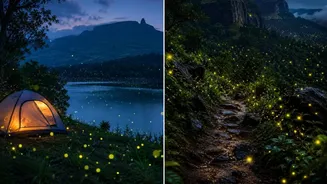
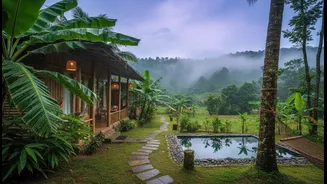
Monsoon travel isn't about being cooped up indoors; it's about choosing the right activities. Short, guided treks on well-marked trails are incredibly rewarding, offering views of mist-filled valleys and lush shola forests. However, this is also the time for more unique ecological experiences. Several organizations host 'frog walks' in places like Agumbe and Wayanad, where naturalists help you identify rare amphibians by their calls after dark. In the pre-monsoon and early monsoon period in Maharashtra, you can witness the magical spectacle of firefly festivals. For the less adventurous, scenic drives through the Ghats, visiting spice plantations, or simply enjoying a hot cup of tea while watching the rain from a cozy homestay are profound pleasures in themselves.
Pack Smart, Not Heavy
Your packing list can make or break a monsoon trip. The golden rule is to prioritize quick-drying materials and waterproofing. Ditch cotton and opt for synthetic T-shirts and trousers that dry quickly. A high-quality waterproof jacket or poncho is non-negotiable. For footwear, sturdy trekking shoes with excellent grip are essential for slippery trails, but also pack a pair of waterproof sandals or floaters for lighter use. Protect your electronics by packing them in dry bags or multiple layers of zip-lock pouches. Other essentials include a powerful insect repellent, a basic first-aid kit with antifungal powder, a power bank for potential power cuts, and anti-leech socks if you plan on trekking through dense forests.
Safety is Not an Accident
The beauty of the monsoon comes with inherent risks that demand respect and caution. Always check local weather forecasts and be aware of potential landslide warnings, especially in vulnerable areas. When trekking, stick to marked trails and preferably hire a local guide who understands the terrain. Never attempt to cross fast-flowing streams or get too close to the edge of powerful waterfalls. Leeches are a common feature of monsoon trails; wear leech socks and covered clothing. Roads can be slippery, and visibility can drop suddenly, so if you’re driving, do so slowly and cautiously. To avoid waterborne illnesses, drink only bottled or purified water and be cautious about street food. Informing someone of your itinerary before you leave is always a wise precaution.