



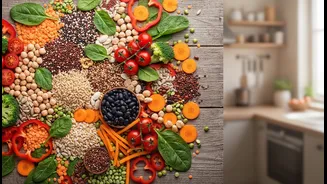


Why Fibre is Your Gut's Best Friend
Dietary fibre is a type of carbohydrate that our bodies cannot digest. It passes through our system largely intact, playing a crucial role in maintaining our health. There are two main types: soluble fibre, which dissolves in water to form a gel-like
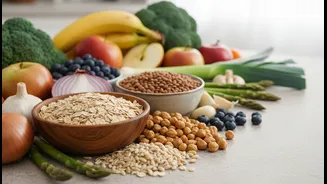
substance, and insoluble fibre, which does not. Soluble fibre, found in oats, beans, and apples, helps lower cholesterol and regulate blood sugar levels. Insoluble fibre, present in whole grains and many vegetables, adds bulk to stool and promotes regular bowel movements, preventing constipation. A high-fibre diet is linked to numerous benefits, including better weight management, improved heart health, and a lower risk of chronic diseases. For many, increasing fibre intake also leads to a feeling of fullness, which can help reduce overall calorie consumption.
The Traditional Thali: A Fibre Powerhouse
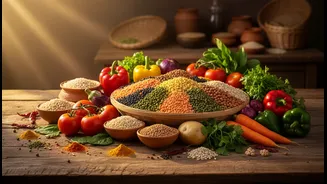
The traditional Indian thali is a masterclass in balanced nutrition, long before the concept was popularised by modern wellness gurus. On paper, Indian food is naturally high in fibre. A typical meal구성 of dal (pulses), sabzi (vegetables), roti (whole-grain flatbread), and rice is designed to be wholesome. The combination of lentils, legumes, grains, and seasonal vegetables ensures a rich supply of both soluble and insoluble fibre. Institutions like the Indian Council of Medical Research (ICMR) have long recommended adequate fibre to help prevent lifestyle diseases. The problem often arises from modern dietary shifts towards refined flours (maida), polished white rice, and smaller portions of dal and vegetables, creating a 'fibre gap' in many urban diets.
Rediscovering India's Whole Grains
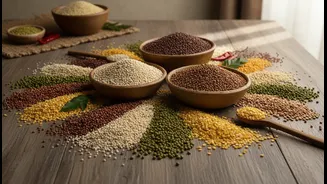
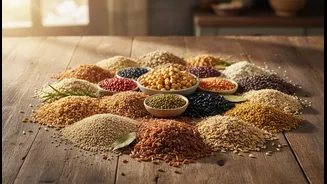
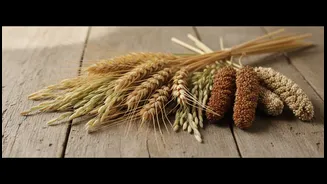
For generations, Indian kitchens used a diverse array of whole grains, but refined wheat and white rice have dominated in recent decades. A fibre reset involves rediscovering millets like jowar (sorghum), bajra (pearl millet), and ragi (finger millet). These ancient grains are nutritional powerhouses, packed with fibre, protein, and essential micronutrients. Millets have a low glycemic index, which helps in managing blood sugar levels, making them an excellent choice for everyone. Simply swapping refined flour rotis for those made with bajra or jowar, or replacing white rice with brown rice or foxtail millet in a khichdi, can significantly boost your daily fibre intake without drastically changing your meals.
Making Pulses and Legumes Central Again
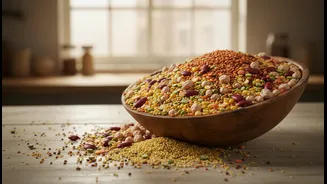
Pulses and legumes are the backbone of Indian vegetarian cuisine and exceptional sources of fibre and plant-based protein. Dals like moong, masoor, and toor, and legumes like chana (chickpeas) and rajma (kidney beans), are incredibly versatile. One cup of cooked rajma can provide around 11 grams of fibre. Including a dal or legume dish with every main meal is a simple principle to follow. Beyond the classic dal tadka, think of adding sprouts to salads, making moong dal cheelas for breakfast, or snacking on roasted chana instead of fried alternatives. This combination of fibre and protein promotes satiety, keeping you feeling full and energised for longer.
Simple Swaps for a High-Fibre Day
Increasing your fibre doesn't require a complete dietary overhaul. Small, consistent changes make the biggest impact. Start your day with vegetable poha or oats upma instead of options made with refined grains. For lunch and dinner, ensure half your plate is filled with vegetables, whether as a sabzi, salad, or raita. Choose whole fruits like guava, apples, and bananas over fruit juices to retain all the natural fibre. When making parathas or baked goods, use whole wheat or multigrain atta instead of maida. Sprinkle flaxseeds or chia seeds on your yogurt or smoothies for an almost unnoticeable fibre boost. Finally, remember to drink plenty of water, as fibre needs hydration to work its magic in your digestive system.