





What Exactly Is Alkaline Clay?
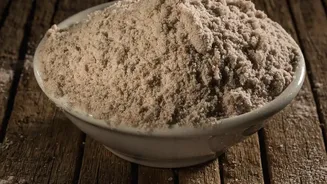
When we talk about alkaline or edible clay, we're typically referring to food-grade bentonite clay. This isn't the stuff from your backyard; it's a specific type of clay derived from aged volcanic ash, named after Fort Benton, Wyoming, where large deposits
are found. For centuries, the practice of eating clay, known as geophagy, has been documented across various cultures for medicinal and nutritional purposes. Food-grade bentonite is carefully processed to ensure it's free from contaminants and heavy metals, making it safe for consumption. It's rich in minerals like calcium, magnesium, silica, and iron. The 'alkaline' quality refers to its pH level, which allows it to help neutralize acidity.
The Simple Chemistry in Your Saucepan
The magic of bentonite clay lies in its unique electrical charge. Scientifically, bentonite clay particles are negatively charged. Many of the things we consider 'toxins', as well as acidic compounds, carry a positive charge. When you introduce the clay into a liquid, it works like a magnet, attracting and binding to these positively charged particles. This process is known as 'adsorption'. In a gravy, this means the clay can latch onto acidic components from ingredients like wine, vinegar, or tomatoes, effectively neutralizing them and creating a more balanced pH in the final dish. When mixing, it's recommended to use non-metal utensils, like wooden or silicone spoons, as the clay can react with metal.
Balancing Flavor and Aiding Digestion
That neutralizing effect does more than just balance the pH; it can also impact the flavor. By reducing harsh acidity, clay can help create a smoother, richer, and less sharp taste profile in your gravy. Beyond taste, proponents claim this balancing act aids digestion. When our system is overly acidic, it can struggle to break down food efficiently. By introducing an alkaline substance, you may help soothe the stomach and reduce issues like acid reflux or indigestion. Some studies and traditional uses suggest clay can bind to toxins and harmful bacteria in the gut, potentially easing digestive discomfort like gas and bloating.
Are Clay-Based Gravies Actually Nutrient-Dense?
The 'nutrient-dense' claim comes from the fact that bentonite clay contains a variety of trace minerals, including calcium, iron, potassium, and magnesium. While you are technically adding these minerals to your gravy, it's important to have realistic expectations. The quantity of minerals absorbed from a spoonful of clay is not a substitute for a well-rounded diet rich in fruits, vegetables, and other whole foods. The primary benefit cited by wellness experts is often its detoxifying action rather than its mineral content alone. Some research suggests clay may even help the gut absorb more nutrients from other foods by promoting a healthy gut flora.
How to Use Clay in Your Gravy
Using clay in your gravy is simpler than it sounds. It also acts as a natural thickener. To avoid clumps, it's best to create a 'slurry' first. Mix about one teaspoon of food-grade bentonite clay with a few tablespoons of cold water or broth in a small, non-metal bowl. Whisk it thoroughly until it forms a smooth, thin paste. Then, slowly pour this slurry into your simmering gravy, whisking constantly until it's fully incorporated and the gravy begins to thicken. You can start with a small amount and add more until you reach your desired consistency. Remember, a little goes a long way.
A Word on Safety and Sourcing
While edible clay has a long history of use, it's crucial to be cautious. The most important rule is to only ever use clay that is explicitly labeled 'food-grade'. Industrial or cosmetic clays can contain heavy metals and other dangerous contaminants. Even with food-grade clay, moderation is key. Consuming too much could potentially lead to constipation or interfere with nutrient absorption. The practice of eating clay is not recommended for everyone, and it's classified as a form of pica (an eating disorder) if it's not part of a cultural practice. There are risks of contamination and potential for negative health effects, which may outweigh the benefits.