





The Protein Puzzle in a Vegetarian Diet
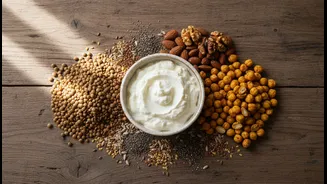
Protein is essential for everything from repairing cells to building muscle and keeping you feeling full. For those on a vegetarian diet, hitting daily protein goals is entirely achievable with sources like dal, paneer, tofu, and legumes. However, many
traditional eating patterns, including in India, tend to be carb-heavy at breakfast and lunch, with the bulk of protein consumed at dinner. While your total daily protein number is important, research suggests this skewed pattern might not be the most effective way to support your body's needs, especially for muscle maintenance and growth.
The Simple Science of Spreading It Out
Think of muscle repair like a construction project that runs all day. Your body uses amino acids from protein as its building blocks. When you eat a protein-rich meal, you trigger something called muscle protein synthesis (MPS)—the process of repairing and building muscle. However, there’s a limit to how much protein your muscles can use for this process at one time. Studies suggest that providing your body with moderate doses of protein (around 20-30 grams) every few hours is more effective at stimulating MPS throughout the day than consuming one very large protein meal. Spreading your intake provides a steady stream of amino acids, keeping the construction crew consistently supplied.
Why This Matters More for Vegetarians
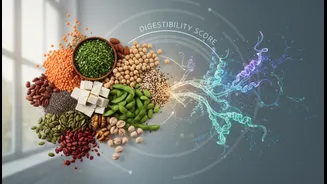
This strategy is particularly beneficial for vegetarians. Plant-based proteins can sometimes have lower digestibility and may be lower in certain essential amino acids, like leucine, which is a key trigger for muscle protein synthesis, when compared to animal proteins. By consuming varied plant protein sources regularly throughout the day, you ensure your body gets a more consistent and complete supply of all the essential amino acids it needs to thrive. Instead of one big protein hit that your body can't fully utilise for muscle building at once, smaller, more frequent meals ensure you're constantly topping up your amino acid pool.
From Theory to Your Thali: A Sample Day
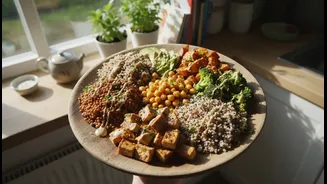
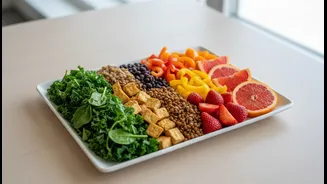
Rethinking your meal timing doesn't require a radical diet overhaul. It's about redistribution. Instead of a light breakfast and a massive dinner, aim for a balanced protein presence in every meal and snack. Here’s what a day could look like for an Indian vegetarian diet: Breakfast: Start strong with two Moong Dal Chillas or a bowl of poha fortified with soya granules and peanuts. A side of curd adds another protein boost. Lunch: Move beyond a simple sabzi and roti. Ensure you have a protein anchor like a bowl of rajma, chana masala, or a generous portion of dal, paired with brown rice or rotis and a side of curd. Afternoon Snack: This is a crucial window. Instead of reaching for biscuits, try a handful of roasted chana, a small bowl of sprouts chaat, or a sattu drink. These snacks provide a protein bridge to your next meal. Dinner: A lighter but still protein-sufficient meal is ideal. Think paneer or tofu bhurji with a small portion of grains, or a hearty bowl of mixed vegetable and dal khichdi.
Simple Swaps for Smarter Protein Intake
Integrating this approach is about making small, sustainable changes. Start by auditing your current meals. Is there a clear protein source on your plate at breakfast, lunch, and dinner? If not, consider these easy swaps: Add a scoop of sattu flour to your regular roti dough. Toss a handful of roasted peanuts or chickpeas into your salads and upma. Choose Greek yogurt or hung curd over regular curd for a higher protein concentration. Keep boiled eggs, roasted makhana, or paneer cubes ready for quick, protein-rich snacks. * Incorporate soya chunks or granules into your vegetable pulao or curries for an easy, affordable protein boost.