
Know Your Delicate Players
Not all vegetables are created equal in terms of shelf life. The key to a successful 'use-first' strategy is quickly identifying the items that will spoil the fastest. These are generally vegetables with high water content, thin skins, or delicate leaves.
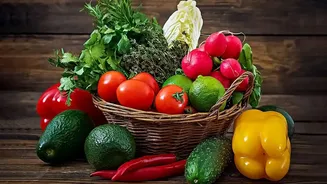
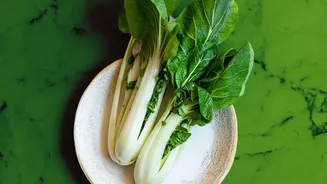
Your primary targets for immediate attention are leafy greens like spinach, coriander (dhania), and fenugreek (methi), along with soft herbs like basil and mint. Other common culprits include mushrooms, which can become slimy; salad greens, which wilt easily; and soft-skinned items like tomatoes, berries, and asparagus. These items are the ticking clocks in your refrigerator. Understanding who they are is the first step in diffusing the situation and preventing the disappointment of discovering a bag of slimy greens at the back of the crisper.
The Art of Produce Triage
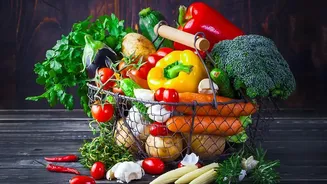
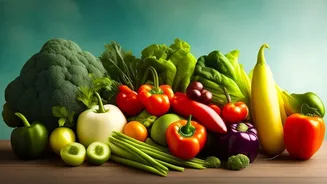
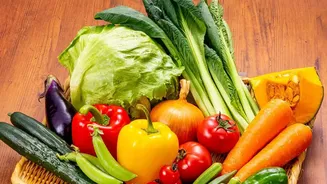
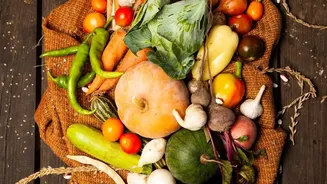
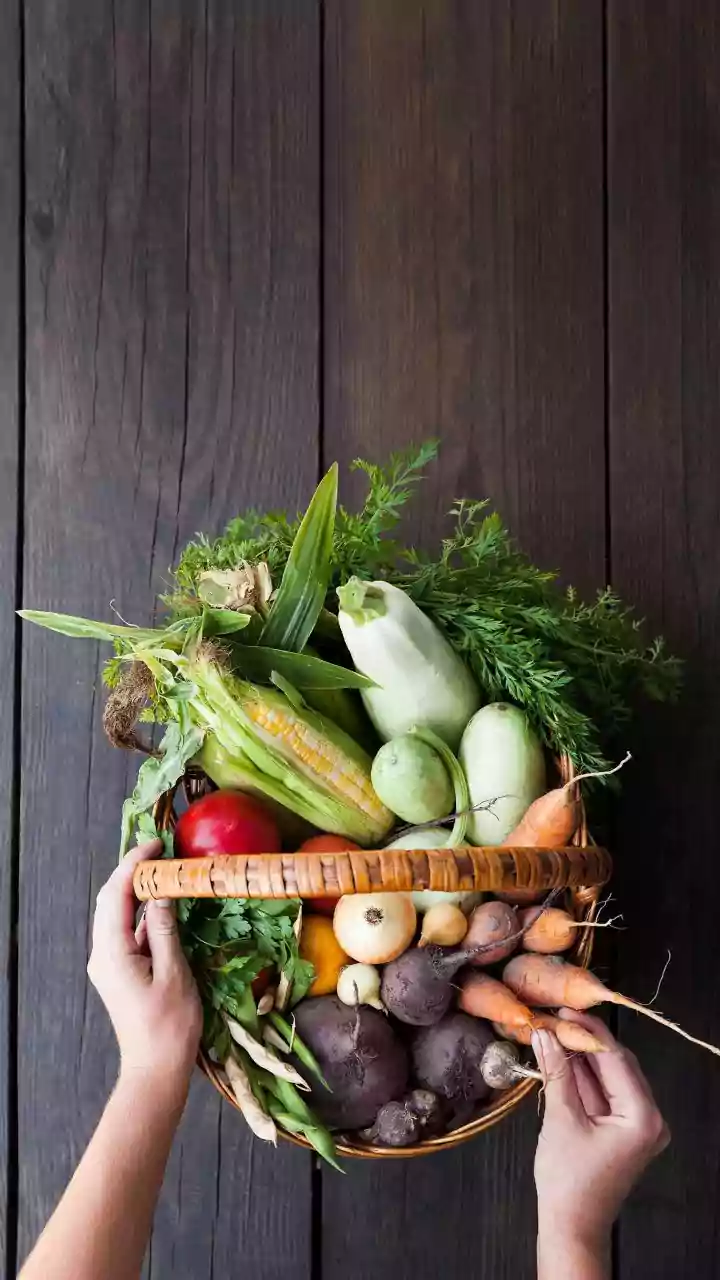
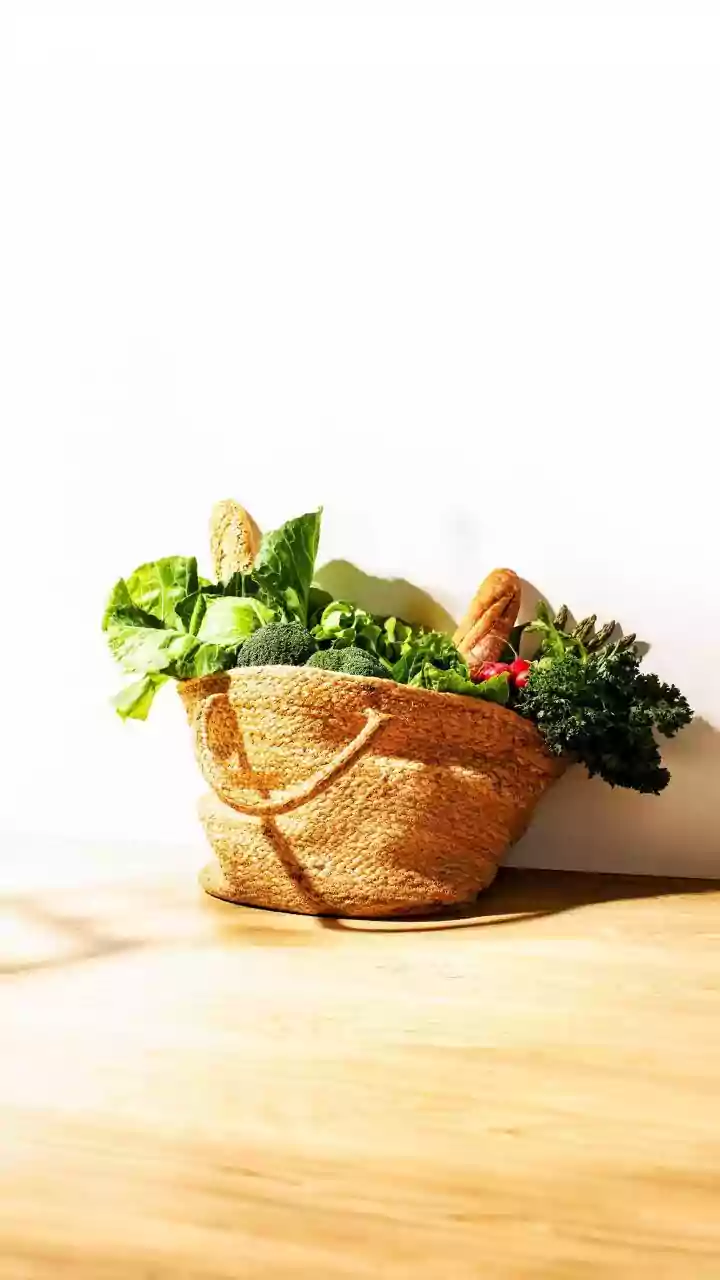
When your produce box or big grocery haul arrives, don't just put everything away. Adopt the mindset of an emergency room doctor and perform triage. This simple, ten-minute habit can transform your kitchen. Sort your vegetables into three distinct categories: 'Use Now,' 'Use Soon,' and 'Sturdy & Stable.' The 'Use Now' pile is for your most delicate items—the leafy greens, fresh herbs, and mushrooms. The 'Use Soon' category can house vegetables like broccoli, bell peppers, and zucchini. The 'Sturdy & Stable' group includes long-lasting heroes like potatoes, onions, carrots, and cabbage that give you breathing room. This sorting process immediately creates a mental map of your week's cooking, ensuring the most vulnerable produce gets used first, preserving the integrity of your entire box.
Strategic Storage for a Longer Life
How you store your vegetables is as important as when you use them. For your 'Use Now' pile, a little extra care goes a long way. Treat soft herbs like a bouquet of flowers: trim the stems and place them in a jar with a little water on your counter or in the fridge. Wrap leafy greens like spinach and lettuce in a slightly damp cloth or paper towel before placing them in a container in the fridge; this prevents them from drying out or becoming too moist. Mushrooms should be stored in a paper bag, not a plastic one, as paper allows them to breathe and prevents them from getting slimy. By giving these delicate items the specific environment they need to thrive, you can often extend their life by several days, buying you precious time.
Plan Your Meals Backwards
A use-first produce box requires a shift in meal planning. Instead of deciding on a recipe and then buying ingredients, you must work backwards from the produce you have. Let your 'Use Now' pile dictate the menu for the next one to two days. That bunch of coriander and mint can be turned into a vibrant chutney or pesto. The slightly wilting spinach is perfect for blending into a dal, a sabzi, or a quick frittata. Think of it as a creative challenge. Having a few go-to 'rescue recipes' is essential for this strategy. Soups, stir-fries, smoothies, and mixed vegetable dishes are your best friends. They are forgiving and can absorb a wide variety of vegetables that are slightly past their prime but still perfectly edible and nutritious.
Embrace the 'Everything is Useful' Mindset
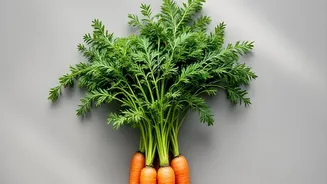
Finally, adopting a use-first mentality means challenging your idea of what constitutes 'waste.' Many parts of vegetables we typically discard are perfectly edible and delicious. Broccoli stems can be peeled and roasted, carrot tops can be made into pesto, and herb stems can be finely chopped and added to soups or sauces for a flavour boost. Even greens that have gone a bit limp can often be revived with a 15-minute soak in a bowl of ice water. This approach not only stretches your budget but also connects you more deeply to your food. It transforms cooking from a simple act of preparation into a mindful practice of resourcefulness, ensuring that the promise held in that beautiful box of produce is fully realised on your plate.