



The General Shelf Life
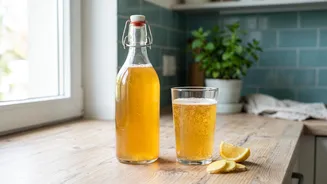
For home-brewed kombucha, the general consensus is that it will last for about one to three months when properly bottled and refrigerated. Unlike commercially produced kombucha, which often has a longer and more predictable shelf life due to controlled
production environments, your homemade version is a living product. Its longevity depends on several factors from your unique brew, including its acidity, sugar content, and the health of your SCOBY. For the best flavour and carbonation, many brewers recommend enjoying it within the first month.
Why Refrigeration is Essential
Refrigeration is the single most important step in preserving your kombucha. The cold temperature significantly slows down the fermentation process. At room temperature, the yeast and bacteria in your brew remain highly active, continuing to consume sugar and produce acids and carbon dioxide. This can lead to an overly sour, vinegary taste and even cause bottles to become dangerously over-carbonated. Storing your bottles in the fridge, ideally below 7°C, puts the culture into a state of near-dormancy, preserving the flavour and fizz you worked so hard to create. The back of the fridge, where the temperature is most stable, is the ideal spot.
How Flavor Changes Over Time
Even in the fridge, your kombucha is not in complete stasis; it continues to ferment, just at a snail's pace. This means the flavour profile will evolve. Over weeks and months, the brew will gradually become less sweet and more acidic, developing a sharper, more vinegary taste. This isn't a sign of spoilage, but rather a natural progression of the fermentation. Some brewers even intentionally age their kombucha for a few months to develop more complex, dry, cider-like flavours. However, after a certain point, it may become too tart for most people to enjoy as a beverage. But don't throw it out—intensely vinegary kombucha makes an excellent base for salad dressings or marinades.
Signs Your Kombucha Has Gone Bad
Because of its high acidity, it's quite difficult for properly brewed kombucha to spoil or grow harmful bacteria. The most significant danger is mold. Mold will appear as fuzzy, dry spots on the surface of the liquid, and can be green, black, blue, or white. If you see any signs of mold, you must discard the entire batch, including the SCOBY. Brown, stringy bits or cloudy sediment are usually just harmless strands of yeast and are perfectly normal. Another red flag is a foul smell. While healthy kombucha has a signature tangy, slightly vinegary aroma, a brew that smells cheesy, rancid, or otherwise off-putting should be thrown away. When in doubt, the safest option is always to discard it.
Best Practices for Maximum Freshness
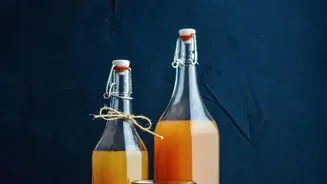
To ensure your home-brew lasts as long as possible, follow a few key storage tips. First, use high-quality, pressure-rated glass bottles with airtight seals. This helps contain the carbonation and prevents oxygen from entering, which can alter the flavour. When bottling, leave about an inch of headspace at the top. Store the bottles upright in the fridge to minimise the surface area exposed to any oxygen in the bottle. Labelling your bottles with the brew date and any flavourings is also a smart habit. This helps you keep track of your inventory and enjoy each bottle at its peak.