






The End of the Paper Chase
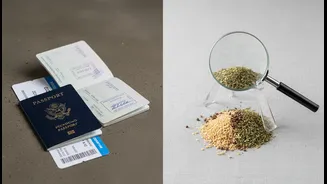
For decades, every traveller arriving in Australia has been required to complete the iconic orange Incoming Passenger Card (IPC). This paper document, usually handed out by cabin crew before landing, required passengers to declare personal details, travel plans,
and any biosecurity risks like food or wooden items. While essential for border control, filling it out after a lengthy flight was a common annoyance for tired travellers and a source of administrative work for border officials. Industry groups have long argued the paper-based process was outdated, especially as other countries moved to digital systems.
Meet the Australia Travel Declaration
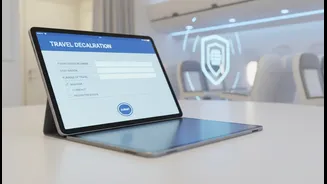
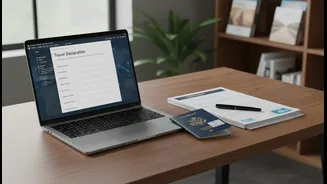
The Australian government is now rolling out a modern replacement called the Australia Travel Declaration (ATD). This new system completely digitises the arrival process, replacing the physical card with an online form. Following a successful trial with over 450,000 Qantas passengers that began in late 2024, the government has announced a nationwide rollout. The A$56.1 million initiative will see the digital system implemented across all Australian international airports and seaports over the next 12 to 18 months.
How It Makes Your Arrival Faster
The headline claim of faster processing is the system’s core benefit. Instead of processing every passenger's information manually upon arrival, the ATD allows border agencies to receive and assess traveller data in advance. By completing the declaration online before you fly, your information is already in the system when you land. Officials say this pre-arrival clearance helps reduce queues, minimise delays, and create a more seamless experience at the airport. Both the Australian Airports Association and the Tourism & Transport Forum have praised the move, noting it will significantly cut down on administrative bottlenecks and improve the overall passenger journey.
How to Use the New System
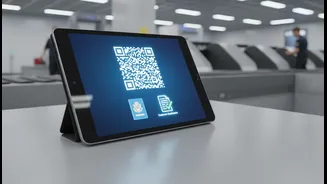
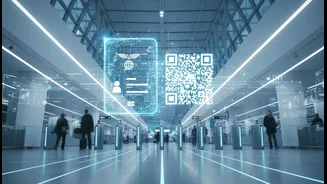
Using the new system is straightforward. Travellers can complete the Australia Travel Declaration online up to 72 hours before their departure. Initially, this will be done through a secure web-based form, with plans to integrate the function directly into airline apps in the future. After submitting the declaration, you receive a digital pass with a unique QR code via email. This code, which can be saved on your phone and accessed offline, is then scanned by Australian Border Force officials upon arrival. For those unable to use the digital option, paper cards will remain available during the transition period.
More Than Just Speed
Beyond convenience and speed, the digital system offers significant security advantages. It provides border officials with higher-quality data for risk assessments. This allows for more effective screening and helps authorities identify and manage potential biosecurity threats, such as undeclared items or emerging disease outbreaks, before they reach the border. Home Affairs Minister Tony Burke and Agriculture Minister Julie Collins have both stressed that the modernisation will strengthen Australia's national and biosecurity protections while making travel easier.
A Border Built for the Future
This is not Australia's first attempt at digitising arrivals; a previous system called the Digital Passenger Declaration was abandoned in 2022. However, this new phased rollout, backed by substantial funding and successful large-scale trials, signals a more robust and permanent shift. The move is also part of a broader strategy to modernise Australia's infrastructure ahead of an expected surge in visitors for the 2032 Brisbane Olympic and Paralympic Games. By bringing its border processing into the digital age, Australia is aligning itself with other major international travel hubs and promising a more welcoming first impression.