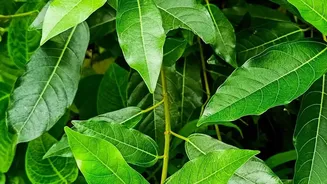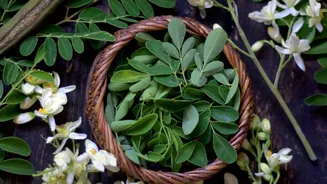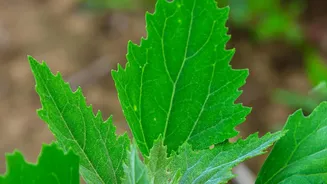





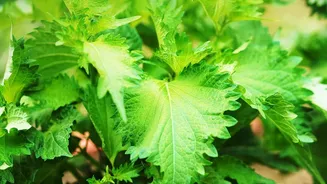

In the forests and fields of Central India lies a treasure trove of nutrition, often overlooked in modern diets. Wild leafy vegetables, a staple for local communities for generations, are packed with compounds that offer significant health benefits.
The Forgotten Foods of the Forest
For
centuries, tribal and rural communities across states like Madhya Pradesh and Chhattisgarh have relied on 'ranbhaji', or wild vegetables, for sustenance. These are not cultivated crops but plants that grow naturally in the wild, gathered according to seasonal availability. Far from being mere 'famine foods', these greens are integral to traditional diets, providing a wealth of nutrients often missing from commercially grown produce. This indigenous knowledge, passed down through generations, highlights a deep understanding of the local ecosystem and its capacity to nourish. Today, as interest in natural and traditional foods grows, these wild vegetables are being rediscovered for their potent health-giving properties.
A Boost for Your Immune System
One of the most significant benefits of these wild greens is their high concentration of antioxidants. Antioxidants are molecules that fight free radicals in the body, which are unstable compounds that can cause cellular damage and inflammation. This process, known as oxidative stress, is linked to chronic diseases and a weakened immune response. Wild vegetables are rich in bioactive compounds like flavonoids and phenolics, which have strong antioxidant properties. Many also contain high levels of Vitamin C and Vitamin A, both of which are crucial for a robust immune system. For instance, Bathua (Chenopodium album) is an excellent source of Vitamin A, with even small amounts providing a major boost to the body's antioxidant activity and immunity. By helping to protect cells and reduce inflammation, these greens support the body's natural defence mechanisms.
Supporting a Healthy Digestive System
Digestive health is another area where these vegetables make a significant contribution. Traditional medicine has long associated many wild plants with improved digestion. Modern science validates this, pointing to their high dietary fibre content. Fibre is essential for preventing constipation, promoting regular bowel movements, and nourishing a healthy gut microbiome. Some wild greens, like Bathua, are known for their laxative properties, which help to cleanse the digestive tract and can relieve issues like constipation. Studies of tribal communities in Central India have noted a high consensus regarding the use of certain wild vegetables for treating digestive disorders. The combination of fibre and anti-inflammatory compounds helps soothe the gastrointestinal system, contributing to overall digestive wellness.
Notable Greens from the Region
Two prominent examples of these powerhouse plants are Bathua (Chenopodium album) and Chaulai (Amaranthus viridis). Bathua, also known as lamb's quarters, is a winter green that is nutritionally superior to many cultivated vegetables. It's an incredible source of protein, potassium, calcium, and iron. Traditionally, it has been used as a blood purifier and to support the liver and spleen. Chaulai, or amaranth greens, are equally impressive. They are loaded with vitamins A, C, and E, as well as minerals like iron and magnesium. The high levels of calcium in green amaranth are particularly notable. Both these vegetables are versatile in the kitchen, often cooked into 'saag', mixed with lentils, or added to 'raita', making them an easy addition to meals.
Embracing Nature's Pharmacy
The health benefits of Central India's wild vegetables extend beyond just antioxidants and fibre. They are a rich source of micronutrients like iron, calcium, zinc, and magnesium, which are vital for everything from bone health to preventing anaemia. By incorporating these plants into their diets, communities have traditionally combated 'hidden hunger'—deficiencies in essential vitamins and minerals. The renewed interest in these plants is not just about nutrition; it's about preserving biodiversity and the traditional knowledge of the communities who have been their custodians. These greens represent a sustainable and natural path to wellness, reminding us that sometimes the most powerful health solutions are found growing freely in nature.