








What Exactly Is Social Fitness?
At its heart, social fitness is any physical activity that involves a community component. Forget slogging away alone on a treadmill with headphones. Think bigger: high-energy group classes where the collective pulse is palpable, running clubs that turn
solitary jogs into shared journeys, or fitness apps that connect you with friends and rivals across the city. It’s the difference between exercising because you have to and working out because you want to be part of something. This trend encompasses everything from branded workouts like CrossFit and F45, with their built-in team environments, to local park yoga, dance classes, and even competitive events like Hyrox that you train for with a partner.
Why Is It Booming Now?
The timing is no coincidence. After a long period of isolation, there's a deep-seated craving for connection. We spent months staring at screens, following YouTube instructors in our living rooms. While convenient, it lacked the motivational spark and accountability that comes from being with other people. Social fitness is the perfect antidote. It merges two fundamental human needs: the desire for self-improvement and the need for belonging. It’s a return to the idea of the ‘village’ – a supportive network that encourages you to show up, push harder, and celebrate milestones together. This shift is less a trend and more a correction, bringing the human element back to health and wellness.
The Science of a Shared Sweat
The benefits aren’t just anecdotal; they're backed by science. Working out in a group can trigger what’s known as the Köhler effect, where you push yourself harder to keep up with the group than you would on your own. Seeing someone next to you power through a tough set makes you less likely to give up. Furthermore, exercising with others can release endorphins not just from the physical activity, but from the social bonding itself, creating a powerful positive feedback loop. This shared experience also makes the effort feel easier and more enjoyable. The accountability factor is huge, too. It’s much harder to skip a 6 AM workout when you know your friend or a whole class is waiting for you.
How the Trend Looks in India
Across India, this trend is exploding. In major cities like Mumbai, Bengaluru, and Delhi, boutique studios offering group-centric workouts like F45, Orangetheory, and specialized HIIT classes are thriving. They offer a potent mix of expert guidance and a tribe-like atmosphere. Beyond the studios, community-led movements are gaining incredible momentum. Running clubs are no longer just for elite marathoners; they’re social hubs for people of all fitness levels. Digital platforms like Cult.fit have masterfully integrated this concept, building a massive community around their group classes, both online and in their state-of-the-art centres. Even apps like Strava have turned solitary cycling and running into a social sport, with leaderboards and kudos creating a virtual camaraderie.
How to Find Your Fitness Tribe
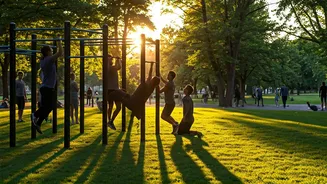
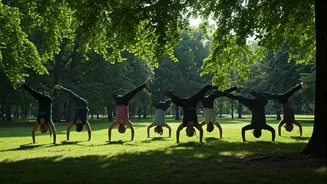
Ready to jump in? The beauty of social fitness is its variety. If you thrive on high energy, try a trial class at a local CrossFit box or a dance fitness studio. If you prefer the outdoors, search for local running or cycling groups on social media platforms—many are free and welcoming to newcomers. Don't underestimate the power of a single 'workout buddy'; asking a friend to join you for regular walks or gym sessions can be the simplest form of social fitness. You can also explore digital communities on apps or forums dedicated to your interests, be it calisthenics, yoga, or weightlifting. The key is to experiment. Try a few different things until you find the activity and, more importantly, the people that make you excited to move. As with any new fitness plan, checking in with a doctor before you start is always a smart move.