




Why the South Pole's Soil Is a Scientific Treasure
India’s Chandrayaan-3 made history by becoming the first mission to soft-land near the lunar south pole, a region that has captivated scientists globally. Unlike the equatorial areas explored by earlier Apollo missions, the south pole is believed to hold
a unique geological record. Its permanently shadowed craters may contain water ice, a resource that could be vital for future lunar bases. Studying this soil on Earth, with advanced laboratory equipment, can offer unparalleled insights into the Moon's origin, the history of the solar system, and the availability of resources. The previous missions from the US, Russia, and China all collected samples from areas with similar geology, making the diverse terrain of the south pole the next frontier for discovery.
Learning from Chandrayaan-3's On-Site Analysis
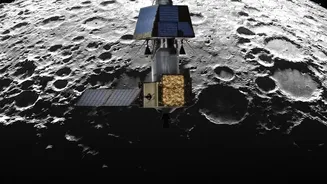
Before bringing samples back, ISRO first mastered the art of studying them on-site. The Pragyan rover from the Chandrayaan-3 mission was equipped with sophisticated instruments to analyze the lunar soil, or regolith, right where it sat. The Alpha Particle X-ray Spectrometer (APXS) determined the elemental composition of the soil, confirming the presence of elements like aluminum, calcium, and iron. More surprisingly, the Laser-Induced Breakdown Spectroscope (LIBS) detected sulphur, an element not previously identified by orbiters in this region. This ability to perform in-situ analysis provides a crucial technological foundation for the more complex task of a sample-return mission.
Introducing Chandrayaan-4: A Multi-Stage Mission
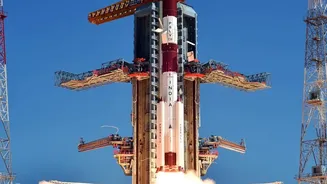
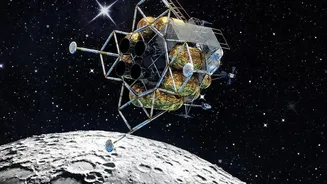
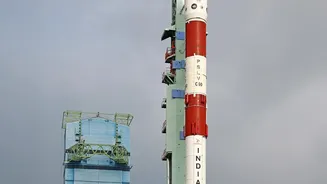
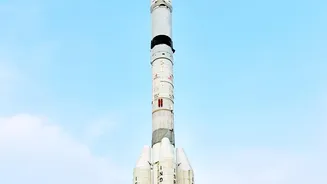
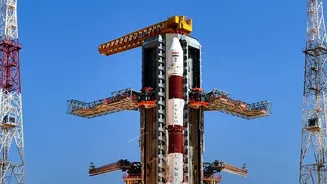
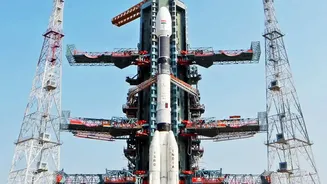
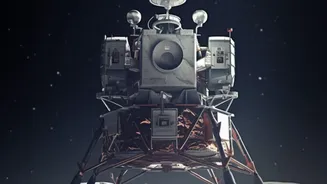
The mission to bring back lunar soil is named Chandrayaan-4. Slated for launch around 2028, it is far more complex than its predecessors and will require two separate rocket launches to get all its components into space. The mission architecture involves five main modules: a Propulsion Module, a Descender Module (the lander), an Ascender Module, a Transfer Module, and a Re-entry Module. This multi-part design is necessary to perform a series of difficult maneuvers, including landing, collecting samples, launching off the Moon, docking in lunar orbit, and returning to Earth.
The Collection Process: Scooping and Drilling
Once the Descender Module lands safely on the lunar surface, the primary task of collection begins. It will deploy a robotic arm designed to scoop up surface soil, aiming to collect approximately 2 to 3 kilograms of lunar regolith. In addition to scooping, the lander will also feature a drilling mechanism to gather subsurface samples. These core samples are scientifically invaluable because they are pristine, having been shielded from the harsh radiation and extreme temperature swings that affect the topsoil. After collection, the soil and rock fragments will be carefully transferred into containers within the Ascender Module and hermetically sealed to prevent any contamination.
The Journey Home: Ascent, Docking, and Re-entry
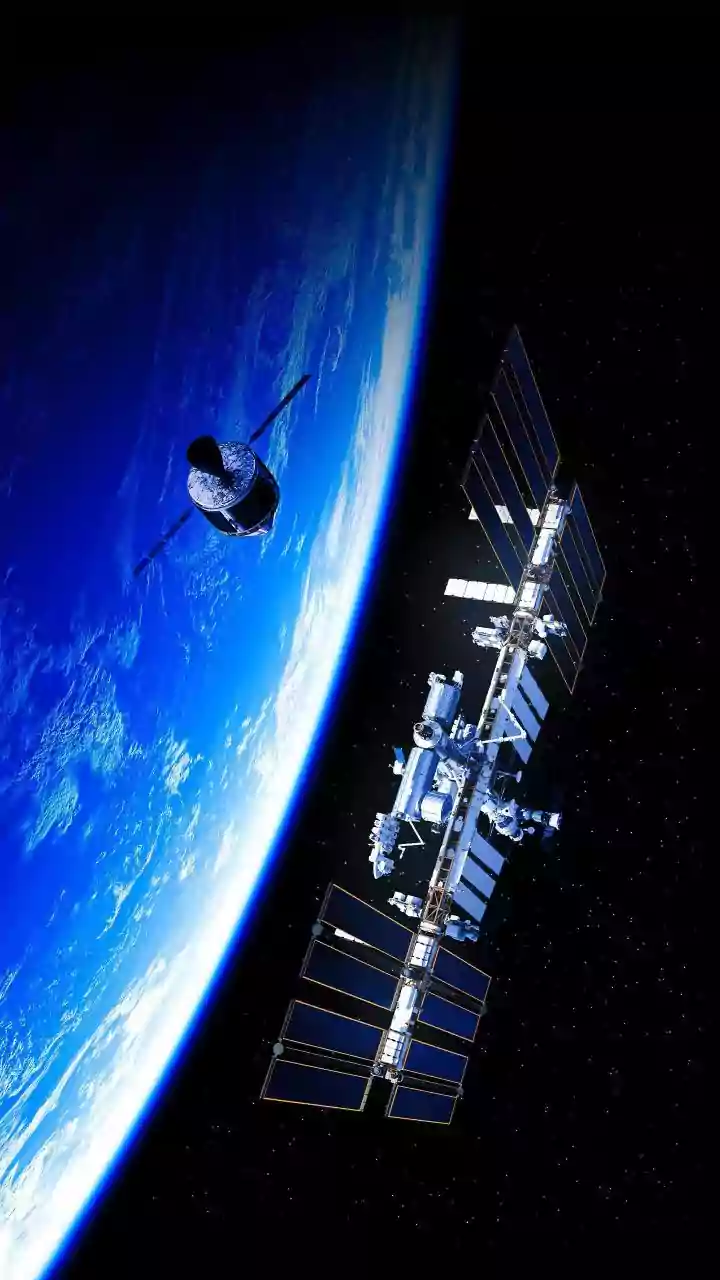
With the precious cargo secured, the Ascender Module will perform a feat ISRO has never attempted before: launching from the lunar surface. It will lift off, leaving the lander behind, and travel into lunar orbit. There, it must perform another critical first for ISRO—docking with the Transfer and Re-entry Modules that have been waiting in orbit. During this orbital rendezvous, the sealed sample containers will be transferred from the Ascender to the Re-entry Module. The Transfer Module will then fire its engines to push the Re-entry Module out of lunar orbit and onto a trajectory back to Earth. The final, fiery phase involves the Re-entry Module separating and plunging through Earth's atmosphere, designed to protect the samples before landing safely on the ground.