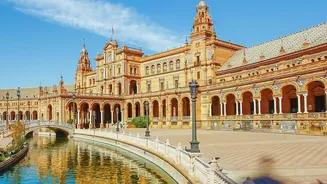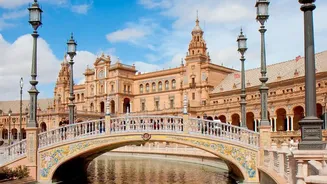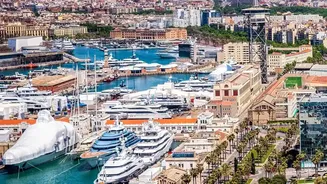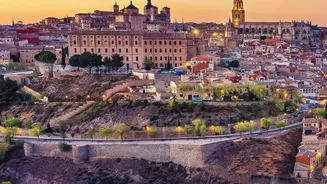




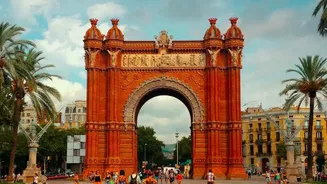
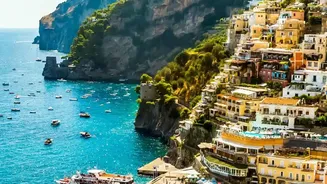
Spain has long been one of the world's most beloved travel destinations. But the country is now a flashpoint for a growing movement against 'overtourism,' as frustrated locals say their cities and islands have reached a breaking point.
A Victim of Its Own Success
Tourism is a pillar
of the Spanish economy, accounting for over 12% of its GDP. In 2024, the country saw a record number of arrivals, with forecasts for 2026 suggesting numbers could approach 100 million visitors for the first time. While economically vital, this sheer volume has pushed public services, infrastructure, and natural resources to their limits. Protests have erupted in major tourist hubs, from the Canary Islands to Barcelona and Malaga, with residents arguing the current model of unlimited growth is unsustainable and damaging to their quality of life.
The Housing Crisis Flashpoint
The most severe impact of overtourism, according to locals, is on housing. The boom in short-term tourist lets on platforms like Airbnb has removed properties from the long-term rental market, causing prices to skyrocket. In Barcelona, for example, rent can consume around 75% of an average single salary, making it impossible for many locals, especially young people, to afford living in their own city. This 'touristification' displaces residents and erodes the social fabric of historic neighbourhoods. Studies have shown a direct link, with one finding that a 10% rise in international tourism can increase Spanish house prices by over 1.3%.
‘The Canaries Have a Limit’
The Canary Islands have become the epicentre of the anti-tourism movement. Under the banner 'Canarias tiene un límite' ('The Canaries have a limit'), tens of thousands have protested against a model they say has led to environmental strain, a housing crisis, and low wages, with some residents forced to live in cars despite being employed. Tourism accounts for about 36% of the islands' GDP, yet a third of the population is at risk of poverty. Protestors are demanding a moratorium on new hotel projects and a tourist tax to protect the environment and local communities.
Cities Fight Back with New Rules
In response to the growing crisis, authorities are starting to act. Barcelona has announced it will not renew any of the city's 10,000 shortterm rental licenses when they expire in November 2028. Malaga has frozen new holiday rental registrations in many districts. Other cities like Seville and Madrid are also implementing caps and restrictions on tourist apartments. The Balearic Islands have been enforcing 'Tourism of Excesses' laws, which ban public drinking and party boats in certain nightlife hotspots. The national government, meanwhile, is promoting a 'Sustainable Tourism Strategy 2030' which aims to shift the focus from quantity to quality.
What This Means for Travellers
Despite the headlines, protesters are clear they are not against tourists, but against the unsustainable model of mass tourism. For travellers, this means navigating a changing landscape. Accommodation may become more expensive and harder to find in popular city centres as shortterm rentals are phased out. However, it also presents an opportunity for more responsible travel. By choosing officially regulated accommodation, supporting local businesses instead of international chains, travelling during the offseason, and exploring lessvisited regions, tourists can help alleviate pressure on the hotspots. Spain's tourism ministry is actively promoting this shift, encouraging visitors to discover cultural sites and natural parks beyond the crowded beaches.