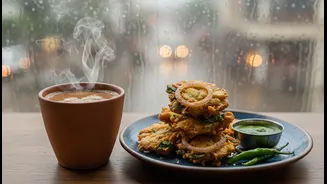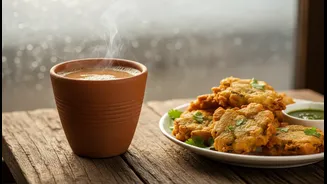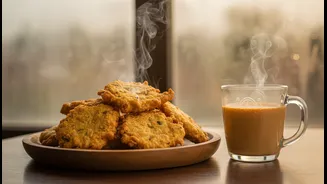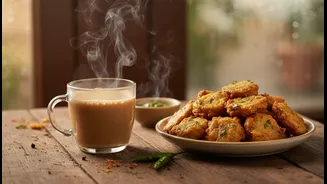







The Science of the Craving
That intense desire for chai and pakoras is not just in your head; it is deeply rooted in your biology. When it rains, the lack of sunlight can cause a dip in serotonin, our natural mood-boosting hormone. Your body, in its wisdom, seeks a quick fix. Carbohydrates
are known to briefly boost serotonin levels, and fried snacks like pakoras are a potent source. These foods trigger the release of dopamine, the brain's "feel-good" chemical, creating a powerful sense of pleasure and reward. This combination of fat, salt, and carbohydrates in pakoras, paired with the often-sugary warmth of chai, creates a highly palatable duo that your brain finds difficult to resist.
A Comforting Psychological Blanket
Beyond brain chemistry, the craving is woven into our emotional fabric. Psychologists explain that we don't just eat with our stomachs; we eat with our memories. For many, the aroma of chai and the sizzle of pakoras are linked to comforting moments: family gatherings, rainy afternoons spent indoors, and shared laughter. This is a classic case of associative learning, where the brain connects the experience of rain with the comfort of this specific food pairing. Over years, this connection becomes so strong that the smell of wet earth can trigger the craving before you even consciously think about food. It becomes less about physical hunger and more about seeking emotional solace and nostalgia.
Claim: Pakoras Are Completely Unhealthy
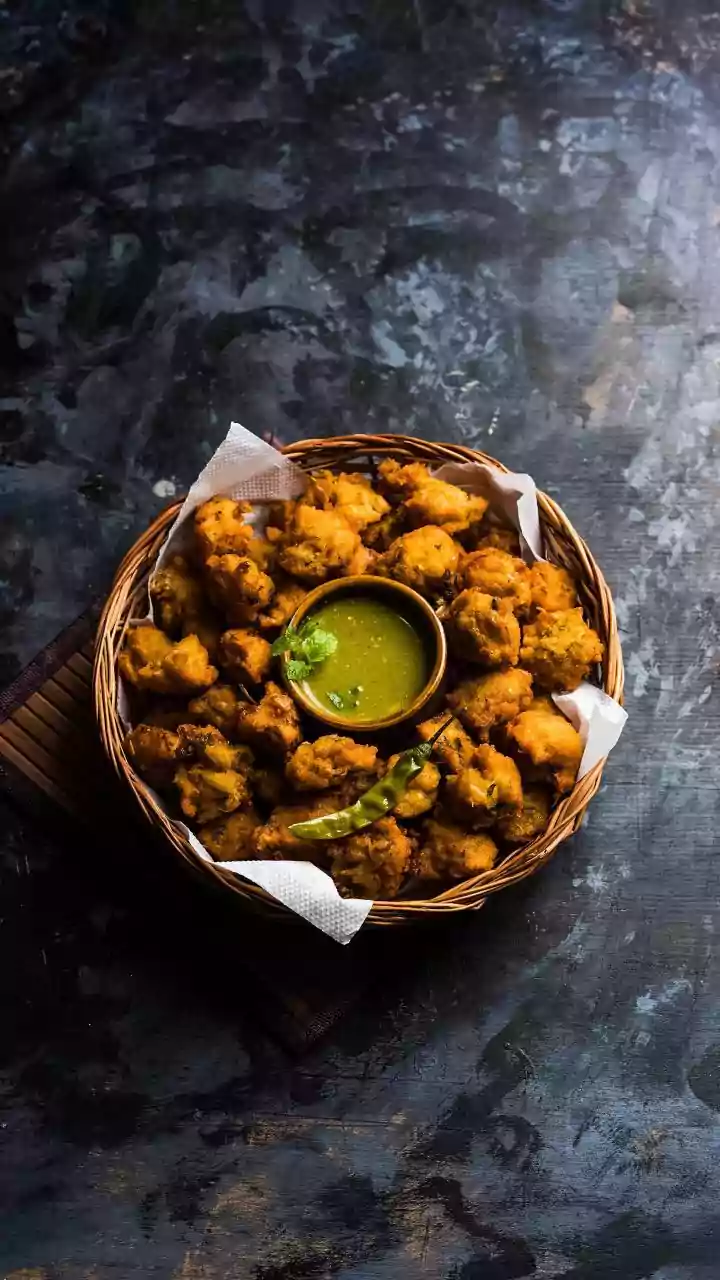
This is one of the strongest and most common claims, and it holds some truth. Pakoras are deep-fried, which means they are high in calories and fat. Overconsumption can contribute to weight gain and high cholesterol. However, the full picture is more nuanced. Pakoras are typically made with gram flour (besan), which is gluten-free and contains more protein and fiber than refined wheat flour. The vegetables inside, like onions or spinach, also provide some vitamins and antioxidants. The claim that they are entirely without merit is an overstatement. The primary health concern comes from the deep-frying process, especially when oil is reused multiple times, which can create harmful compounds.
Claim: Masala Chai Is Just a Sugar Bomb
While many roadside stalls and cafes serve chai loaded with sugar, the drink itself is not inherently unhealthy. A cup of masala chai without sugar has very few calories. The spices that give it its signature flavour—ginger, cardamom, cinnamon, and cloves—are celebrated in Ayurveda and have their own potential health benefits. Ginger is known to aid digestion, while cinnamon may help regulate blood sugar. The notion that chai is just a sugary indulgence is a myth; you have complete control over the amount of sweetener you add. Many people enjoy it with natural alternatives like jaggery or without any sugar at all.
Indulging Without the Guilt
So, how can you honour this cherished tradition without compromising your health goals? The key is mindful indulgence, not complete deprivation. Instead of deep-frying, try baking or air-frying your pakoras at home. This can reduce the calorie and fat content significantly. Pay attention to portion sizes; a few pieces can be just as satisfying as a full plate. When it comes to chai, be conscious of the sugar. Try reducing the amount gradually or switching to a natural sweetener. By making these small adjustments, you can continue to enjoy this beloved monsoon ritual as a satisfying treat rather than a source of dietary stress.