




The Nutritional Power of Tiny Seeds
Flax and chia seeds have gained global recognition as 'superfoods', and for good reason. Both are packed with plant-based protein, dietary fiber, and healthy omega-3 fatty acids. Adding them to your diet can support everything from heart health to digestion.
While both seeds are nutritional powerhouses, they have slightly different profiles. Chia seeds tend to have a higher protein and fiber content per serving, while flax seeds are particularly rich in certain antioxidants called lignans. Together, they offer a simple way to make everyday meals more nourishing without a drastic change in your cooking routine.
Getting to Know Flax Seeds (Alsi)
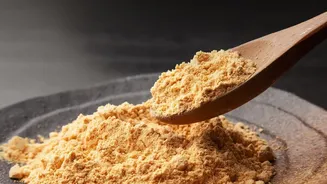
Flax seeds, or 'alsi' as they are commonly known in India, have a mild, nutty flavour. They are a fantastic source of plant-based protein, fiber, and ALA omega-3 fatty acids, which are linked to maintaining healthy cholesterol levels. One of the most important things to know about flax seeds is that they must be ground before consumption. The human body cannot easily break down the hard outer shell of whole flax seeds, meaning the valuable nutrients within would pass through your system undigested. You can buy pre-ground flaxseed meal or simply grind whole seeds at home in a coffee grinder or mixer. Store the ground powder in the fridge to protect its delicate oils from going rancid.
Understanding Chia Seeds
Chia seeds are tiny black or white seeds that are virtually tasteless, making them incredibly versatile. Per serving, they pack more protein and fiber than flax seeds. Chia seeds are also an excellent source of calcium, which is crucial for bone health. A unique property of chia is its ability to absorb liquid and form a gel. This gelling action not only helps in thickening batters but also promotes a feeling of fullness, which can aid in weight management. Unlike flax, chia seeds can be consumed whole, though grinding them can also help improve nutrient absorption.
How to Add Seeds to Your Batters
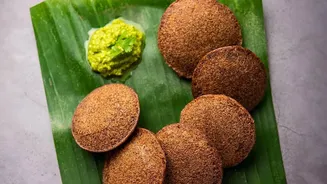
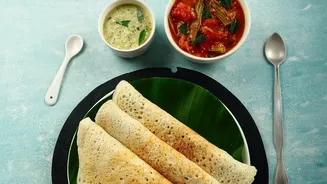
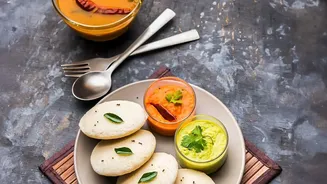
Incorporating these seeds into your favorite batters is remarkably simple. A good rule of thumb is to start with one tablespoon of ground flax or chia seeds for every one cup of batter. You can gradually increase this to two tablespoons as you get accustomed to it. For dosa, cheela, or uttapam batters, you can stir the ground seeds in just before you start cooking. For fermented batters like those for idli, some home cooks prefer to soak the seeds along with the dal and rice before grinding everything together. You can also mix and match, using a combination of both ground flax and chia. Remember to drink plenty of water throughout the day, as the high fiber content of these seeds requires adequate hydration for good digestion.
Will It Change the Taste and Texture?
This is often the biggest concern when altering a traditional recipe. The answer is: only slightly. Flax seeds have a mild, nutty taste that is often unnoticeable in savoury batters like dosa or cheela. Chia seeds are mostly flavourless. When it comes to texture, both seeds can make the final product a little denser and more moist due to their fiber content and water-absorbing properties. Your dosas might be slightly less crisp, and your idlis might be a bit more filling. However, many people find this change pleasant. Some studies note that flaxseed meal can even reduce sour or tart tastes in fermented foods, which could be a benefit depending on your preference.
Beyond Batters: Other Easy Uses
The utility of flax and chia seeds doesn't end with batters. Their versatility makes them an easy addition to many other Indian dishes. You can mix the ground powder into chapati or roti dough, sprinkle it over a bowl of dahi or porridge, or blend it into chutneys and podis. A popular and healthy option is to make a nutritious 'idli podi' by dry roasting the seeds with lentils and spices. This not only adds a protein kick but also enhances the flavour. You can even use a chia gel (chia seeds soaked in water) as an egg substitute in baking cakes and muffins.