



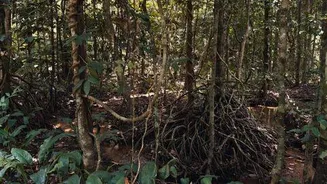
A National First: The Ecosystem Red List
On October 14, 2026, the Kerala State Biodiversity Board (KSBB) initiated India's first-ever state-level Red List Assessment of Ecosystems. Unlike traditional conservation efforts that create 'Red Lists' for endangered animal or plant species, this ambitious
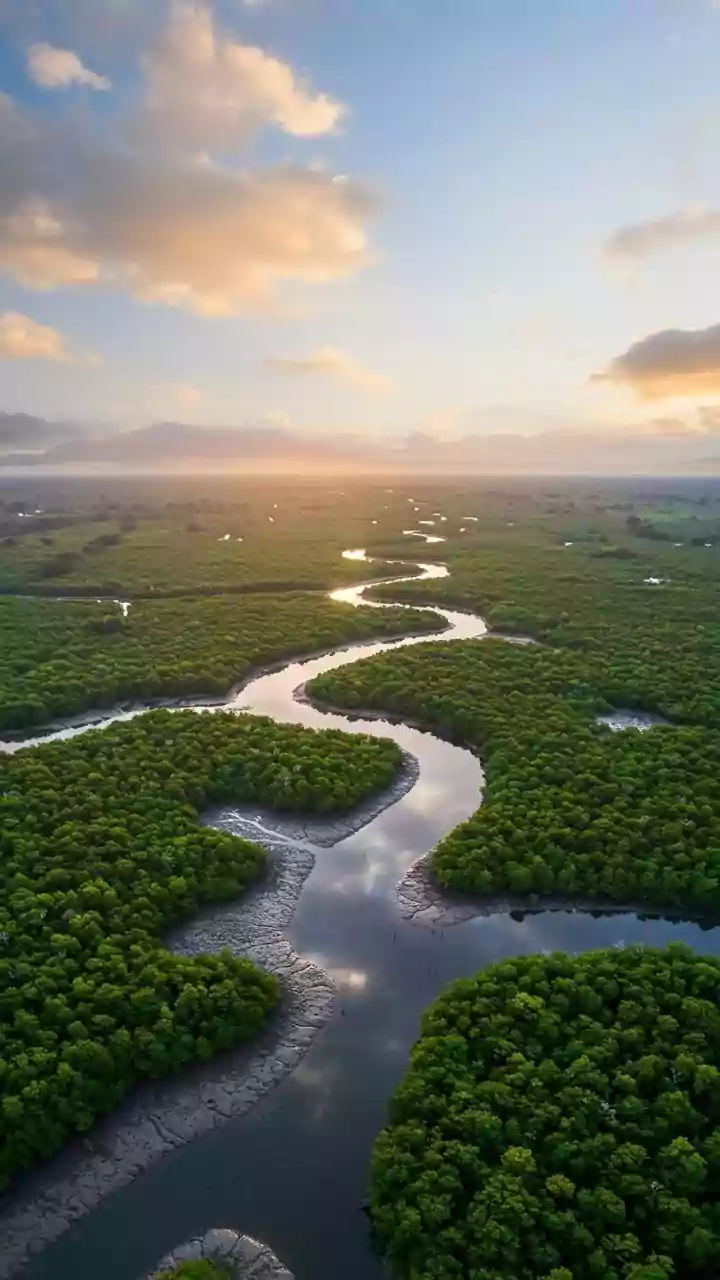
one-year project evaluates the risk of collapse for entire habitats. It will cover all 14 districts of the state, assessing everything from high-altitude grasslands and coastal mangroves to forests and river basins. This initiative applies the globally recognized framework of the IUCN Red List of Ecosystems, which uses standardized criteria to determine the health and vulnerability of different environments. It’s a move away from looking at just the pieces of the puzzle—the individual species—and instead trying to see the entire picture of ecosystem health.
From Species to Systems
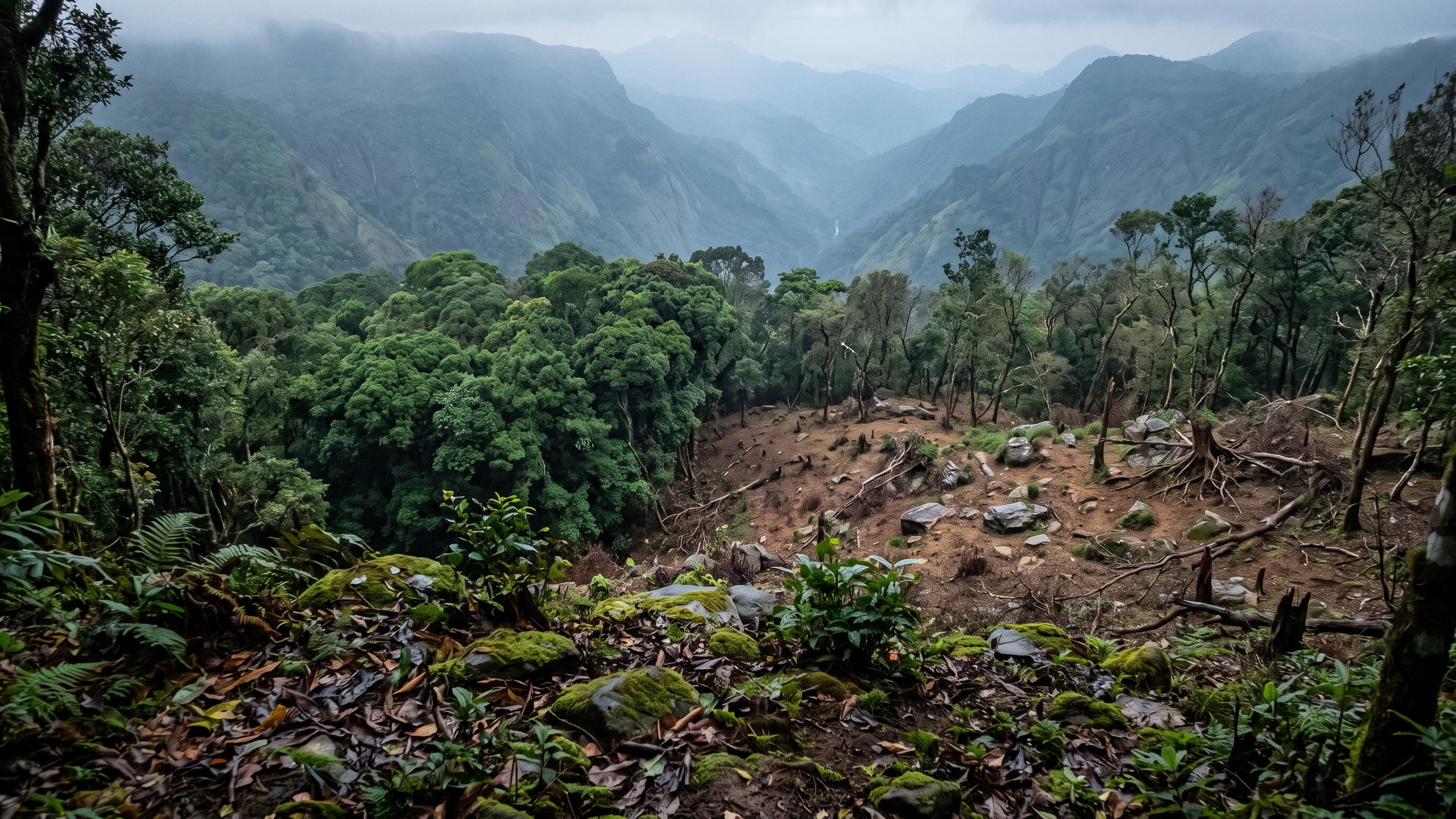
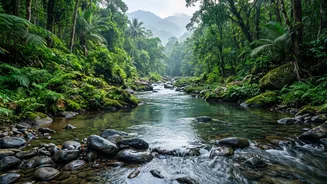
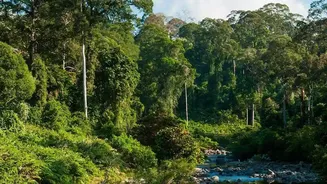
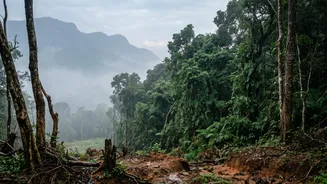
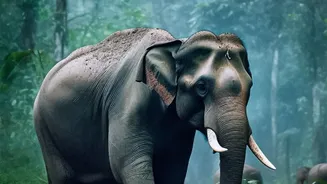
For decades, conservation in India has centered on charismatic species like the tiger or the one-horned rhino. While crucial, this approach can sometimes miss the bigger picture. An ecosystem is a complex web of interactions between plants, animals, and their environment. Protecting a single species is of limited use if its home is disappearing. The new assessment acknowledges this by focusing on 'ecosystem collapse'—the point at which a habitat is so degraded it can no longer support its native life or provide essential services like clean water and air. For instance, the study has already highlighted that tropical riparian evergreen forests in the southern Western Ghats have lost nearly 83% of their original area and face potential collapse within decades. By identifying at-risk systems, the state can intervene before it's too late.
Data-Driven Conservation Planning
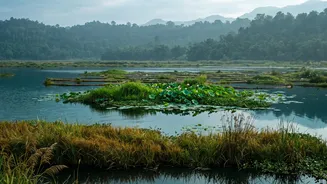
The true milestone of this study is not just the assessment itself, but how the data will be used. The project will produce an 'Ecosystem Risk Register', an 'Ecosystem Typology Atlas', and priority maps for ecological restoration. These are not just academic documents; they are designed to be practical tools for governance. The information will be integrated into state planning portals, making it accessible to local self-governing bodies like panchayats and Biodiversity Management Committees (BMCs). This decentralized approach empowers local communities, who are on the front lines of conservation, to make informed decisions about land use, restoration projects, and development. It provides the scientific backing needed to argue for protecting a vital wetland or restoring a fragmented forest corridor.
Why This Matters for India
Kerala's initiative provides a powerful template for the rest of the country. Many of India's most precious natural landscapes, from the Himalayas to the coastal plains, face similar pressures of degradation and fragmentation. The Red List of Ecosystems offers a more holistic and scientifically robust method for identifying and protecting these areas. It moves conservation from a reactive, crisis-driven model to a proactive, data-informed strategy. By understanding which ecosystems are most vulnerable, policymakers can allocate resources more effectively and design nature-based solutions to challenges like floods, landslides, and climate change. It helps answer the complex question of how to balance development with environmental protection—a debate that is currently playing out across the Western Ghats states.
A New Chapter for the Western Ghats
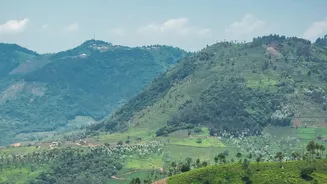
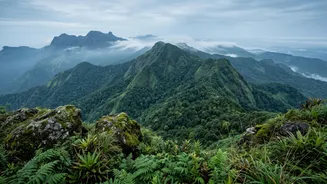
The Western Ghats, a UNESCO World Heritage site and global biodiversity hotspot, is the backdrop for this pioneering work. The region has long been at the center of a tug-of-war between conservation and development, with years of debate over the extent of Ecologically Sensitive Areas (ESAs). Kerala has been advocating for a nuanced approach that excludes inhabited areas from strict regulations while protecting vital forest land. The Ecosystem Red List provides the granular, scientific detail needed to support such a claim. It can precisely map which specific parts of a village are ecologically critical and which are not, moving beyond broad-stroke administrative boundaries. This allows for smarter, more targeted conservation that protects livelihoods while safeguarding irreplaceable natural heritage.