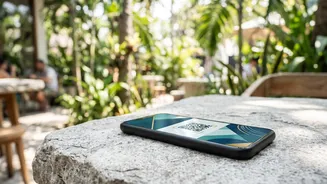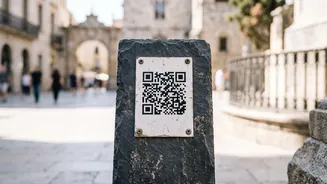








Indonesia’s embrace of the QRIS payment system offers amazing convenience for travellers. But this digital ease comes with a warning: scammers are getting creative, and tourists are prime targets for fraud. Here’s what you need to know.
Understanding the QRIS Revolution
If you're travelling
through Indonesia, you'll see QRIS codes everywhere—from bustling Jakarta cafes to beachside warungs in Bali. QRIS, which stands for Quick Response Code Indonesian Standard, is a unified payment system launched by Bank Indonesia. It allows you to pay merchants using dozens of different digital wallet or banking apps, all by scanning a single, standardized QR code. This innovation has made cashless transactions seamless across the country, with over 32 million registered merchants. For tourists, it means less fumbling for cash and the convenience of paying with your phone, an especially useful feature in a country with high adoption of digital payments.
How the QR Code Scam Works
The primary scam targeting travelers is deceptively simple and often called 'quishing' (QR code phishing). Fraudsters print their own QR code stickers and place them over the legitimate ones at shops, restaurants, or even donation boxes at places of worship. When an unsuspecting customer scans the fake code, they are directed to make a payment not to the merchant, but to the scammer’s personal account. In other cases, the QR code might lead to a malicious website designed to steal your personal banking information or install malware on your device. Because the fraudulent stickers can look very convincing, it’s a crime that relies on travelers being distracted or in a hurry.
Five Essential Safety Checks Before You Pay
Staying safe is about being vigilant. Cybersecurity experts and Bank Indonesia recommend a few simple but crucial habits to adopt before you approve any QRIS transaction. First, physically inspect the QR code. Does it look like a sticker pasted on top of another one? If it seems tampered with, avoid it. Second, when you scan the code, your payment app will show the merchant’s name. Pause and confirm that this name matches the shop you are in. If you're at 'Warung Budi', the recipient should not be a random personal name. Third, only scan QRIS codes using official payment or banking apps, not your phone’s camera app, as they have built-in security features. Fourth, never enter personal information like passwords or PINs after scanning a code; a legitimate QRIS payment will never ask for this. Finally, always keep transaction notifications enabled on your app to spot any unauthorized payments immediately.
What to Do If You Suspect Fraud
If you complete a payment and realize something is wrong—perhaps the merchant didn't receive the money or the recipient name looked suspicious after the fact—you need to act quickly. First, immediately contact your bank or the e-wallet provider you used for the transaction. Report the payment as fraudulent and ask them to block or investigate it. They will guide you through their specific dispute resolution process. It is also wise to inform the merchant about the fake QR code so they can remove it and prevent others from falling victim. In cases of significant financial loss, reporting the incident to the local police may also be a necessary step. The sooner you report it, the higher the chance of potentially recovering the funds.
General Cybersecurity Tips for Travelers
Beyond QR code scams, general digital hygiene is crucial while traveling. Cybersecurity firm Kaspersky warns that tourists are often targeted because they are using unfamiliar networks and services. Always book flights and hotels directly through official websites or reputable apps, not through suspicious links in emails. Be extremely cautious when using public Wi_Fi for financial transactions; using a VPN can add a much_needed layer of security. Furthermore, use strong, unique passwords for your travel_related accounts and enable multi_factor authentication whenever possible. By taking these precautions, you can protect your financial information and focus on enjoying your trip.