






The Art of Travel Stacking
The secret to cheaper regional travel isn't about finding one magical, low-cost option. Instead, it’s about 'travel stacking' — strategically combining different modes of public transport in a single journey. This approach, also known as multimodal transport,
leverages the strengths of each system. You use high-capacity, low-cost services like trains or metros for the long haul and supplement them with other options for the beginning and end of your trip. While a direct cab might seem convenient, it's often the most expensive way to cover distances of 50-150 km. By mixing and matching, you trade a little bit of planning for substantial savings.
Planning Your Multimodal Journey
A successful stacked journey begins with a good plan. Thankfully, you don’t have to figure it out with a paper map. A host of apps can help you visualise the entire route. Apps like Google Maps, Citymapper, and Moovit can show you various combinations of metro, bus, and train routes, complete with estimated travel times and costs. For longer regional trips, platforms like Rome2Rio display all possible travel combinations, helping you see how a flight-plus-train or bus-plus-metro journey might work. By comparing these options, you can identify the most cost-effective and time-efficient sequence for your specific trip.
Mastering the First and Last Mile
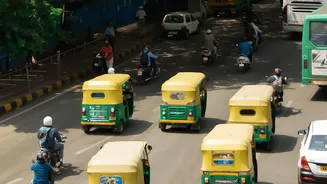
One of the biggest hidden costs of public transport is getting to and from the main station. This 'first and last mile' can sometimes cost more than the main leg of the journey itself if you rely on private cabs. The key is to use cheaper, localised transport. Shared auto-rickshaws, e-rickshaws, and feeder bus services are designed specifically for this purpose. These options are often a fraction of the cost of a solo ride. Planning this connection is crucial; check if your local metro station has a feeder bus route or a designated stand for shared autos. This small step ensures your savings on the main journey aren't erased at the very end.
Leverage the Power of Rail and Metro
For the longest part of your regional trip, trains and metros are your best friends. Indian Railways and the expanding metro networks in major cities offer the cheapest way to travel medium to long distances. For example, a journey on a local or intercity train can be dramatically cheaper than covering the same distance by road. The strategy is to get onto this high-capacity network as quickly as possible and stay on it for the bulk of your journey. This is the 'trunk route' of your trip, and optimising it for cost by choosing rail or metro is the foundation of an affordable multimodal journey.
Embrace the Smart Card Advantage
To make switching between different transport modes even smoother and cheaper, unified payment systems are a game-changer. The 'One Nation, One Card' initiative introduced the National Common Mobility Card (NCMC), which is designed to work across metro, bus, and even for some retail payments. Using an NCMC or a city-specific metro card often comes with fare discounts of 10-20% and eliminates the hassle of buying separate tickets for each leg of your journey. This not only saves you money but also precious time, making the entire experience faster and more convenient. Many banks now issue debit cards with NCMC functionality.
A Real-World Example
Consider a trip from Noida to Gurugram, a common regional commute in the National Capital Region. A direct cab could cost anywhere from ₹1,000 to ₹1,500, depending on traffic and time of day. Now, let’s apply travel stacking. You could take an e-rickshaw to the nearest Noida metro station (approx. ₹30), travel via the metro network to Gurugram (approx. ₹60), and then take a shared auto to your final destination (approx. ₹50). The total cost would be around ₹140. While it might take a bit longer, the savings are over 85%. This example clearly illustrates how a little planning and a willingness to combine transport options can lead to massive cost reductions for everyday regional trips.