






What is Kanji?
Kanji is a traditional fermented beverage popular in North India, especially during the winter months and the festival of Holi. Often made with black carrots (kali gajar), beetroot, water, and spices, it’s known for its distinctive tangy and pungent flavour.
The magic of Kanji lies in its fermentation process, which is kicked off by mustard seeds. This ancient drink is not just a flavourful refreshment; it's a powerhouse of probiotics, the beneficial bacteria that are crucial for a healthy digestive system. Long before kombucha became a global trend, households in India were preparing this desi super-drink to aid digestion and boost immunity.
The Probiotic Powerhouse on Your Countertop
The primary health benefit of Kanji is its rich probiotic content. The natural fermentation process cultivates live microorganisms, particularly Lactobacillus bacteria, which are excellent for gut health. A healthy gut microbiome is linked to improved digestion, reduced bloating, and better nutrient absorption. Unlike many dairy-based probiotic options like yogurt or chaas, Kanji is entirely plant-based and vegan, making it an excellent choice for those with lactose intolerance. Beyond digestion, the ingredients in Kanji offer their own set of benefits. Black carrots are rich in anthocyanins, powerful antioxidants that can help fight inflammation and may protect against chronic diseases. This makes a daily glass of Kanji not just a treat for your taste buds, but a boost for your overall wellness.
Your Ingredient Checklist
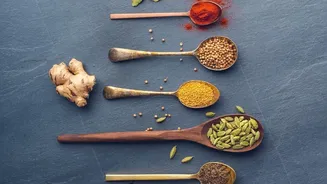
Making Kanji at home is surprisingly simple and requires only a few core ingredients. You will need a large, clean glass or ceramic jar for fermentation, as metal can react with the fermenting liquid. Here’s what to gather: Carrots: 4-5 medium black carrots are traditional for their deep purple colour and nutritional profile. If you can't find them, red carrots or a combination of carrots and a small beetroot will also work. Water: About 8 cups of filtered water. It’s best to boil the water and let it cool completely to ensure there are no impurities that could interfere with fermentation. Mustard Seeds: 2 tablespoons of black or yellow mustard seeds (rai). They must be coarsely ground to release their compounds, which drive the fermentation and add the signature pungent flavour. Spices & Salt: 1 tablespoon of red chilli powder (adjust to your spice preference), 1.5 teaspoons of black salt (kala namak), and 1 teaspoon of regular salt. Some recipes also include a pinch of asafoetida (heeng) for flavour.
Step-by-Step Guide to Making Kanji
Once you have your ingredients and a clean jar, you're just a few steps away from making delicious, fermented Kanji. 1. Prepare the Vegetables: Thoroughly wash and peel the carrots. Cut them into thick sticks, similar in size to french fries. If you're using beetroot, do the same. Uniform cuts help with even fermentation. 2. Grind the Mustard: Using a mortar and pestle or a small grinder, coarsely crush the mustard seeds. Avoid making a fine powder; a rough, cracked texture is ideal for releasing the oils slowly. 3. Combine Everything: Place the carrot and beet sticks into your large glass jar. Pour in the completely cooled boiled water. Add the ground mustard, red chilli powder, black salt, and regular salt. Stir everything thoroughly with a clean wooden or non-metallic spoon. 4. Let the Fermentation Begin: Cover the mouth of the jar with a clean muslin cloth or a loose-fitting lid to allow gases to escape. Place the jar in a sunny spot, like a windowsill, for 3 to 5 days. The warmth from the sun will encourage the natural fermentation process.
Patience, Storage, and Serving
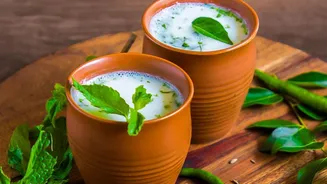
During the fermentation period, stir the mixture once daily with a clean, dry spoon. You may see some bubbles or foam forming, which is a good sign that the probiotics are getting to work. Start tasting the Kanji after day three. It's ready when it has a pleasant tangy, slightly sour, and aromatic flavour. The fermentation time can vary depending on the temperature and amount of sunlight. Once it has reached your desired level of tanginess, strain the liquid into clean glass bottles and store it in the refrigerator. It will stay fresh for up to a week. The pickled carrot and beetroot sticks can be enjoyed as a side dish. Serve the Kanji chilled, perhaps garnished with fresh mint leaves or a few savoury boondis for a delightful daily health drink.