








Why Last-Minute Gulping Fails
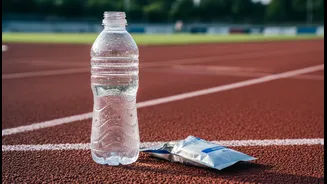
Chugging a large amount of water right before exercise might seem like a quick fix, but your body simply can't process it that fast. Instead of hydrating your muscles, the excess liquid often just sits in your stomach, leading to uncomfortable sloshing,
bloating, and a distracting need for bathroom breaks. More seriously, rapidly drinking excessive amounts of plain water can dilute the sodium levels in your blood. This can lead to a dangerous condition called hyponatremia, with symptoms ranging from nausea and headaches to confusion and muscle spasms. Your kidneys can only excrete so much fluid at once, and overwhelming them does more harm than good for your workout.
The Power of All-Day Hydration
Optimal performance begins long before you start your warm-up. When you maintain good hydration throughout the day, your body is always ready to perform. Being properly hydrated helps regulate your body temperature, lubricates your joints, and aids in transporting essential nutrients to your muscles to keep them firing efficiently. Research shows that losing even just 2% of your body weight in fluid can significantly impair both endurance and strength performance. Staying hydrated also supports cognitive function, keeping you focused and coordinated during your routine. Think of it as keeping your body's fuel tank consistently topped up, rather than trying to fill it from empty at the last second.
Your Daily Hydration Blueprint
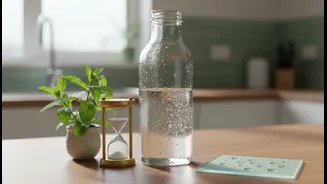
So how much is enough? For adults in India, general recommendations often suggest around 2.5 to 3.7 litres of total fluid per day, depending on factors like climate, activity level, and body weight. The Indian Council of Medical Research (ICMR) suggests a baseline of about 2 litres (or 8 glasses) daily, which should be increased in hot weather or with exercise. Don't rely on thirst alone; by the time you feel thirsty, you are often already mildly dehydrated. The key is consistency. Sip water steadily throughout the day. Carrying a reusable bottle can serve as a great visual reminder. Aim to drink a glass upon waking to rehydrate after a night's sleep and continue sipping every hour or so.
Perfecting Your Pre-Workout Timing
Even with great daily habits, a final top-up is beneficial. The American Council on Exercise recommends drinking about 500-600 ml of fluid two to three hours before your workout. This gives your body time to absorb what it needs and flush out any excess. Then, about 20-30 minutes before you start, drink another 250 ml. This ensures your muscles are primed without leaving you feeling waterlogged. During your workout, continue to sip small amounts every 15-20 minutes to replace fluids lost through sweat.
Beyond Water: The Role of Electrolytes
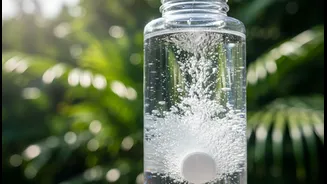
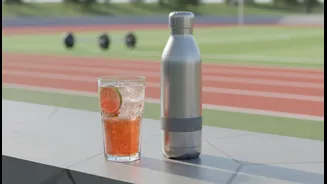
For workouts lasting over 60-90 minutes or those performed in intense heat, water alone might not be enough. When you sweat, you lose essential minerals called electrolytes, such as sodium, potassium, and magnesium. These minerals are crucial for maintaining fluid balance, nerve function, and muscle contractions. An electrolyte imbalance can lead to cramps, fatigue, and decreased performance. In these situations, consuming a sports drink or an electrolyte supplement before or during your session can help replenish what's lost and maintain your energy.
The Simplest Hydration Check
Unsure if you're hitting your hydration goals? There's a simple, reliable indicator: your urine color. Ideally, your urine should be a pale, lemonade-like yellow. If it's dark yellow or has a strong smell, it's a clear sign you need to increase your fluid intake. If it's completely clear, you might be over-hydrating, so you can ease up slightly. Monitoring this throughout the day is an easy way to stay in tune with your body's needs.