





The Slump Earlier in 2026
The first nine months of 2026 were tough for India's gold market. The World Gold Council (WGC) reported a significant year-on-year decline in demand, projecting that total consumption for the year could fall to a six-year low of around 650 metric tonnes.
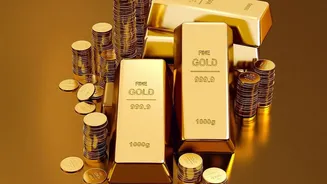
In the September quarter alone, overall demand dropped by 29%, with jewellery purchases falling 20% and investment demand for bars and coins plummeting by 40%. The primary culprit was affordability. Record-high domestic gold prices, which surged early in the year, forced many potential buyers to postpone their purchases. This price pressure was compounded by a weak monsoon, which dampened incomes in rural India, a region that traditionally accounts for over half of the country's gold consumption. Consequently, while many people still spent money on gold, they were taking home less metal for their money.
A Festive Season Revival
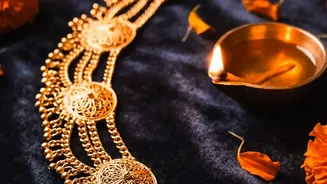
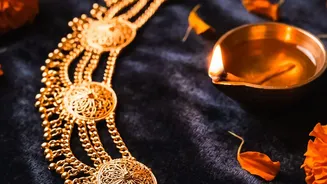
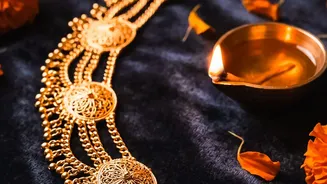
The narrative shifted dramatically with the arrival of the festive season, particularly Dussehra and Diwali. A timely correction in gold prices from their January peaks provided a crucial incentive for consumers who had been waiting on the sidelines. During the Dhanteras-Diwali period, the India Bullion and Jewellers Association (IBJA) estimated that gold demand rose by as much as 30% in volume terms compared to the same period last year. Jewellers across the country reported a significant increase in footfall and brisk sales, with industry bodies estimating that sales by value rose between 15% and 20%. While the total volume of gold sold may have been roughly flat compared to last year due to higher prevailing prices, the surge in spending signaled a clear recovery in consumer sentiment.
Price, Sentiment, and Shifting Habits
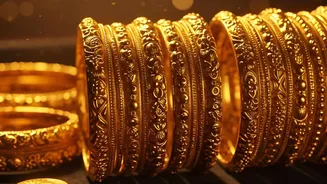
The festive recovery was driven by a confluence of factors. The most significant was the price drop from record highs, which made gold feel more accessible to buyers. This encouraged 'pent-up demand' as those who had delayed purchases finally entered the market. Jewellers also adapted their strategies to the high-price environment. There was a noticeable trend towards customers buying lightweight jewellery, pieces with 14-carat or 18-carat purity, and smaller-denomination coins. This allowed households to uphold the tradition of buying gold during auspicious occasions without straining their budgets. Furthermore, the upcoming wedding season, which kicks off in mid-November, prompted many families to make their jewellery purchases in advance, adding momentum to the festive sales.
The Road Ahead for the Gold Market
While the festive season brought much-needed cheer, the outlook for India's gold market remains cautiously optimistic. Experts believe that wedding season demand will continue to support the market, provided that prices remain stable and do not see another sharp surge. However, the underlying challenges that caused the earlier slump have not entirely disappeared. Weakness in the rural economy could still limit the strength of the recovery, and consumer behaviour remains highly sensitive to price volatility. The market has demonstrated its resilience, with consumers adapting by choosing lighter pieces or exchanging old gold. This indicates that while affordability is a key factor, India's deep-rooted cultural affinity for gold continues to be the ultimate driver of demand, ensuring its place as a cornerstone of both celebration and savings.