




The Philosophy of Fasting Food
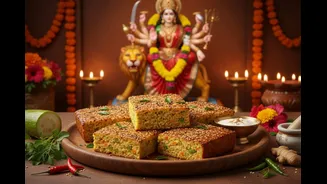
Navratri fasting is a practice of discipline and purification, and the food consumed reflects this. The emphasis is on light, natural, and energy-giving meals that keep the body feeling good and the mind calm for prayer. Common grains like wheat and rice
are avoided, along with onions, garlic, lentils, and regular table salt. Instead, the vrat-friendly pantry features ingredients like buckwheat flour (kuttu ka atta), water chestnut flour (singhara atta), barnyard millet (samak rice), and tapioca pearls (sabudana). Fruits, nuts, dairy products, and certain vegetables like potatoes and pumpkin form the backbone of the diet, seasoned with rock salt (sendha namak). These dishes prove that fasting can be a flavourful and fulfilling experience.
Perfectly Fluffy Sabudana Khichdi
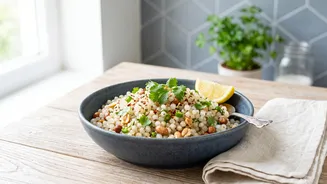
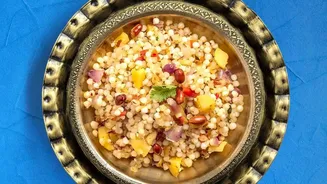
Sabudana Khichdi is a beloved fasting staple, known for providing sustained energy. The key to a perfect, non-sticky khichdi lies in the preparation. First, rinse one cup of sabudana under cold water until the water runs clear to remove excess starch. Then, soak the pearls in just enough water to cover them (a 1:1 ratio is ideal) for at least 4-6 hours or overnight. The pearls should be soft enough to mash easily between your fingers. Before cooking, drain any excess water completely. To make the khichdi, heat ghee in a pan and temper with cumin seeds, green chillies, and curry leaves. Add boiled and cubed potatoes and sauté for a minute. Then, add the soaked sabudana, coarsely crushed roasted peanuts, and rock salt. Cook on a medium flame for just a few minutes until the pearls turn translucent, stirring gently to avoid clumping. Overcooking can make them chewy and sticky. Finish with a squeeze of lemon juice and freshly chopped coriander. The lemon juice helps separate any pearls that have stuck together.
Crispy Kuttu ki Puri
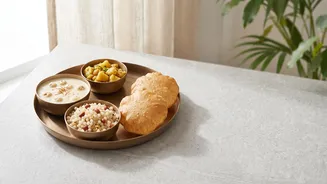
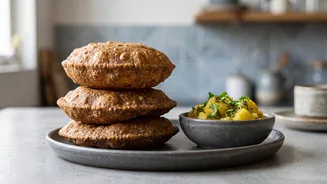
Kuttu ki Puri, a crispy, deep-fried bread made from buckwheat flour, is a festive treat. Despite its name, buckwheat is not a type of wheat but a gluten-free seed, making these puris easier to digest. It's rich in protein, fibre, and minerals like magnesium. To prepare the dough, you can either use boiled, mashed potatoes as a binding agent or use hot water to gelatinise the flour. For the hot water method, bring one cup of water with a pinch of rock salt to a boil. Turn off the heat and immediately add two cups of kuttu atta, mixing with a spatula. Cover and let it rest for a few minutes. Once it cools down, knead it into a smooth, firm dough. Divide the dough into small balls. Since the dough is gluten-free, it can be tricky to roll. You can either press the balls between oiled parchment paper or dust them lightly with kuttu atta while rolling into small, slightly thick circles. Deep fry in hot ghee or oil until they puff up and turn a deep golden-brown. Serve these nutty-flavoured puris hot with vrat-friendly potato curry or yogurt.
Creamy and Comforting Makhana Kheer
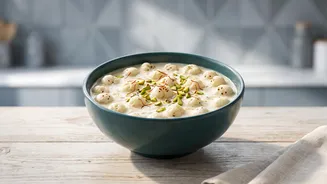
Makhana, or fox nuts, are a nutritional powerhouse, packed with protein, magnesium, and antioxidants yet low in fat. This makes them an excellent ingredient for a creamy and guilt-free dessert like kheer. To make Makhana Kheer, start by roasting about two cups of makhana in a tablespoon of ghee until they are crisp. Set them aside to cool. You can also roast a handful of almonds and cashews for added richness. Once cooled, coarsely crush about three-quarters of the roasted makhana, leaving some whole for texture. In a heavy-bottomed pan, bring one litre of milk to a boil. Let it simmer and thicken slightly before adding the crushed makhana. Cook on a low flame, stirring occasionally, until the makhana softens and the kheer thickens. Finally, add sugar to taste, the whole roasted makhana, chopped nuts, and a pinch of cardamom powder. Cook for another few minutes until the sugar dissolves. This delicious kheer can be served warm or chilled.