

The Battle Against Dampness: Skin and Coat
The single biggest challenge during the monsoon is the relentless humidity, which can wreak havoc on your pet’s skin and coat. Damp fur is a breeding ground for fungal and bacterial infections, leading to itchy, red patches (dermatitis) or musty-smelling
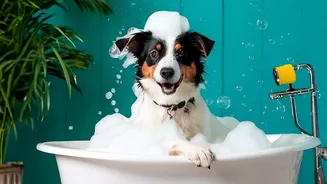
yeast infections. The key is to keep your pet as dry as possible. After every walk, even a short one, thoroughly towel-dry your pet, paying special attention to their underbelly, paws, and any skin folds. For long-haired breeds, regular brushing is essential to prevent matting and help air circulate through the coat. You might consider bathing them less frequently, as over-bathing can strip the skin of its natural protective oils, making it more vulnerable. When you do give a bath, ensure they are dried completely, perhaps even with a pet-safe dryer on a low setting.
Paw Protection and Hygiene
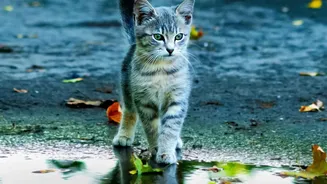
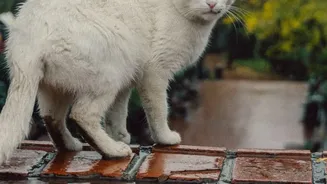
Your pet's paws are on the front line, constantly exposed to muddy paths and dirty puddles. This contaminated water can cause dermatitis and other paw infections. A simple but crucial habit is to wash and dry your pet’s paws after every single outing. Use lukewarm water and a soft cloth, and make sure to dry thoroughly between the toes. Keeping the fur between their paw pads trimmed can also help reduce the amount of mud and moisture they track in. Daily inspection of their paws for any cuts, redness, or swelling is a good practice to catch problems early.
The War on Parasites
Monsoon is peak season for ticks and fleas, which thrive in warm, humid environments. These parasites aren't just a nuisance; they can transmit serious diseases like tick fever. It is critical to be consistent with your vet-recommended tick and flea prevention program, whether it's a spot-on treatment or an oral tablet. Daily checks are also important. Run your hands over your pet’s body, especially around the ears, neck, and in their 'armpits', to feel for any small bumps. Keeping your home clean by regularly washing your pet's bedding and vacuuming carpets can also help control the parasite population indoors.
Dietary Adjustments and Hydration
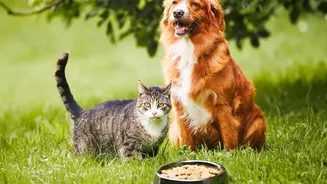
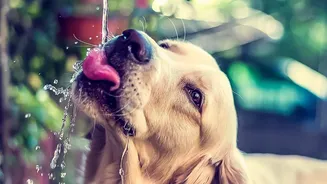
With fewer opportunities for long walks and outdoor play, your pet's activity levels might dip during the monsoon. This may require a slight adjustment in their diet to prevent weight gain. At the same time, their diet needs to support a strong immune system to fight off seasonal illnesses. Some vets suggest that wet or home-cooked food can be a good option during this season, as it's hydrating and often more palatable. Easily digestible proteins like boiled chicken or fish, paired with fibrous vegetables like pumpkin, can be gentle on the stomach. Despite the cooler weather, hydration remains crucial. Ensure fresh, clean drinking water is always available, and consider boiling it if you have concerns about contamination. Also, store dry food in airtight containers to prevent it from getting spoilt by the humidity.
Ear Care and Indoor Enrichment
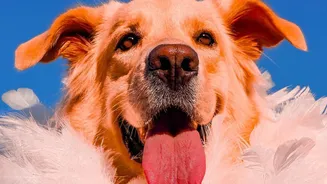
The humid climate increases the risk of ear infections, as moisture can get trapped in the ear canal. This is especially true for breeds with floppy ears. Make it a routine to gently wipe the visible part of your pet’s ears with a dry, soft cloth after walks and check them weekly for any redness or unusual odour. Since outdoor time is limited, preventing boredom is important. Engage your pet with indoor activities like puzzle feeders, games of hide-and-seek, or short training sessions to provide mental stimulation. Keeping their indoor environment clean and their bedding dry will also contribute to their overall comfort and health.