




The Hidden Harm in a Spray Bottle
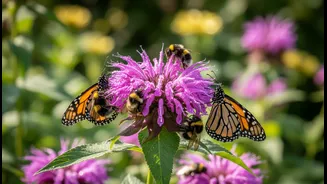
Many common garden pesticides, including insecticides, fungicides, and herbicides, pose a significant threat to pollinators. These chemicals don't just kill pests; they can be lethal to beneficial insects like bees, butterflies, and ladybugs. Exposure
can happen in numerous ways: direct contact from spray, ingesting contaminated nectar and pollen, or contact with treated leaves. Even low, non-lethal doses of certain pesticides, like neonicotinoids, can have severe consequences. They can impair a bee's memory, navigation, and ability to reproduce, while also compromising their immune systems, making them more vulnerable to disease. Essentially, the very chemicals used to protect plants can make a balcony a toxic environment for the creatures you hope to attract.
A Smarter Approach to Pest Control
Instead of reaching for a chemical spray at the first sign of trouble, a better strategy is Integrated Pest Management (IPM). Originally developed for farms, IPM is a common-sense approach perfect for home gardeners. It focuses on prevention and using the least toxic control methods first. The core idea is management, not total eradication, as many insects are harmless or even beneficial. The first step is to simply monitor your plants regularly. Look under leaves and on stems for signs of trouble. If you find a few pests, it doesn't always mean action is needed. Often, a healthy plant can withstand minor damage, and natural predators may soon arrive to handle the problem for you.
Effective, Pollinator-Safe Alternatives
When pests do become a problem, there are many effective solutions that won't harm pollinators. A strong jet of water can dislodge pests like aphids and mites. For more persistent issues, insecticidal soap is a great first-line defence. It only works on contact with soft-bodied insects and breaks down quickly, posing a minimal risk to bees and other beneficials. Neem oil is another powerful tool. Derived from the neem tree, it disrupts the insect life cycle and also has antifungal properties. To use it safely, mix it according to directions and spray early in the morning or late in the evening when pollinators are less active. For crawling pests like slugs, a sprinkle of food-grade diatomaceous earth on the soil surface can create an effective barrier.
Planting a Pollinator's Paradise
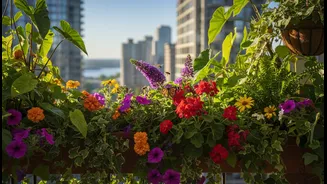
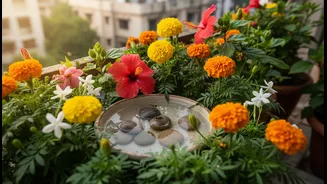
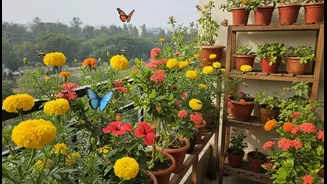
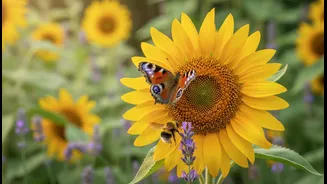
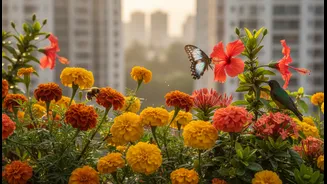
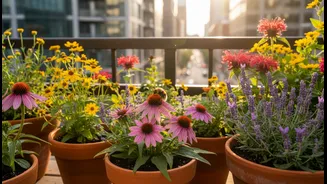
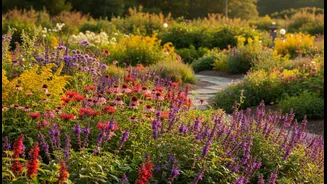
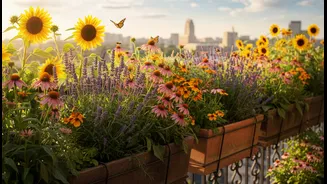
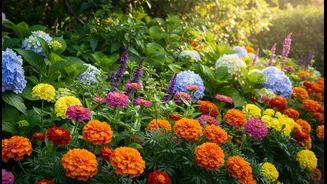
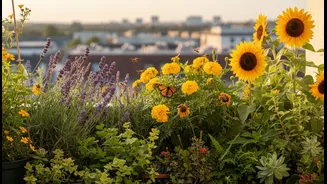
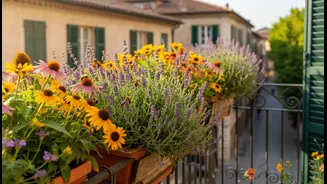
The most important step in welcoming pollinators is providing the right food source. In an Indian context, many beautiful, hardy plants are perfect for a balcony buffet. Marigolds (Genda) are a top choice, as their bright blooms are a magnet for bees and butterflies and they tolerate the climate well. Fragrant plants like Lavender and Tulsi (Holy Basil) are also highly attractive to bees when they flower. Other excellent options for containers include Zinnia, Cosmos, and Petunia. For vining plants, the Butterfly Pea is a fast-growing climber that provides nectar and beautiful blue flowers. Don't forget herbs; allowing mint, rosemary, and thyme to flower provides a valuable food source. Creating variety in flower shapes, colours, and bloom times will attract a wider range of pollinators throughout the year.
More Than Just Flowers
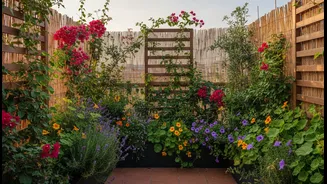
A truly welcoming habitat offers more than just food. Pollinators also need water and shelter. You can provide a safe water source by filling a shallow dish with pebbles and a little water. The pebbles give insects a safe place to land and drink without the risk of drowning. Shelter can be as simple as grouping pots together. This creates a more varied environment with protected spaces, shielding insects from strong winds. Planting a mix of plant heights and textures also contributes to creating these valuable micro-habitats. An inviting balcony isn't just a collection of individual plants, but a small, interconnected ecosystem that provides for the needs of its tiny visitors.