
Venus: The Evening Star Shines Bright
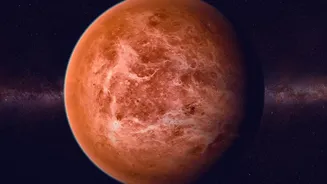
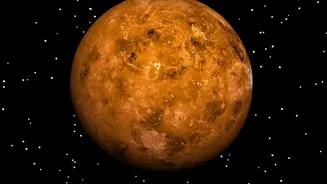
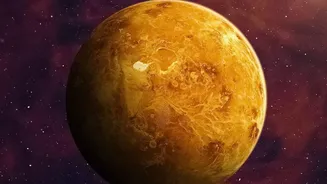
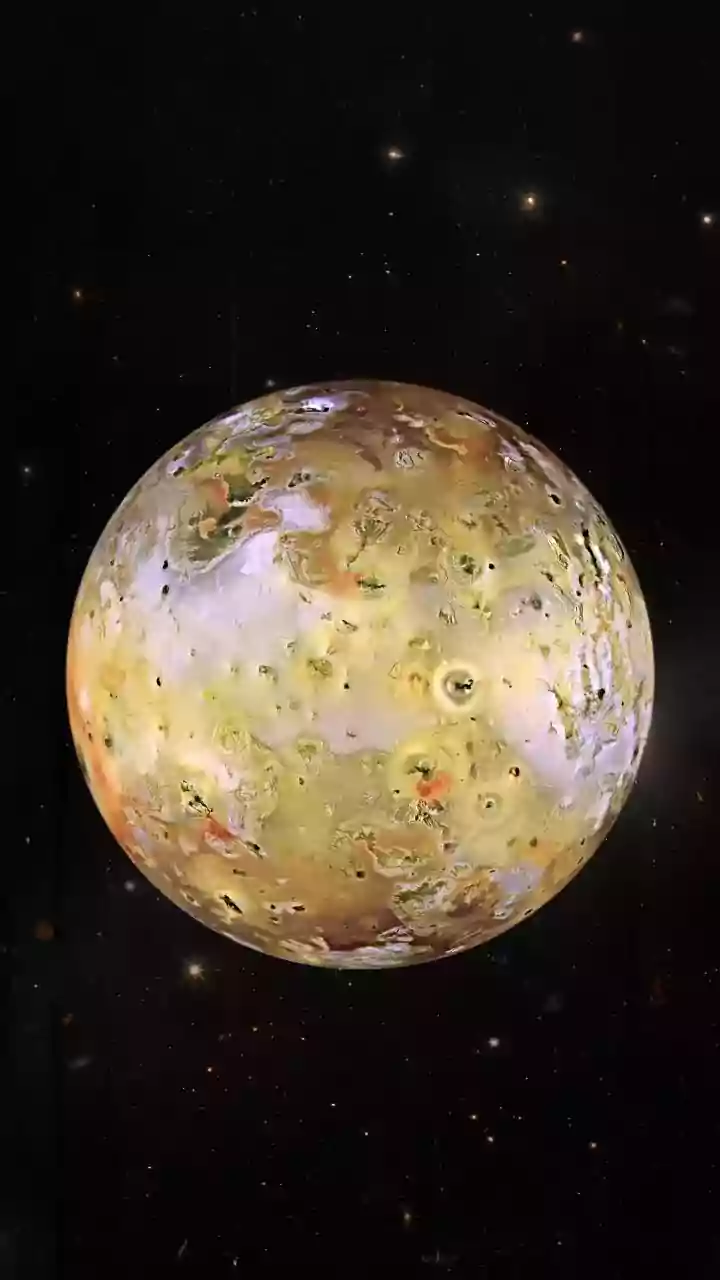
This month, Venus is the undeniable main attraction in the evening sky. Look to the west just after sunset, and you can't miss its brilliant, steady light. The planet reaches its greatest elongation on August 15, meaning it will be at its farthest apparent
distance from the sun, making it exceptionally easy to spot in the twilight. Throughout August, Venus will be a captivating sight, shining at a dazzling magnitude of -4.4. For those with a small telescope, the planet will appear as a tiny, half-illuminated disk around the middle of the month. On the evenings of August 15 and 16, look for the crescent Moon to join Venus in the sky, creating a beautiful celestial pairing.
The Perseid Meteor Shower Peaks
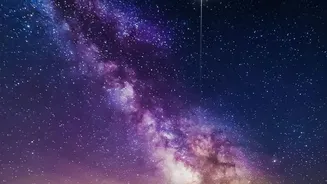
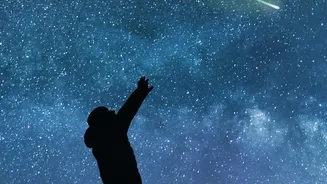
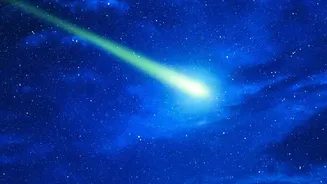
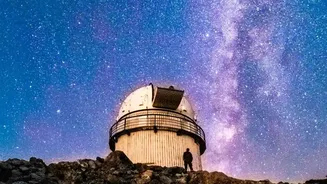
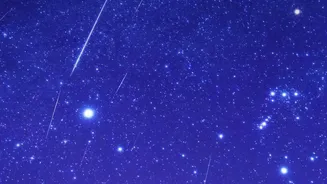
August is famously the month of the Perseid meteor shower, and 2026 promises a fantastic show. The shower, active from mid-July to late August, is expected to peak on the night of August 12-13. The best part? The peak coincides with the New Moon, meaning naturally dark skies will make for ideal viewing conditions. Under a clear, dark sky, you could see between 50 and 100 meteors per hour. These meteors are fragments of the comet Swift-Tuttle, and they often appear as bright, fast streaks of light, many leaving persistent trails. For the best experience, find a location away from city lights, lie back, and give your eyes at least 20 minutes to adjust. The best viewing hours are from midnight until dawn.
A Dramatic Lunar Eclipse
Mark your calendar for the night of August 27-28, when a deep partial lunar eclipse will be visible across North and South America, as well as parts of Europe and Africa. The event peaks shortly after midnight on the East Coast of North America on August 28. At its maximum, an incredible 96% of the Moon will pass through Earth's dark inner shadow, the umbra. This will cause most of the lunar surface to dim dramatically and take on a reddish or coppery glow, a sight often associated with a total lunar eclipse, or "blood moon." The entire event is perfectly safe to view with the naked eye, binoculars, or a telescope.
A Dance of the Planets
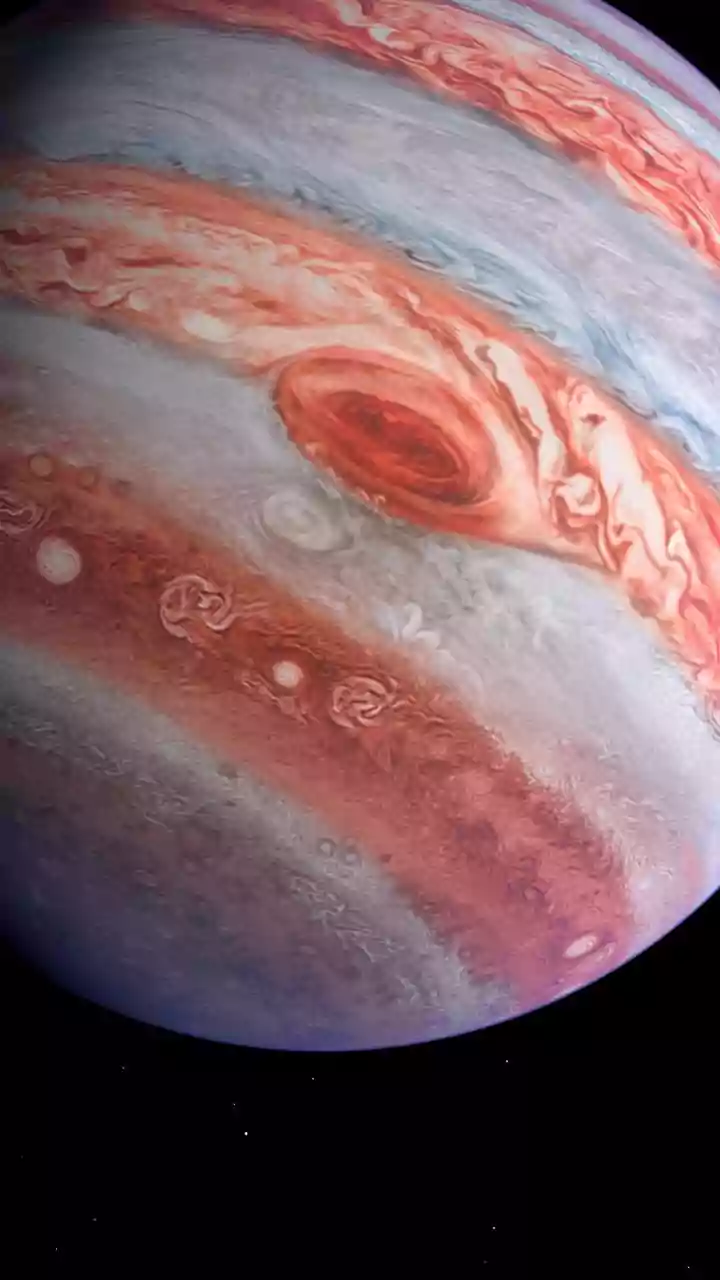
Beyond Venus, other planets are putting on a show. In the pre-dawn hours of August 15, look low to the eastern horizon to see a close conjunction of Jupiter and Mercury. Jupiter will be the brighter of the two, but both will appear remarkably close together. For those up early, August also features a "planet parade" around August 11, with Mercury, Jupiter, Mars, and Saturn all visible to the naked eye across the pre-dawn sky. Reddish Mars can be found in the east before dawn all month, while yellowish Saturn rises in the evening and remains visible for most of the night.
The Full Sturgeon Moon
The month's full Moon, which occurs on August 28, is known as the Sturgeon Moon. This name comes from the traditional knowledge of Algonquian-speaking nations, for whom August was the best time to catch sturgeon in the Great Lakes. This year, the Sturgeon Moon is the very same moon that will undergo the partial lunar eclipse. Other traditional names for August's full Moon include the Corn Moon, the Grain Moon, and the Lightning Moon, all reflecting the characteristics of the late summer season in the Northern Hemisphere.