




Why The Action Is Being Taken Now
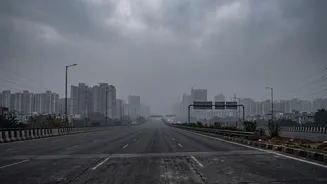
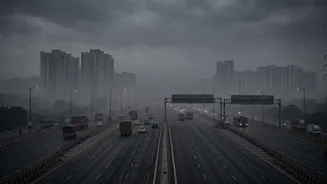
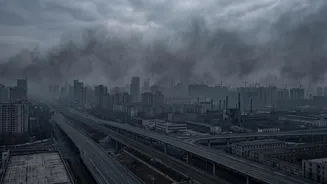
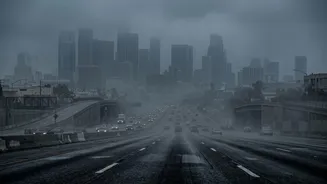
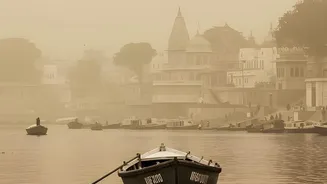
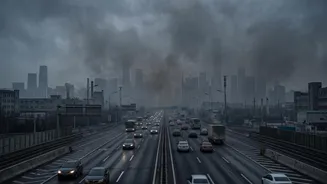
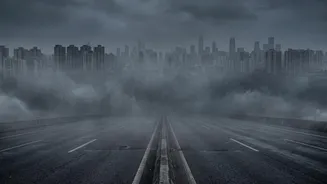
The Capital's air quality took a sharp downturn this week, slipping from 'moderate' to the 'poor' category. On Wednesday, Delhi's Air Quality Index (AQI) climbed to 244, prompting the Commission for Air Quality Management (CAQM) to activate the first
stage of its emergency action plan. This move is based on forecasts from the India Meteorological Department (IMD) which predict that air quality is likely to remain poor in the coming days. GRAP is designed as a forward-looking emergency framework, activating progressively stricter measures to prevent the air from deteriorating to 'severe' or 'hazardous' levels, rather than waiting for a public health crisis to unfold.
What The Stage 1 Rules Mean
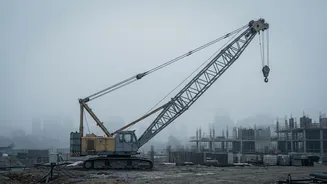
Stage 1 of GRAP involves a 25-point action plan targeting key sources of pollution across the National Capital Region. For residents, this means stricter enforcement of dust control measures. Authorities will increase mechanized road sweeping and water sprinkling. At all construction and demolition sites, strict dust mitigation rules are now mandatory, including covering materials and waste, and transporting debris in covered vehicles. Large sites (over 500 square metres) must be registered on the government web portal to ensure compliance. Additionally, there is a ban on the use of coal and firewood in tandoors at hotels, restaurants, and other open eateries. The use of diesel generator sets is also restricted and is only permitted for emergency and essential services as per CAQM directions.
The Authorities Leading The Charge
The primary body responsible for this crackdown is the CAQM, a statutory body with jurisdiction over Delhi and adjoining areas in Haryana, Uttar Pradesh, and Rajasthan. It works with various implementing agencies, including state pollution control boards and municipal bodies, to enforce the GRAP measures on the ground. These agencies are tasked with intensifying inspections, maintaining strict vigilance, and ensuring that all rules under Stage 1 are followed. Citizens are also encouraged to play a role by reporting violations through designated mobile apps like the Green Delhi App and SAMEER. Violators face stiff penalties, including on-the-spot fines for open waste burning and environmental compensation charges for non-compliant industrial units.
Impact On Industries And Daily Life
While the Stage 1 guidelines are not as disruptive as the higher stages, which can involve school closures and vehicle restrictions, they place a significant compliance burden on the construction and industrial sectors. Builders and contractors must immediately adhere to all dust control norms or face penalties, which can be substantial. For the general public, the immediate impact will be visible through increased efforts to control road dust and a clampdown on garbage burning. Traffic police will also intensify checks for valid Pollution Under Control (PUC) certificates, with fines for violations being hefty. The goal of these early measures is to curb pollution at its source, potentially reducing the severity of respiratory issues and other health problems linked to poor air quality as the winter season progresses.
What Happens If The Air Worsens
GRAP is designed to be incremental. If air quality continues to deteriorate and enters the 'Very Poor' category (AQI 301-400), Stage 2 will be invoked. This would bring additional restrictions, such as tighter controls on pollution hotspots and potential changes to office timings. Stage 3 ('Severe') and Stage 4 ('Severe Plus') involve even harsher measures, including potential bans on certain types of construction activities and restrictions on the entry of specific vehicles into Delhi. The activation of Stage 1 is a clear signal that authorities are taking a proactive stance this year, hoping to prevent the extreme pollution episodes that have become a hallmark of Delhi's winters.