
The Soul of Assamese Culture
Jorhat isn't called the 'Cultural Capital of Assam' for nothing. The city is a vibrant hub of tradition and history, having been the last capital of the Ahom Kingdom. This legacy is palpable everywhere, from its historical monuments to its role as the headquarters
of the Asam Sahitya Sabha, the state's premier literary organization. The city has nurtured generations of writers, artists, and thinkers, giving it a unique intellectual and creative energy. Unlike a simple tourist spot, Jorhat invites you to immerse yourself in a living culture that is a proud blend of its royal past and a dynamic present. The name itself, meaning 'two markets', hints at its long history as a center of trade and congregation.
A Gateway to the World's Largest River Island
One of Jorhat’s most compelling roles is as the primary gateway to Majuli, the world's largest river island. A short journey from Jorhat to the Nimati Ghat ferry point is all that separates you from this incredible riverine landscape. The ferry ride across the Brahmaputra is an experience in itself, offering vast, panoramic views before you arrive at Kamalabari Ghat on Majuli. The island is a hub of Neo-Vaishnavite culture, home to ancient satras (monasteries) where traditions of music, dance, and mask-making are kept alive. Spending a day or two exploring Majuli's serene villages and unique culture is an essential part of the Jorhat experience, turning a simple city visit into a deeper exploration of Assam.
The Epicenter of Tea
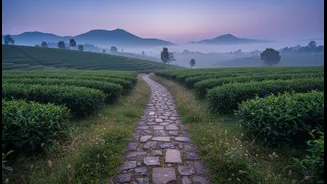
While all of Assam is synonymous with tea, Jorhat is its undisputed capital. The city is surrounded by hundreds of lush green tea estates, creating a stunning landscape. But Jorhat’s connection to tea runs deeper than just scenery. It is home to the Tocklai Tea Research Institute, one of the oldest and largest institutions of its kind in the world, established in 1911. Here, the science behind every cup of Assam tea is explored and perfected. While access to the research center may require prior permission, its presence underlines Jorhat's global significance in the tea industry. A visit to the surrounding estates offers a firsthand look at the lifecycle of the leaves that fuel the world.
Encounters with Rare Wildlife
Beyond the more famous Kaziranga National Park, Jorhat offers a unique and intimate wildlife experience at the Hoollongapar Gibbon Sanctuary. Located just about 20 kilometers from the city, this protected forest is renowned for being home to India's only ape, the Hoolock Gibbon. What makes this sanctuary special is that exploration is done on foot, allowing for a quiet, immersive experience. Accompanied by a guide, you can walk the trails, listening to the distinct calls of the gibbons echoing through the canopy. The sanctuary is also a haven for six other primate species, including the Slow Loris, Capped Langur, and Stump-tailed Macaque, making it a must-visit for nature lovers seeking something different.
A Journey into Faith and History
Jorhat and its surroundings are dotted with sites of immense historical and spiritual importance. The Dhekiakhowa Bornamghar, established by the saint-reformer Madhavdeva in the 16th century, is one of Assam's most revered prayer halls. Legend has it that an earthen lamp he lit here has been burning continuously for nearly 500 years. The name itself comes from a humble meal of 'dhekia' (a local fern) that the saint was served, a story reflecting the region's deep-rooted devotion. For a glimpse into the Ahom dynasty, you can visit Raja Maidam, which holds the ashes of the last Ahom King, Purandar Singha, and Lachit Borphukan's Maidam, honoring the legendary Ahom general.