





Welcome to the Kaas Plateau
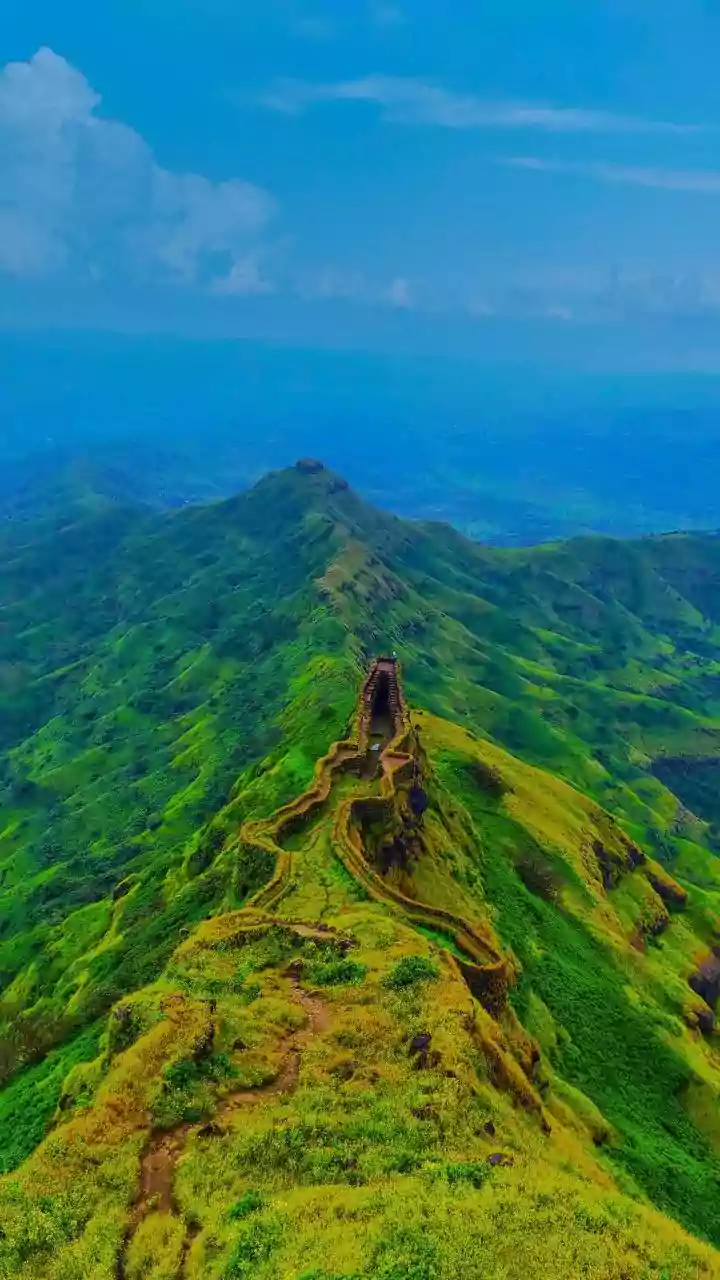
Forget the crowded tourist spots. We’re talking about the Kaas Plateau, or Kaas Pathar, a sprawling lateritic plateau located near Satara in Maharashtra. Recognised as a UNESCO World Natural Heritage Site, it's part of the mighty Western Ghats. For most
of the year, it’s a barren, windswept landscape. But for a few precious weeks during the monsoon, it undergoes a breathtaking transformation. The entire plateau erupts into a vibrant carpet of countless tiny wildflowers, turning the landscape into a painter’s palette of pink, purple, yellow, and blue. This is not your typical high-octane adventure; it’s a gentle immersion in nature’s quietest spectacle.
Why 'Peaceful' Is the Perfect Word
The headline’s claim of “peaceful” isn’t just marketing fluff. The experience at Kaas is serene by design. To protect its fragile ecosystem, the Forest Department has put strict regulations in place. Only a limited number of visitors are allowed each day, with entry managed through a mandatory online booking system. This prevents the overwhelming crowds that plague other popular destinations. Once inside, you are required to stick to designated pathways. This not only protects the delicate flowers but also ensures that your experience is one of quiet observation. There are no loud vendors, no chaotic traffic—just you, the gentle breeze, and an endless expanse of blossoms. The focus is entirely on soaking in the natural beauty without disturbing it.
A Symphony of Blooms
The magic of Kaas lies in its incredible biodiversity. The plateau is home to over 850 different species of flowering plants, many of which are endemic to this specific region, meaning they are found nowhere else in the world. Depending on when you visit within the blooming season, the dominant colours of the landscape can change. You might see carpets of the delicate pink Impatiens, vibrant yellow Sonki (Smithia), or the striking purple Karvi. The bloom is a cyclical, living event. Different species bloom in waves, so a visit in late August will look completely different from one in mid-September. It’s a dynamic, living canvas that rewards patient observation. Keep an eye out for insect-trapping plants like Drosera indica, which add another layer of fascination to the ecosystem.
Planning Your Serene Escape
A trip to Kaas requires a bit of planning. The blooming season typically starts in late August and lasts until early October, with the peak usually falling in September. Check online for bloom updates before you book. **Booking:** All tickets must be booked online through the official Kaas Plateau website. On-the-spot booking is generally not available, so plan ahead. **Getting There:** The nearest major cities are Pune (around 135 km) and Mumbai (around 280 km). The best way to reach is by road. You can hire a cab or drive to Satara, from where Kaas is a short drive away. Local transport is available from Satara city. **What to Bring:** Wear comfortable walking shoes, as you’ll be exploring on foot. Carry a raincoat or umbrella, as monsoon showers are frequent. A good camera is a must, but remember the most important rule: do not pluck the flowers or stray from the paths.
Beyond the Wildflower Carpet
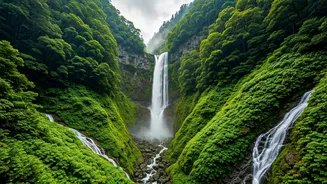
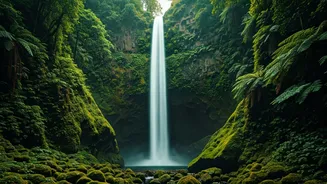
While the plateau is the main attraction, the surrounding area is also rich with monsoon beauty. Just a short drive away is the Kaas Lake, a serene water body enveloped in greenery that provides a perfect spot for a quiet pause. For those who love the thunderous roar of water, the Thoseghar Waterfalls are a spectacular sight during the monsoon. A series of cascades, including one falling from over 200 metres, they offer a powerful contrast to the gentle beauty of the plateau. Combining a visit to Kaas with these nearby spots can turn your peaceful adventure into a well-rounded monsoon getaway, showcasing both the quiet and the mighty faces of the season.