


Why Festive Demand Increases Risks
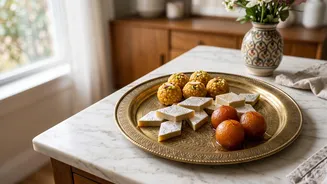
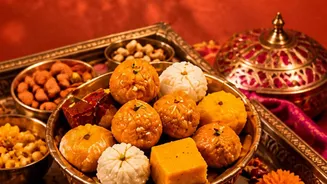
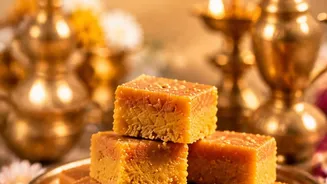
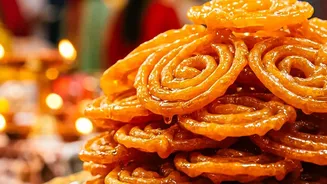
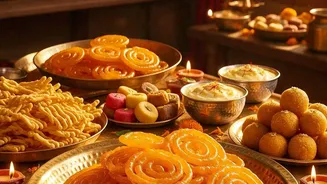
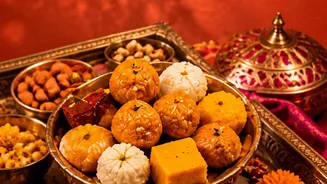
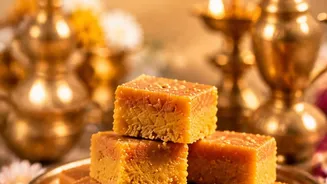
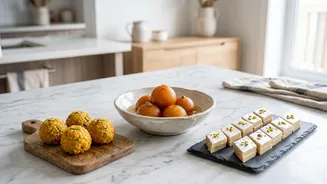
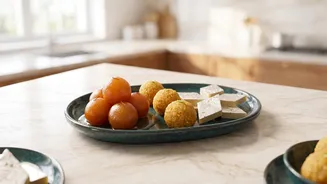
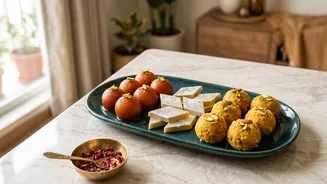
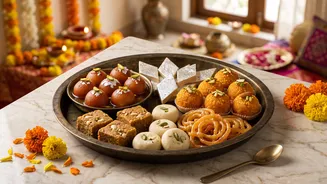
During festivals like Diwali, the demand for sweets like laddoos, barfis, and pedas skyrockets. This immense pressure on suppliers creates a gap between demand and the available supply of core ingredients like milk and khoya (also known as mawa). To meet
the rush and cut costs, some producers resort to adulteration. Khoya might be bulked up with starch, flour, or even blotting paper, while pure ghee may be mixed with cheaper vanaspati or vegetable fats. This not only cheats the customer but can also pose significant health risks, from stomach upsets to more severe issues caused by non-permitted colours and chemicals.
Start by Choosing a Reputable Vendor
Your first line of defence is choosing where you shop. Opt for established, trusted sweet shops known for their quality and hygiene. The Food Safety and Standards Authority of India (FSSAI) requires all food businesses to have a license or registration, which should be displayed prominently in the shop. Be wary of prices that seem too good to be true, as this can be a red flag for poor-quality ingredients. A busy shop is often a good sign, indicating fresh stock and a loyal customer base.
Use Your Senses: Visual and Smell Checks
Before you buy, take a moment to inspect the sweets. They should not have any unusual smells; a sour or foul odour is a clear sign of spoilage. Look at the colours—bright, synthetic-looking hues could indicate the use of non-permitted industrial dyes. Pure, fresh mithai usually has a natural, subtle colour. Also, check the texture. For instance, pure khoya should have a slightly grainy, oily feel, whereas adulterated versions may feel pasty or dry. FSSAI has also mandated that shops display a 'best before' or 'use by' date, even for loose sweets sold in trays.
Know the Common Adulterants
Knowledge is power. The most common adulterant is starch, added to khoya and other milk products to increase their weight. Another frequent issue is fake 'vark' or silver leaf; what looks like silver might be cheaper aluminium, which can be harmful. Ghee can be adulterated with vanaspati, and sweets can contain non-permitted colours like Metanil Yellow, which is toxic. In some shocking cases, officials have even found detergents used to create a frothy, thick appearance in milk-based sweets.
Simple Tests You Can Do at Home
You don't need a laboratory to run a few basic checks. To test for starch in khoya-based sweets, dissolve a small piece in hot water, let it cool, and add a drop of iodine solution. If it turns blue, it confirms the presence of starch. To check the silver 'vark', gently rub it between your fingers. Pure silver will disintegrate into the skin, while aluminium will roll up into a small ball. For ghee, a simple test is to rub a bit of the sweet on your palm. If it's made with pure ghee, it should start to melt from your body heat.
Proper Storage to Maintain Freshness
Once you've brought your sweets home, storing them correctly is crucial to prevent spoilage. Generally, milk-based or syrupy sweets should be refrigerated and consumed within 2-5 days. Drier sweets like besan laddoos can last longer, sometimes for weeks, if stored in an airtight container. Always let freshly made sweets cool down completely before storing them to prevent moisture build-up from trapped steam, which can lead to faster spoilage. It's also important to keep raw or uncooked items separate from cooked sweets to avoid cross-contamination.