




The Problem with Packaged Flakes
For decades, many of us have started our mornings with a bowl of packaged breakfast cereal. It’s quick, convenient, and often marketed as a healthy choice. However, most commercial cereals are ultra-processed foods. This means they are often stripped
of their natural fibre and nutrients, then loaded with added sugars, artificial colours, and preservatives. A diet high in these foods is linked to a range of health issues. The high sugar content can cause a rapid spike in blood sugar, giving you a brief burst of energy followed by a crash that leaves you feeling tired and hungry long before lunchtime. Furthermore, additives and a lack of fibre can disrupt your gut microbiome, leading to digestive discomfort and inflammation.
The Gentle Power of Poha
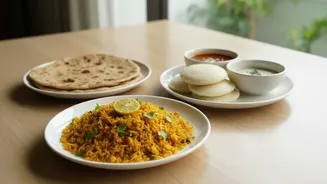
Enter poha, the flattened rice dish that is a breakfast staple across India. Unlike heavily processed cereals, poha is light and easy on the stomach. Because it's less processed than white rice, it retains more nutrients and has a lower glycemic index, meaning it releases sugar into the bloodstream more slowly. This prevents the sudden energy spikes and crashes associated with sugary cereals, providing a more sustained source of fuel for your morning. Poha is also a good source of iron and healthy carbohydrates. Interestingly, the traditional preparation process involving fermentation can introduce beneficial bacteria, making it a probiotic food that supports good gut health.
Idli's Fermented Advantage for Your Gut
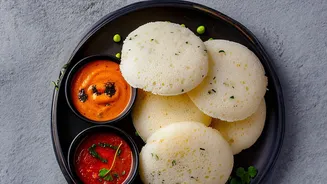
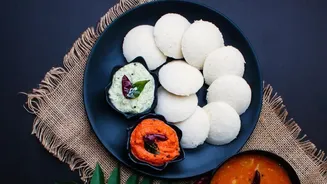
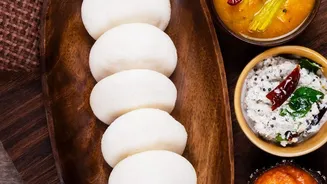
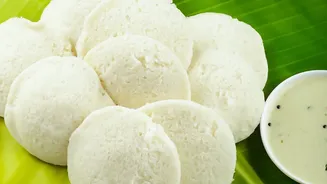
Idli, the soft, steamed cake made from a fermented batter of rice and lentils (urad dal), is another powerhouse of morning nutrition. Its single greatest advantage lies in fermentation. This ancient process enriches the food with probiotics—live, beneficial bacteria that are crucial for a healthy digestive system. These probiotics help improve nutrient absorption, reduce bloating, and maintain a balanced gut environment. Because the batter's starches are broken down during fermentation, idlis are incredibly easy to digest. They are steamed, not fried, making them naturally low in fat and calories. The combination of rice (carbohydrates) and urad dal (protein) creates a balanced meal that keeps you feeling full and satisfied for longer.
Sustained Energy, Not a Sugar Rush
The key difference between these traditional breakfasts and packaged flakes lies in how they deliver energy. Sugary cereals cause a sharp, fast rise in blood glucose, followed by a steep drop. In contrast, traditional preparations like poha and idli offer a more complex nutritional profile. Poha, especially thicker varieties, generally has a moderate glycemic index, helping to regulate blood sugar absorption. While a standard rice idli can have a high glycemic index, its impact is often balanced by being eaten with protein-rich sambar and healthy fats from chutney. The fibre, protein, and complex carbohydrates in these meals slow down digestion, providing a steady release of energy that can power you through the morning without the dreaded slump.
A Mindful Start to Your Day
Beyond the nutritional science, there's a cultural and psychological benefit to starting your day with a warm, freshly prepared meal. The act of preparing and eating poha or idli is a more mindful process than pouring cereal from a box. It connects you to a rich culinary heritage and encourages you to sit down and savour your food. This simple ritual can set a calmer, more intentional tone for the rest of the day. Unlike a cold bowl of flakes, a warm breakfast is comforting and nourishing, providing a sense of satisfaction that goes beyond just filling your stomach. It’s a small act of self-care that can have a big impact on your overall well-being.