


A new skincare trend is flooding social media: DIY 'retinol' ice cubes. Promising glowing, smooth skin with just a few kitchen ingredients, these frozen treats sound too good to be true. And as it turns out, that's because they are.
The Icy Allure of a Viral Hack
Scroll through beauty-focused
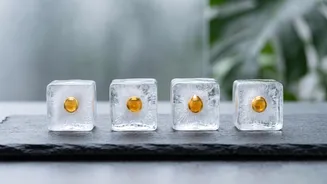
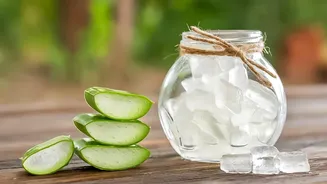
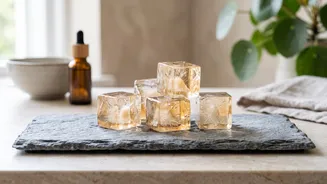
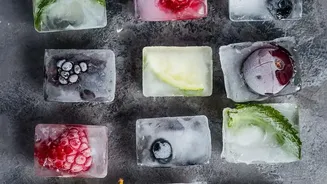
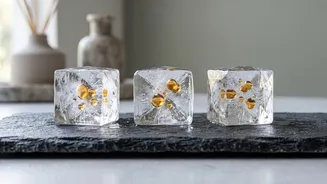
social media feeds and you'll likely spot them: vibrant orange ice cubes being rubbed onto freshly cleansed faces. These are so-called 'retinol ice cubes', a DIY skincare hack that has gone viral with claims of reducing fine lines, boosting collagen, and delivering a radiant glow. Recipes typically involve blending ingredients like carrots, rosehip oil, aloe vera, and sometimes potato or cucumber juice, then freezing the mixture in an ice tray. The idea is to combine the anti-inflammatory benefits of skin icing with the anti-ageing power of retinol. Users are instructed to rub a cube over their face daily for a few minutes to achieve a complexion that is smooth, firm, and bright. It sounds simple, natural, and cost-effective, which explains its massive appeal. But there's a fundamental problem with this trend, and it’s right there in the name.
The 'Retinol' That Isn't Retinol
The central claim of this DIY trend hinges on a major misunderstanding of chemistry. These recipes contain no actual retinol. The name comes from the inclusion of ingredients like carrots and rosehip oil. Carrots are rich in beta-carotene, an antioxidant that gives them their orange color. While our bodies can convert ingested beta-carotene into Vitamin A (the family of compounds that includes retinol), this process is complex and inefficient. Furthermore, applying beta-carotene topically does not mean your skin converts it into active retinol. Similarly, rosehip oil contains trace amounts of trans-retinoic acid (a type of retinoid) and is high in Vitamin C and fatty acids, which offer benefits like hydration and brightening. However, it is not retinol and does not provide the same potent, cell-turnover effects. These natural ingredients simply do not contain the pre-formed, potent retinol found in cosmetic formulations.
Why Real Retinol and Ice Don't Mix
Even if you were tempted to add a few drops of your expensive retinol serum into the ice cube tray, it would be a waste of product and effort. Retinol is a notoriously unstable molecule. It degrades quickly when exposed to air, light, and extreme temperatures. That’s why reputable brands invest heavily in creating stable formulas and protective, opaque packaging. Freezing a water-based concoction with retinol would likely compromise the formula's stability and effectiveness. The process of freezing and thawing can cause the ingredients in a product to separate, altering its texture and rendering the active ingredients useless. Skincare products are formulated by cosmetic chemists to remain stable and effective at room temperature; subjecting them to the freezer is a recipe for disaster, not better skin.
So, Is It a Complete Waste of Time?
Not entirely. While the 'retinol' claims are false, the practice does have some temporary benefits. The act of rubbing ice on your face, known as skin icing or cryotherapy, causes blood vessels to constrict. This can temporarily reduce puffiness, especially under the eyes, and calm inflammation, making your skin appear tighter and less red. Many dermatologists agree that it can be a refreshing ritual that provides a shortterm glow. The ingredients themselves also have merits. Carrot juice and cucumber provide antioxidants, aloe vera is soothing, and rosehip oil is moisturizing. So, while you aren't getting a retinol treatment, you are getting a cold compress with some added topical nutrients. Just be careful not to apply ice directly to the skin for too long, as this can cause irritation or even an ice burn; always keep the cube moving or use a thin cloth as a barrier.
Smarter Ways to Get Vitamin A's Benefits
If you're serious about incorporating the anti-'ageing benefits of Vitamin A into your routine,' skip the freezer and head to the store.' Over-'the-'counter retinol products are scientifically formulated for stability and skin penetration.' For those with sensitive skin or who prefer a plant-'based option,' bakuchiol is an excellent,' clinically-'proven alternative.' Derived from the babchi plant,' studies have shown that bakuchiol offers results comparable to retinol in improving fine lines,' pigmentation,' and elasticity,' but with significantly less irritation,' redness,' and peeling.' Unlike retinol,' bakuchiol is stable and does not increase sun sensitivity,' meaning it can be used in both your morning and evening routines.' Consulting with a dermatologist can help you find the right product and concentration for your specific skin concerns.