





Why Your Standard Policy Likely Falls Short
Many travellers assume that a standard travel insurance policy is a catch-all safety net. Unfortunately, when it comes to adventure sports, this is rarely the case. Most generic policies contain specific exclusion clauses for activities deemed “hazardous”
or “high-risk,” and river rafting, kayaking, and canoeing almost always fall into this category. Buried in the fine print, you’ll likely find that any injury or loss sustained during such activities is not covered. This means if you have an accident on the water, you could be left to cover all associated costs yourself, which can be financially devastating, especially in a foreign country. Relying on a basic policy for a river trip is like bringing a raincoat to a hurricane; it's simply not designed for the level of risk involved.
The Critical Need for Medical Evacuation
River adventures often take place in remote, rugged locations far from accessible medical facilities. A twisted ankle or a minor injury that would be simple to treat in a city can become a serious emergency on a secluded riverbank. This is where Emergency Medical Evacuation coverage becomes non-negotiable. While a standard policy might cover an ambulance ride to a nearby hospital, it will likely not cover the cost of a complex evacuation from a remote gorge, which could require a helicopter or specialized rescue team. Adventure-specific insurance plans are designed with this in mind, providing high coverage limits for transport from your point of injury to a hospital that can provide appropriate care, even if that means repatriation to your home country.
Search and Rescue: A Lifesaving Add-On
In a worst-case scenario, such as getting separated from your group or being stranded due to weather, a search and rescue operation may be necessary. The costs for these operations can be exorbitant, running into lakhs of rupees. Most insurance policies do not cover search and rescue at all. However, many specialized adventure insurance plans offer this as a specific benefit or an optional add-on. When choosing a policy, this is a crucial feature to look for, as it provides a financial backstop for the massive expense of a coordinated rescue effort in a remote area.
Protecting Your Paddles and Gear
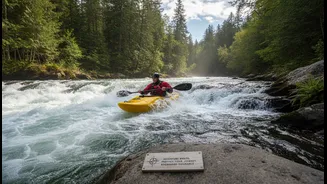
The risks on a river aren't just physical; your equipment is also vulnerable. A quality kayak, paddles, helmet, and other personal gear can represent a significant investment. Standard baggage coverage in a generic travel policy often has low per-item limits and may not cover sporting equipment at all, especially once it's in use. An adventure policy, by contrast, often includes specific coverage for sporting goods, protecting you against loss, theft, or damage. Some plans even offer reimbursement for renting replacement gear if yours is delayed, ensuring your adventure isn't derailed while you wait for a lost bag.
How to Choose the Right Policy
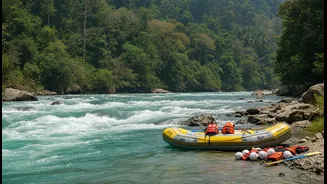
When shopping for river adventure insurance, don't just look at the price. You need to read the policy details carefully to ensure it meets your specific needs. First, confirm that your exact activity is listed as covered; “water sports” is too vague. If you are whitewater rafting, check if the policy covers the specific grade of rapids on your itinerary, as many insurers exclude anything above Class III or IV without an additional rider. Second, check the coverage limits for medical expenses and emergency evacuation, ensuring they are substantial. Finally, be aware of the policy’s exclusions. Most will not cover you if you are under the influence of alcohol, acting recklessly, or participating in a professional competition.