







Stop the Clock on the 'Danger Zone'
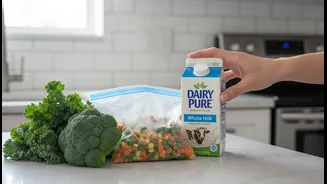
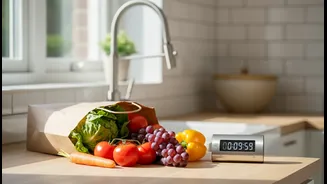
The absolute first priority is getting perishable items into a temperature-controlled environment. Foods like meat, poultry, fish, dairy, and eggs should not remain at room temperature for more than two hours. According to the USDA, bacteria can grow
rapidly in the 'danger zone' between 4°C and 60°C. If the outdoor temperature is high, this window shrinks to just one hour. Before you do anything else, identify all refrigerated and frozen goods and put them away. This simple, immediate action is the most important step for preventing foodborne illness. Don't get distracted by sorting pantry items; the cold chain comes first.
Unpack Everything at Once
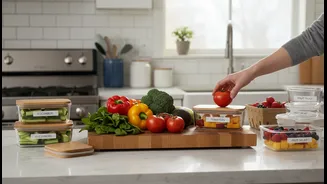
It’s tempting to unpack one bag at a time, but this is often inefficient. A better method, recommended by professional organizers, is to empty all your bags onto a clean countertop. This allows you to quickly group similar items together: all the fridge items, all the freezer items, and all the pantry goods. This 'staging' process prevents you from opening the refrigerator door multiple times, which wastes energy, and gives you a full picture of your haul. It’s also the perfect moment for a quick inspection. Check that you’ve received everything you ordered and that nothing is damaged.
Inspect for Quality and Accuracy
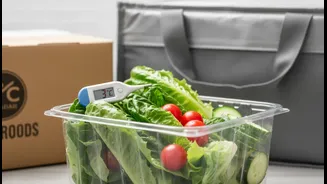
Before stashing everything away, take a moment to be a quality-control inspector. Check that delivered items marked 'Keep Refrigerated' feel cold to the touch, ideally below 4°C. If a perishable item arrives warm, do not taste or consume it. Examine produce for bruising, and check 'use by' dates on dairy and meat. If you use a delivery service, this is the time to report any issues with quality or missing items. It's much harder to get a refund or replacement once a few days have passed. Ensure packaged goods are sealed and cans are not dented, which can be a sign of potential contamination.
Implement the 'First In, First Out' Rule
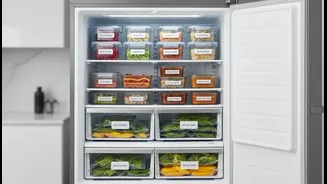
As you put away your new groceries, practice the 'First In, First Out' (FIFO) principle used in professional kitchens. This means moving older items to the front of your fridge and pantry, and placing the new items behind them. This simple habit ensures that you use up food before it expires, significantly cutting down on household food waste. For items like milk, yoghurt, and sauces, a quick rotation can save you from finding an expired product hidden at the back. It helps you see what you have at a glance and makes meal planning easier.
Give Your Produce the Right Home
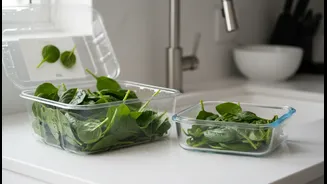
Not all fruits and vegetables should be stored the same way. In fact, incorrect storage is a primary cause of premature spoilage. A common mistake is washing produce right after it arrives; excess moisture can accelerate decay. It's best to wash items just before you use them. Also, be aware of ethylene gas, which is released by fruits like bananas, apples, and avocados and speeds up ripening. Keep these items separate from ethylene-sensitive produce like leafy greens and broccoli to prevent them from spoiling too quickly. Store potatoes and onions in a cool, dark, and dry place, not the refrigerator.
A Final Clean and Tidy
Once all the food is put away, the job isn't quite finished. Take a moment to wipe down your countertops, especially if raw meat packaging was sitting there. Break down any cardboard boxes and sort delivery bags for reuse or recycling. This final step prevents clutter and cross-contamination. Taking these few extra seconds to clean your workspace ensures your kitchen is ready for your next culinary adventure and that the convenience of delivery doesn't introduce any new messes or hazards.