








Capital Submerged, Commutes Disrupted
The past few days have seen relentless downpours across the National Capital Region, turning major roads into waterways and slowing traffic to a crawl. The India Meteorological Department (IMD) has issued 'Orange' alerts, forecasting continued heavy rainfall.
This severe weather has led to widespread waterlogging in several parts of the city, from key arterial roads to areas surrounding the New Delhi Railway Station. For anyone trying to get to the airport, this translates into a significant travel challenge, with journeys taking much longer than usual. The situation on the ground is the first hurdle for passengers, as simply reaching the airport on time has become a difficult task.
Why Heavy Rain Disrupts Air Travel
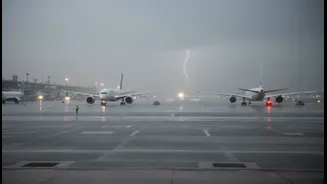
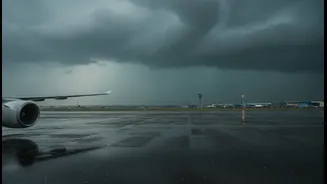
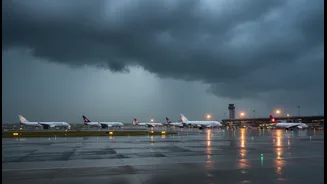
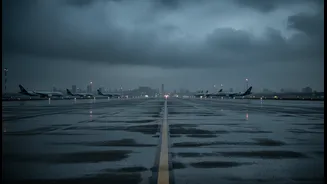
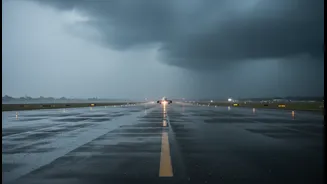
The impact of severe weather on flights goes far beyond poor visibility. Heavy rainfall creates a complex set of operational challenges for airports. Waterlogging on runways and taxiways can make take-offs and landings unsafe. Ground handling services, which include baggage loading and aircraft refueling, are often slowed down or temporarily halted to ensure the safety of personnel working on the tarmac. This has a cascading effect, where a delay in one flight can cause a ripple effect across the entire schedule for the rest of the day. In recent days, Delhi's Indira Gandhi International Airport has seen numerous diversions and a significant number of delayed departures and arrivals, directly linked to the intense monsoon spell.
Airlines Urge Passenger Caution
In response to the disruptions, virtually all major Indian carriers have been proactive in communicating with their passengers. Airlines like IndiGo, Air India, SpiceJet, and Akasa Air have issued travel advisories across their social media channels and websites. The message is consistent and clear: passengers flying to or from Delhi should check the real-time status of their flight before leaving for the airport. They are also strongly advising travelers to allow for significant extra time for their commute to the airport, acknowledging that the city's waterlogged roads and traffic jams could cause them to miss their flights. These advisories are not just suggestions; they are essential instructions to avoid getting stranded.
Your Monsoon Pre-Flight Checklist
Navigating the airport during this weather requires a proactive approach. First, treat your airline’s mobile app or website as your most crucial travel tool. Turn on notifications and check your flight status frequently, right up until you leave home. Second, monitor traffic conditions using real-time maps and plan your journey to the airport with a generous buffer—what normally takes an hour might take two or three. Third, keep all your travel documents, both digital and physical, easily accessible. This includes your ticket, ID, and any communication from the airline regarding delays or schedule changes. Being prepared can make the difference between a stressful ordeal and a manageable delay.
Know Your Rights in a Weather Delay
While weather-related disruptions are considered 'extraordinary circumstances' and exempt airlines from paying monetary compensation, passengers are not left without rights. According to the Directorate General of Civil Aviation (DGCA), airlines have a 'duty of care'. If your flight is significantly delayed, they are obligated to provide you with meals and refreshments. For very long or overnight delays, this extends to providing hotel accommodation and transfers. If your flight is cancelled, the airline must offer you the choice between a full refund or rebooking on an alternative flight at no extra cost. It is crucial to remember that these are your entitlements, not gestures of goodwill from the airline.