


1. Mint (Pudina)
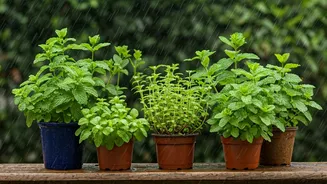
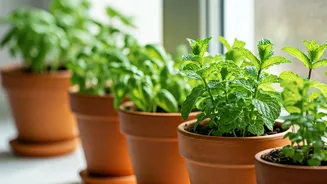
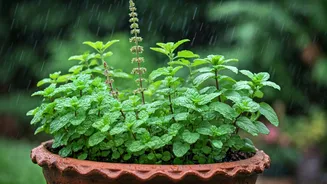
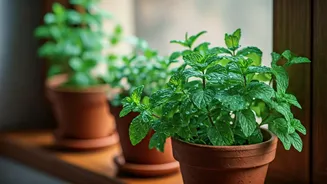
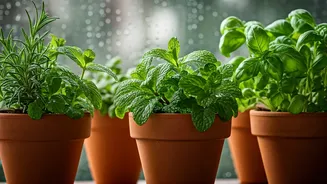
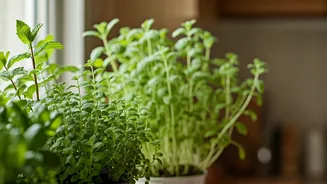
There is nothing quite like the refreshing aroma of mint, especially on a damp, rainy day. Mint, or pudina, is arguably the easiest herb to grow for beginners and it absolutely flourishes during the monsoon's cool, damp conditions. Its fast-spreading
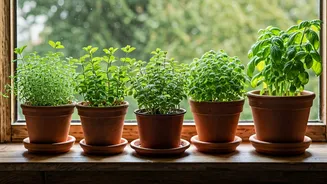
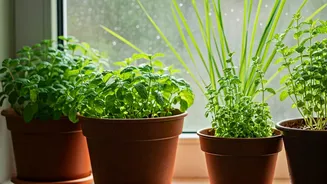
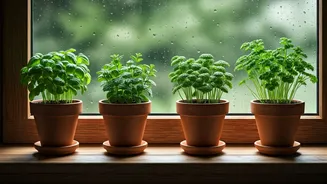
nature, which can be a problem in a garden bed, is perfectly contained within a pot, making it ideal for apartment living. A sprig of fresh mint can instantly elevate your evening chai, a cool glass of lemonade, or a flavourful homemade chutney. To start, you can easily grow mint from a cutting. Simply place a healthy stem in a glass of water until roots appear, then plant it in a wide, shallow pot with drainage holes. Mint prefers soil that is consistently moist but not waterlogged, a key point during the humid monsoon. Place your pot in a spot that receives indirect or partial sunlight, like an east-facing windowsill that gets gentle morning light. Regular harvesting will encourage the plant to grow bushier, ensuring you have a steady supply all season long.
2. Holy Basil (Tulsi)
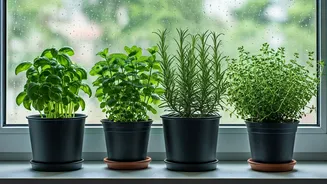
A fixture in many Indian households, Holy Basil, or Tulsi, is revered for both its spiritual significance and its medicinal properties. Its distinct, pleasant aroma is said to purify the air and lift the mood, making it a wonderful plant to have indoors during the grey monsoon months. Tulsi thrives in the warm and humid weather that the rainy season brings. While it loves warmth, it's crucial to protect it from being waterlogged. When growing it in a pot, ensure you use a well-draining soil mix and a container with good drainage holes. Water it only when the top layer of the soil feels dry to the touch. Tulsi needs a good amount of light to flourish, so place it near your sunniest window, preferably one that faces south and provides at least four to six hours of sunlight daily. If you notice the stems getting long and weak, it's a sign it needs more light. Regularly pinching off the flower buds will help the plant become bushier and produce more of its aromatic leaves.
3. Lemongrass
The zesty, citrusy fragrance of lemongrass is a perfect antidote to the gloom of an overcast day. This tropical grass, native to India, is the key ingredient in many Asian cuisines and makes for a wonderfully refreshing herbal tea. An added benefit during the monsoon is that its scent is a natural insect repellent. Growing lemongrass indoors is surprisingly simple. You can even start a new plant from fresh stalks purchased from a grocery store. Just place the stalks in a glass with a few inches of water, and in a couple of weeks, you should see roots beginning to sprout. Once rooted, plant it in a large, deep pot to accommodate its growth. Lemongrass is a sun-worshipper and needs at least six hours of direct sunlight a day to thrive, so a spot near a south-facing window is your best bet. It likes its soil to be consistently moist, so water it regularly, especially as it grows larger. Frequent harvesting by cutting the stalks at the base will encourage new shoots to grow.
4. Carom (Ajwain)
The Ajwain plant, often called Indian Borage or Mexican Mint, has succulent leaves with a pungent and distinctively aromatic fragrance similar to the carom seeds used in our kitchens. The monsoon is considered one of the best seasons to grow this hardy herb. Its leaves can be used to flavour pakoras, parathas, or simply chewed for their digestive benefits. Because it is a succulent plant, Ajwain is particularly sensitive to overwatering, making well-draining soil and a pot with drainage holes absolutely essential to prevent root rot. It's best to allow the top inch of soil to dry out completely before watering again. While it can tolerate some shade, for healthy, flavourful leaves, the Ajwain plant needs a good amount of sunlight—aim for at least four to six hours daily. You can start a plant easily from a cutting. With its beautiful, slightly fuzzy leaves and robust aroma, it makes for both a useful and attractive addition to your indoor monsoon garden.