





A Foundation Set in History
The story begins over a century ago. When Dadasaheb Phalke, the “Father of Indian Cinema,” produced India's first full-length feature film, 'Raja Harishchandra', in 1913, he laid its foundations in what was then Bombay. The city was already a bustling,
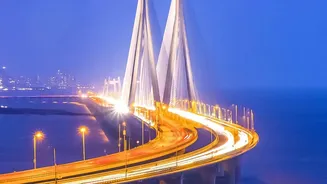
cosmopolitan port and the commercial capital of British India, making it a natural hub. Early filmmakers were drawn to its progressive, Westernised image compared to more conservative parts of the country. After the partition of India, many film professionals from the then-thriving Lahore industry migrated to Bombay, further cementing its status as the centre for Hindi-Urdu cinema. This historical head start created a gravitational pull that has been hard to challenge.
The Unmatched Physical Infrastructure
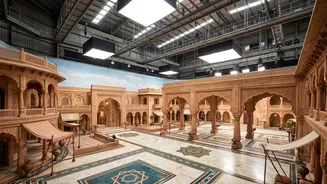
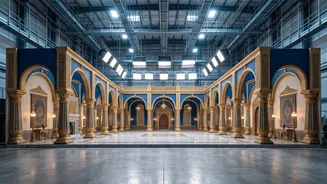
Modern filmmaking requires a massive and specialised infrastructure, and Mumbai has it in spades. The most prominent example is Film City, also known as Dadasaheb Phalke Chitranagari, a sprawling 520-acre complex in Goregaon established in 1977. It offers a one-stop solution for filmmakers, with over 20 studios, ready-made sets ranging from villages to palaces, and diverse natural landscapes. Beyond Film City, the metropolis is dotted with legendary studios like Yash Raj Films and Mehboob Studio, alongside countless state-of-the-art post-production houses for editing, sound design, and visual effects. This dense concentration of facilities means an entire film can be taken from script to screen without ever leaving the city's orbit.
Where Finance and Film Collide
Movies are not just art; they are expensive business ventures. Mumbai's status as India's undisputed financial capital is a crucial piece of the puzzle. The city hosts the headquarters of major banks, financial institutions, and corporate giants. This proximity provides filmmakers with direct access to funding, whether from traditional financiers, banks, or corporate production houses. After being granted official 'industry' status in 2000, Bollywood's access to institutional finance grew significantly. This seamless connection between creative ideas and the capital needed to realise them gives Mumbai a decisive edge over other locations.
The Irreplaceable Human Ecosystem
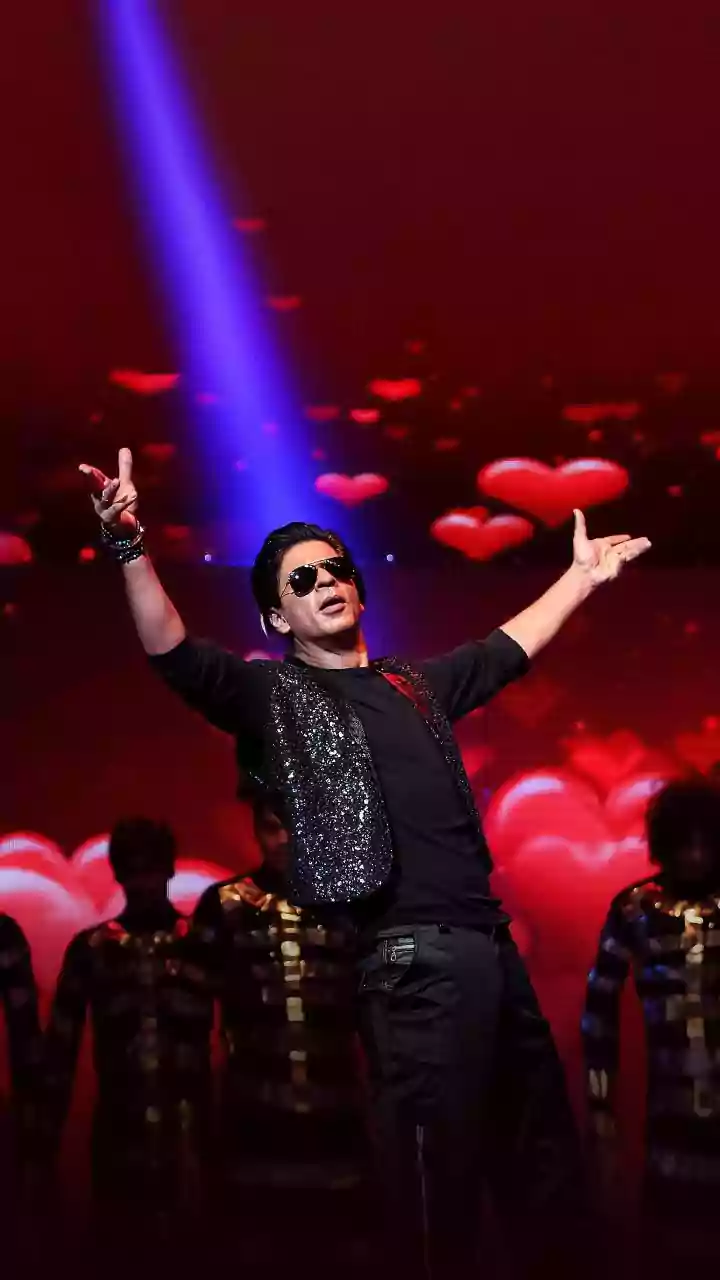
Perhaps the most critical factor is the unparalleled concentration of human talent. Mumbai is a magnet for aspiring actors, directors, writers, musicians, and technicians from every corner of the country. But it's not just about the stars. The city is home to a vast and intricate network of specialised labour — from choreographers and stunt coordinators to set designers, makeup artists, and junior artists. This 'human ecosystem' includes powerful talent management agencies that act as career architects for stars. This dense pool of skills and experience, built over generations, creates a self-sustaining cycle. Talent comes to Mumbai because that's where the work is, and the work stays in Mumbai because that's where the talent is.
The Cultural X-Factor
Beyond the tangible assets, Mumbai possesses an intangible energy often described as the 'City of Dreams'. It's a place that breathes cinema, where the ambition to make it in the film industry is a shared cultural narrative. This environment fosters a unique creative dynamism and a spirit of hustle. The city itself, with its diverse population and blend of chaos and glamour, serves as a constant source of inspiration for storytellers. While other cities are building impressive infrastructure—like Ramoji Film City in Hyderabad—they have yet to replicate this deeply embedded cultural connection to Hindi cinema. Even as regional cinema, particularly from the South, gains massive pan-India appeal, Mumbai remains the primary hub for content produced in the Hindi language.