







Inside the Inspector's Checklist
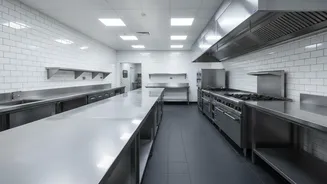
When food safety officers conduct a surprise inspection, they aren't just glancing around. They follow a detailed framework, primarily based on the Food Safety and Standards Authority of India's (FSSAI) 'Schedule 4' guidelines. These rules are the bedrock
of kitchen hygiene, covering everything from the structural integrity of the premises to the personal hygiene of the staff. Key areas of focus include proper food storage, ensuring raw and cooked foods are separated to prevent cross-contamination, maintaining correct temperatures for refrigerated and frozen items, and the quality of the water supply. They also scrutinise pest control measures, waste disposal systems, and whether the staff are trained in safe food handling.
Common Violations Uncovered
Recent drives in cities like Mumbai and Bengaluru have revealed a troubling pattern of violations, even at high-end establishments. Common issues include storing expired products like dairy and meat, failing to segregate vegetarian and non-vegetarian items, and severe pest infestations, including cockroaches and rats. Inspectors have frequently found rotten meat, mouldy vegetables, and improperly stored prepared food. Other significant lapses include the reuse of cooking oil beyond safe limits, dirty kitchens with grease-caked equipment, and staff with poor personal hygiene. These aren't minor oversights; they are fundamental breaches of safety that can lead to foodborne illnesses.
Beyond the License: Understanding Hygiene Ratings
To help consumers make better choices, the FSSAI has a voluntary 'Hygiene Rating Scheme'. This allows restaurants to be rated on a scale of one to five stars based on their compliance with safety and hygiene standards during an audit. A high rating—prominently displayed—can be a strong indicator of a restaurant's commitment to safety, building customer confidence and providing a competitive edge. However, the scheme is still gaining traction, and the number of rated establishments remains small compared to the total number of eateries in the country. This makes consumer vigilance all the more important.
What You Can Spot from Your Table
While you can't inspect the kitchen yourself, there are clues you can gather from the dining area. The cleanliness of the tables, floors, and especially the washrooms can reflect the overall hygiene standards of the establishment. Pay attention to the staff's appearance—are their uniforms clean? Look at the condition of the cutlery and serving dishes. Even the quality and freshness of the food served can be an indicator; food that tastes stale or looks like it has been repeatedly reheated is a red flag. A recent survey showed that a vast majority of diners have personally witnessed hygiene lapses like dirty premises or unhygienic food handling.
Empowering the Consumer
Greater transparency and stricter enforcement are crucial for improving standards. Surveys show strong public support for mandatory display of hygiene ratings, more frequent inspections, and public disclosure of restaurants that violate norms. As a consumer, your voice matters. The FSSAI encourages citizens to report poor hygiene or unsafe food practices through its 'Food Safety Connect' mobile app, allowing you to submit a complaint with photographic evidence. By using these tools and making informed choices, customers can collectively push the industry towards a higher standard of safety and accountability.