




Your Body's Inner Ecosystem
Before diving into the specifics, it's helpful to understand what the gut microbiome actually is. Think of it as a bustling metropolis of trillions of microorganisms, including bacteria, viruses, and fungi, living inside your digestive tract. This complex
community is vital for everything from digesting food and absorbing nutrients to regulating your immune system. A diverse and balanced microbiome is a key indicator of good health. However, this delicate ecosystem is highly responsive to change, and factors like diet, environment, and lifestyle can dramatically alter its composition for better or worse.
The Unique South Asian Gut
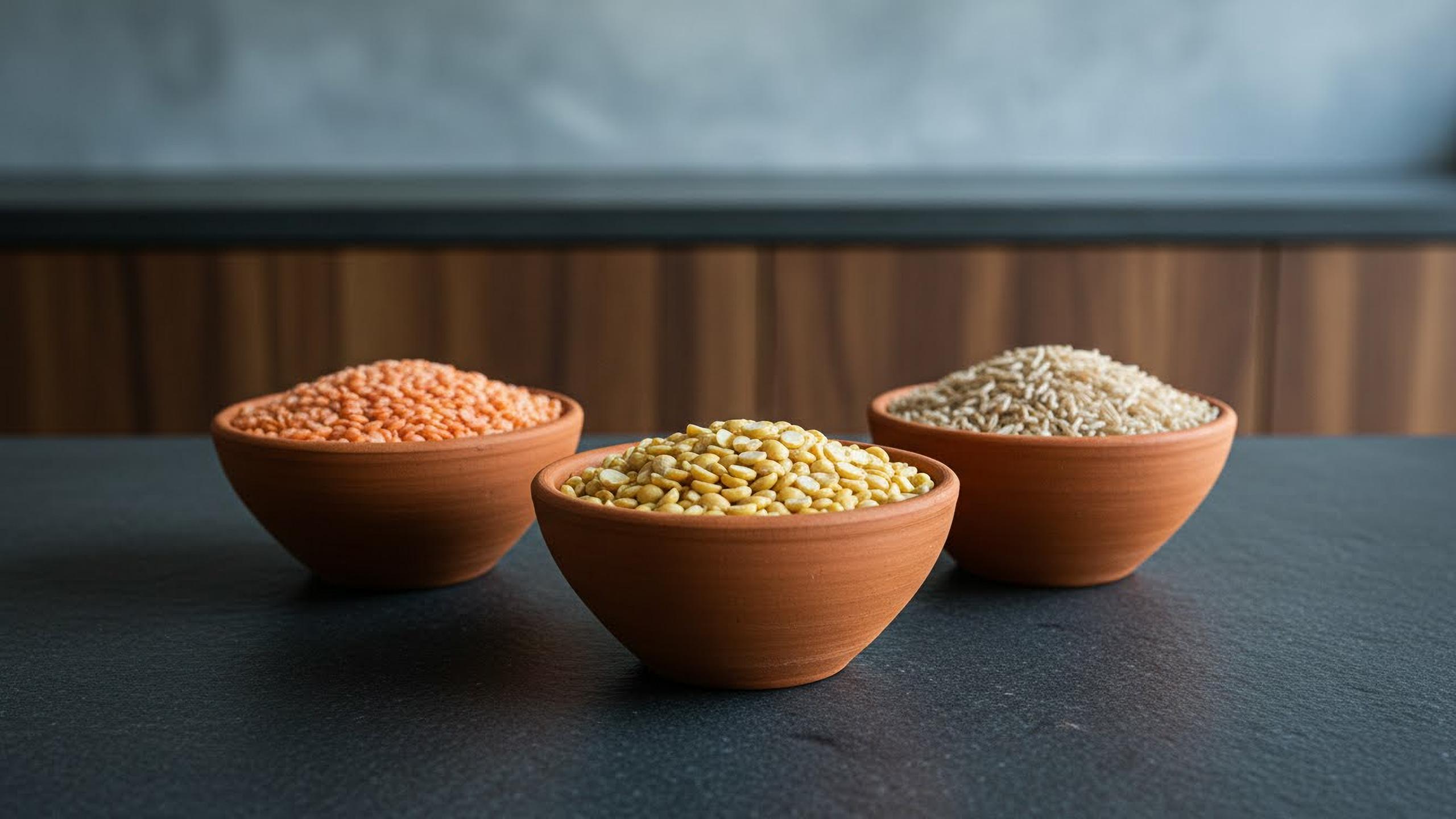
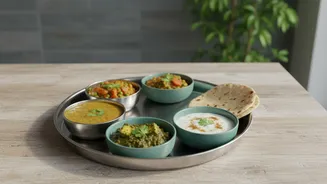
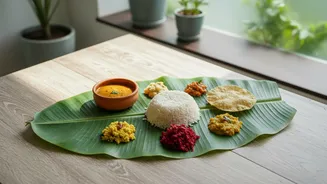
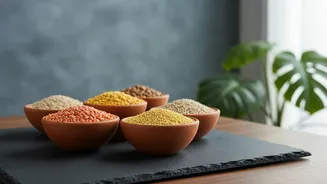
For a long time, microbiome research was overwhelmingly focused on Western populations, leaving a massive gap in our understanding of global health. Recent studies are finally changing that, revealing that the traditional South Asian gut has a unique profile. Largely shaped by a diet rich in fibre, complex carbohydrates, and plant-based foods, it is often dominated by a group of bacteria called Prevotella. These microbes are experts at breaking down fibre, which is abundant in traditional Indian diets full of lentils, vegetables, and whole grains. In contrast, Western guts, influenced by diets higher in protein and fat, tend to be dominated by a different bacteria, Bacteroides.
When Lifestyle and Location Collide
This is where location and lifestyle become critical. A significant body of research, including a major 2026 study known as SAMBAR, has shown what happens when this traditional gut profile is disrupted. The research highlights two key trends: urbanization within South Asia and migration to Western countries. As people move from rural villages to cities, their diets often shift towards more processed foods, refined sugars, and fats. This change leads to a loss of microbial diversity. The effect is even more pronounced in South Asians who immigrate to countries like Canada, the UK, or the US. Studies show that within a generation, their gut microbiomes begin to resemble those of their Western counterparts, marked by a sharp decline in beneficial Prevotella.
The Health Consequences of a Changing Gut
This microbial shift is not just an academic observation; it has serious health implications. South Asian populations, both in urban centres and abroad, face a rapidly rising incidence of metabolic disorders like type 2 diabetes, obesity, and heart disease. Researchers now believe the 'westernization' of their gut microbiome is a major contributing factor. For example, some studies have linked the loss of traditional gut flora and the adoption of a Western diet to a more than six-fold increase in the risk of inflammatory bowel disease (IBD) among South Asian immigrants compared to their counterparts in India. The gut, it seems, is a key mediator between our environment and our genetic predispositions.
Nurturing Your Ancestral Microbiome
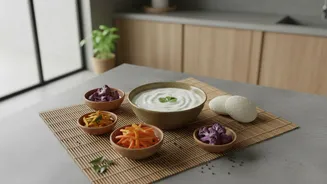
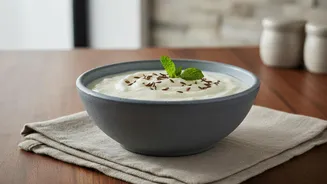
The good news is that the gut microbiome is dynamic and can be nurtured. This research serves as a powerful reminder to preserve protective dietary traditions. The key lies in focusing on the foods that feed a healthy, diverse gut. This means prioritising whole foods and fibre from a variety of plant sources—aiming for different vegetables, fruits, legumes, and whole grains each week can significantly boost microbial diversity. Incorporating traditional fermented foods like dahi, lassi, idli, and dosa introduces beneficial probiotics. The spices central to Indian cooking, such as turmeric, are also known to have positive effects on gut bacteria. It’s not about rejecting modern life, but about consciously integrating the dietary wisdom of our heritage into it.