



The Power of a Simple Base
In Indian cooking, the foundation is everything. Often called a 'base gravy' or 'masala', it's a versatile starting point upon which countless dishes are built. For our purpose, a mild foundation means a simple, neutral-flavoured sauce that is rich in texture
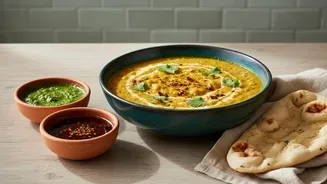
but not overpowering in spice. A classic example is a bhuna masala made from slowly sautéed onions and tomatoes with ginger and garlic. Another excellent base is plain cooked dal, like toor or masoor, boiled until soft and creamy. The magic of this approach lies in its adaptability. By keeping the base simple, you create a blank canvas. The final identity of the dish is then decided by the 'tadka' or tempering—a technique of frying whole or ground spices in hot oil or ghee to release their essential oils and aromas. This finishing touch is where regional personality shines through.
The Southern Touch: Aromatic and Earthy
Travel down to South India, and the finishing style becomes distinct and fragrant. The quintessential South Indian tadka, often sizzled in coconut or sesame oil, is a symphony of flavours. It typically begins with black mustard seeds, which must pop and crackle to release their pungent flavour. These are followed by a sprig of fresh curry leaves, which lend a unique, slightly citrusy aroma, and dried red chillies for a touch of heat. Often, lentils like urad dal or chana dal are added to the hot oil, frying until golden to provide a nutty crunch and texture. A pinch of asafoetida (hing) is almost always included, adding a savoury, umami-like depth that beautifully complements lentil and vegetable dishes like sambar and kootu. When this aromatic tempering is poured over a plain dal or a simple vegetable curry, it instantly transforms it into a dish with a distinctly Southern character.
The Punjabi Finish: Rich and Hearty
Head north to Punjab, and the finishing style becomes robust and comforting. Punjabi tadka is often characterized by its generous use of ghee, which imparts a rich, nutty flavour that oil alone cannot replicate. Cumin seeds are a staple, fried until they release their earthy aroma. Finely chopped garlic and onions are often sautéed in the ghee until golden brown, creating a sweet and savoury base for the tempering. For dals like Dal Tadka or the famously creamy Dal Makhani, this onion-garlic mixture is crucial. A final flourish often includes a pinch of red chilli powder for colour and heat, and sometimes kasuri methi (dried fenugreek leaves), which are crushed between the palms before being added to release their unique, slightly bitter and fragrant aroma. This hearty finish turns a simple lentil or chicken base into a dish worthy of a dhaba.
The Bengali Phoron: Complex and Fragrant
In the East, particularly in Bengal, the finishing touch is often a 'phoron'. The most famous is 'panch phoron', which literally translates to 'five spices'. This blend consists of five whole spices used in equal measure: fenugreek seeds, nigella seeds, cumin seeds, fennel seeds, and mustard seeds. Unlike other tadkas where spices might be added sequentially, the panch phoron mix is typically added all at once to hot mustard oil, which is itself a signature flavour of the region. The spices pop and sizzle, releasing a complex aroma that is simultaneously nutty, bitter, and sweet. This technique is fundamental to many Bengali vegetarian dishes, dals, and even some fish curries. A simple potato curry or a red lentil dal finished with panch phoron is immediately identifiable as a classic Bengali preparation.
The Maharashtrian Flair: Sweet and Aromatic
From Western India, Maharashtrian cuisine offers its own unique finishing style, often built around a special spice blend called 'goda masala'. Unlike the fiery masalas of other regions, goda masala has a subtle, sweet, and aromatic profile, deriving its characteristic flavour from ingredients like dried coconut, sesame seeds, and the unique dagad phool (stone flower). While garam masala is typically added at the end for a final punch, goda masala is often used during the cooking or tempering process to build layers of deep, mellow flavour. It pairs beautifully with the sweet and tangy notes common in Maharashtrian dishes, which often feature jaggery and tamarind. Finishing a simple lentil dish (amti) or a vegetable curry with a tadka featuring goda masala will give it that authentic, soulful taste of a Marathi home.