







What is a Chronotype?
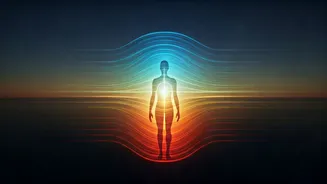
Simply put, your chronotype is your body's natural, genetically influenced tendency to sleep and be active at certain times. It’s the reason you're a “morning lark” or a “night owl.” This internal clock, driven by your circadian rhythm, affects more than
just your sleep-wake cycle; it influences your hormones, core body temperature, and energy levels throughout the day. Scientists generally identify three main types: morning types (larks), who are alert early; evening types (owls), who peak later; and intermediate types, who fall somewhere in between and make up the majority of the population. Ignoring this internal rhythm can lead to what’s known as “social jetlag,” where your daily schedule clashes with your biological clock, leaving you feeling tired and out of sync.
Why Timing Your Workout Matters
The long-held belief that morning is the universally best time to exercise is being challenged. Recent studies suggest that aligning your workouts with your chronotype can lead to significantly better results. One study published in the journal Open Heart found that individuals who exercised at a time that matched their natural alertness patterns saw greater improvements in blood pressure, cholesterol levels, and sleep quality compared to those who worked out at a mismatched time. This isn't just about feeling more energetic; it’s about tangible health benefits. When you work with your body's natural peaks in strength and alertness, you not only improve performance but also may reduce the risk of injury and make exercise feel less like a chore, which boosts consistency.
Training for Morning Larks
If you naturally wake up early and feel most energetic in the morning, you’re a lark, or what some sleep experts call a “Lion.” Your best bet is to capitalize on this early energy. Research suggests larks perform better in morning or early afternoon sessions. For high-intensity workouts like HIIT or a powerful run, mid-morning might be ideal, as your body is fully awake. Strength training can also be effective in the morning for larks, who may find their performance and motivation wanes as the day goes on. The key is listening to that initial burst of energy. However, even for larks, it's wise to give your body a bit of time to wake up and include a proper warm-up to raise core body temperature before jumping into intense activity.
The Night Owl's Guide to Fitness
For night owls, or “Wolves,” the idea of a pre-dawn workout can be dreadful. Their performance often peaks in the late afternoon or evening. This is when core body temperature and hormone levels are more favorable for strength and power-based activities. Studies have shown that strength, coordination, and reaction time tend to be at their highest in the late afternoon, making it a prime window for lifting weights or playing sports requiring quick reflexes. If you're an owl, don't feel guilty about skipping that morning bootcamp. An evening session, when you feel most powerful, is likely to be more effective and enjoyable for you. A common concern is that evening exercise might disrupt sleep, but for many owls, a workout can actually help them wind down and improve sleep quality.
For the In-Betweeners
Most people aren't extreme larks or owls; they fall into the intermediate category, often called “Bears.” Their energy levels follow the sun, with a natural peak in the mid-morning and a dip in the mid-afternoon. This gives them more flexibility. If you're a bear, you might find that a late morning workout is perfect for cardio, while you feel strongest for a weightlifting session in the afternoon. The key is to pay attention to your own daily energy patterns. Do you feel a slump after lunch? Maybe schedule a brisk walk then instead of a demanding workout. The best time for you is the time you feel good and can stick with consistently.
How to Find Your Rhythm
Not sure which chronotype you are? You don't necessarily need a formal questionnaire, though they are available online. The easiest way is to observe your natural tendencies when you don’t have to follow a strict schedule, like on a holiday. What time do you naturally wake up and go to sleep without an alarm? When do you feel most alert and productive? Pay attention to these cues. While your chronotype is largely genetic, it's not entirely fixed and can be influenced by lifestyle and age. But trying to drastically fight your innate rhythm is often a recipe for frustration. By understanding your body's preferred schedule, you can make smarter choices about when to move.