








Beyond the Couch: What is Active Recovery?
For years, a rest day meant doing as little as possible. While complete rest, or 'passive recovery', has its place—especially during injury or extreme fatigue—a more effective strategy is often active recovery. This involves low-intensity exercise performed
after a strenuous workout or on a designated rest day. The goal isn't to build more muscle or burn major calories, but to keep the body moving gently. Think of it as a way to support your body's natural repair processes, rather than bringing them to a halt. The key is that the activity should be light enough that it doesn't add new stress to the body, typically operating at 50% or less of your maximum effort.
The Science of a Smarter Cool-Down
Engaging in light movement after a tough session provides several science-backed benefits. One of the primary advantages is increased blood flow to your muscles. This enhanced circulation delivers essential oxygen and nutrients that are vital for repair, while also helping to flush out metabolic waste products that accumulate during intense exercise. Studies have shown that this process can help clear blood lactate, which contributes to fatigue. The result is often less delayed onset muscle soreness (DOMS)—that familiar ache you feel a day or two after a hard workout. Over time, this leads to reduced stiffness, improved flexibility, and a lower risk of injury.
What Active Recovery Looks Like in Practice
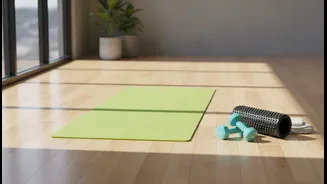
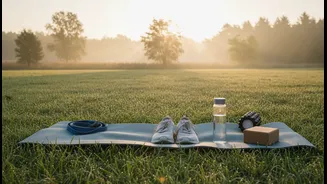
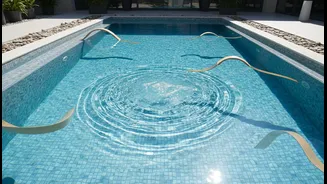
The good news is that active recovery doesn't require expensive equipment or a major time commitment. It's about choosing gentle activities that feel good for your body. Some of the most effective and popular options include: - Light Cardio: A leisurely walk, a slow-paced bike ride, or a gentle swim are excellent choices. The buoyancy of water, in particular, is great for reducing impact on sore joints. - Yoga and Dynamic Stretching: A gentle yoga flow or a series of dynamic stretches like leg swings and arm circles can improve mobility and release muscle tightness. - Foam Rolling: Also known as self-myofascial release, using a foam roller is a form of self-massage that helps break up knots and improve circulation in sore muscles. - Mobility Drills: Simple, controlled joint rotations for your ankles, hips, and shoulders can help maintain your range of motion and keep joints healthy.
How to Schedule Your Recovery
Integrating active recovery into your routine is flexible and depends on your workout schedule and how your body feels. There are two main ways to do it. The first is as an extended cool-down immediately following an intense workout. Instead of stopping abruptly, spend 10 to 15 minutes walking, cycling at a low resistance, or doing some light stretching. The second approach is to dedicate a full 'rest day' to a longer active recovery session, perhaps 30 to 45 minutes of a low-impact activity like swimming or a restorative yoga class. A good rule of thumb is to schedule an active recovery day after every two or three intense training sessions, or whenever you feel particularly sore or fatigued. Listening to your body is the most important part of getting the timing right.