


Beyond Butter Chicken and Biryani
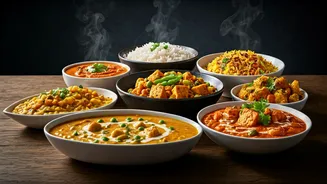
For decades, the perception of 'Indian food,' both at home and abroad, was largely limited to a handful of popular North Indian dishes. Think creamy butter chicken, robust dal makhani, and fluffy naan. While delicious, this narrow view barely scratched
the surface of the subcontinent's vast culinary diversity. That is now changing rapidly. A quiet revolution is taking place in fine-dining restaurants, boutique eateries, and even ambitious home kitchens. Diners are increasingly curious, seeking authenticity and stories on their plates. The new trend is a move toward hyper-regionalism, celebrating the unique flavours of specific states, from the fiery Chettinad curries of Tamil Nadu to the subtle, steamed dishes of Bengal.
What is a Multi-Regional Meal?
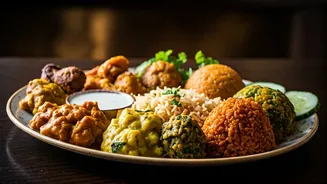
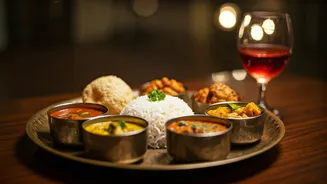
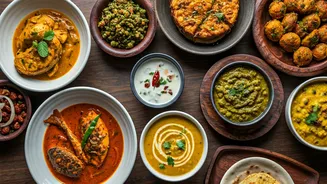
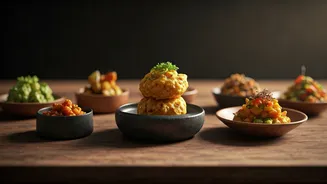
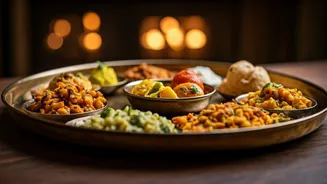
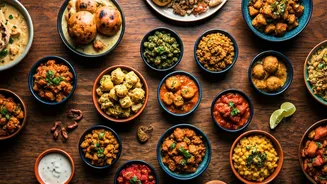
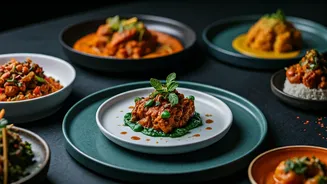
So, what does this 'flex' look like on a plate? It's about curation and storytelling. A multi-regional meal, or a 'Pan-Indian' menu, thoughtfully combines dishes from different parts of the country into a single, cohesive dining experience. This could be a thali featuring a delicate fish curry from Kerala, a smoky lentil preparation from Uttarakhand, a spicy pork dish from Nagaland, and a sweet, yoghurt-based dessert from Gujarat. It might also be a tasting menu where each course transports the diner to a different state. The goal is to showcase the breadth of India's culinary traditions, highlighting contrasting textures, temperatures, and flavour profiles that go far beyond the standard fare. The 'flex' lies in the knowledge required to balance these diverse elements harmoniously.
Chefs as Culinary Cartographers
This trend is being driven by a new generation of confident and curious Indian chefs. Unafraid to showcase traditional recipes with pride, they are acting as culinary cartographers, mapping out India’s forgotten foods and reintroducing them to a modern audience. Many chefs are travelling to remote villages, learning from local cooks, and unearthing heirloom ingredients to bring back to their urban restaurants. Establishments like Masque in Mumbai and Indian Accent in New Delhi are celebrated for reinterpreting regional classics with modern techniques, retaining their soul while presenting them in an innovative, fine-dining context. They are proving that regional food is not just 'simple' or 'home-style,' but a premium category worthy of global recognition.
The Social Media Effect
The rise of multi-regional dining is also deeply connected to our digital lives. Platforms like Instagram and Facebook have become powerful tools for culinary discovery. Food bloggers and influencers have been instrumental in moving the spotlight away from ubiquitous dishes and onto lesser-known regional specialities. A viral reel of someone enjoying a Kumaoni 'Dubke' or a Varanasi 'Tamatar ki Chaat' can spark widespread curiosity. This digital exposure helps preserve culinary traditions and educates a new generation about India’s rich food heritage. Home chefs, too, have used social media to turn their passion for regional family recipes into successful businesses, making authentic dishes from across the country more accessible than ever before.
More Than a Meal: It's Cultural Capital
Ultimately, serving a multi-regional meal is a statement. It signals a departure from the monotonous and an embrace of diversity. For a chef, it demonstrates deep research, technical skill, and a respect for provenance. For a host, it showcases a sophisticated palate and a genuine appreciation for the nuances of Indian culture. It’s a form of cultural capital—the knowledge and ability to navigate India’s complex food landscape is the new measure of a true foodie. This isn't just about showing off; it's about celebrating the authentic, diverse, and unapologetic flavours of India. The trend reflects a growing confidence and a collective desire to explore and take pride in our own culinary roots.