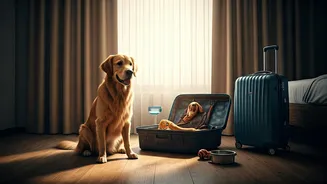









'Pet-Allowed' vs. 'Pet-Friendly'
The first thing to understand is the crucial difference between a property that merely 'allows' pets and one that is genuinely 'pet-friendly'. Many establishments that advertise as pet-friendly simply mean your pet won't be turned away at the door. However,
this can come with heavy restrictions, such as pets being confined to the room, barred from common areas like lawns or restaurants, and a lack of any real amenities for their comfort. A truly pet-friendly place, on the other hand, welcomes your companion as a guest. This means providing access to open spaces, having staff who are comfortable and happy to see animals, and offering amenities that cater to their needs.
Safety is Non-Negotiable
An unfamiliar environment can present numerous hidden dangers for a pet. Before you let them off-leash, a thorough check is essential. Is the property securely fenced to prevent your pet from wandering into unsafe areas or onto roads? Are balconies and windows secured to prevent falls? You should also be mindful of potential hazards within the property itself, like toxic plants, accessible electrical wires, or cleaning chemicals left within reach. Another critical safety aspect is the proximity to veterinary care. It is vital to know where the nearest vet clinic is and confirm their working hours before you finalise your booking. This preparation can be life-saving in an emergency.
Creature Comforts and Activities
A holiday is only a holiday if everyone enjoys it, including your pet. Being cooped up in a strange room while you go out is not a vacation for them. A great pet-friendly property offers amenities designed for your pet's comfort and enjoyment. This can include anything from a dedicated pet bed and food bowls to a special menu or even a welcome kit with treats and toys. More importantly, it means there are things for your pet to do. Look for properties with safe, open spaces for them to run and play. Access to nearby walking trails, private beaches, or parks where your pet is welcome can transform the trip from a stressful confinement to a joyful adventure for them.
The Pre-Booking Checklist
Never assume anything. Before you pay a deposit, get on the phone and ask specific questions to avoid unpleasant surprises. Clarify the exact costs involved; many hotels have extra charges, such as a per-night pet fee or a one-time deep-cleaning fee. Ask about their specific rules: is there a size or breed restriction? Are pets allowed to be left unattended in the room, and if so, for how long? Enquire about access to different parts of the property, such as dining areas or pools. Pay attention to the tone of the staff when you ask these questions. Genuine enthusiasm is a good sign that your pet will be truly welcomed, not just tolerated.
Is Your Pet a Happy Traveller?
Finally, the most important question is one for yourself: does your pet actually enjoy travelling? Not all do. The stress of a long car ride, unfamiliar environments, and a disrupted routine can cause significant anxiety for some animals. Pay attention to your pet's behaviour. Signs of stress can include excessive panting, drooling, restlessness, or loss of appetite. For some pets, especially those who are elderly, anxious, or have health issues, staying at home with a trusted sitter might be the kindest option. A pre-travel vet visit is always a good idea to discuss your pet’s fitness for the journey and get advice on managing travel anxiety or motion sickness.