




Why Seeds Are a Nutritional Powerhouse
Seeds are nature's tiny treasure chests of nutrition. Though small, they are incredibly dense in essential nutrients. Each seed contains the complete blueprint for a new plant, which means it is packed with protein, healthy fats, fibre, vitamins, and
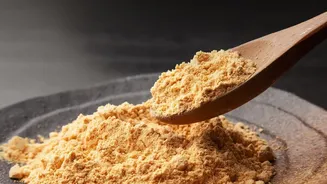
minerals. When we consume them, we tap into this concentrated source of goodness. While whole seeds are beneficial, grinding them into a fine powder has a distinct advantage: it increases the bioavailability of their nutrients. The grinding process breaks down the tough outer shells, making it easier for our digestive system to access the protein, omega-3 fatty acids, and other micronutrients locked inside. This simple step ensures you get the maximum benefit from every spoonful.
Your Guide to the Best Seeds for Protein
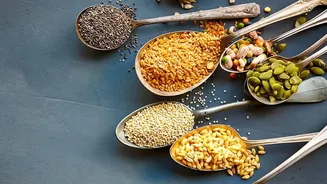
While most seeds offer nutritional benefits, some are particularly high in protein, making them ideal for this purpose. You can start with a single seed powder or create a custom blend. Consider these excellent options: - Hemp Seeds: Often called a superstar in the seed world, hemp seeds provide a significant protein punch and are considered a complete protein, meaning they contain all nine essential amino acids. - Pumpkin Seeds: These familiar green seeds are not only rich in protein but also an excellent source of magnesium, which is vital for muscle function and bone health. - Sunflower Seeds: A great source of protein, sunflower seeds are also packed with Vitamin E, a powerful antioxidant that supports skin health and immune function. - Flaxseeds: Celebrated for their high content of alpha-linolenic acid (ALA), a type of omega-3 fatty acid, flaxseeds also deliver a healthy dose of fibre and protein. - Chia Seeds: These tiny seeds are rich in protein and fibre. They have the unique ability to absorb liquid and form a gel, which can add a pleasant thickness to batters. - Sesame Seeds: A staple in Indian cooking, sesame seeds contribute a lovely nutty flavour along with protein, calcium, and healthy fats.
A Simple Guide to Making Seed Powder
Creating your own seed powder at home is quick, economical, and ensures you have a fresh, preservative-free product. Follow these simple steps: 1. Start with quality seeds. Use raw, unsalted seeds for the best nutritional outcome. 2. (Optional) Lightly roast. For seeds like pumpkin, sunflower, and sesame, you can lightly toast them in a dry pan over low heat for a few minutes until they become fragrant. This enhances their nutty flavour. Avoid roasting flax or chia seeds, as their delicate fats are sensitive to heat. 3. Cool completely. Before grinding, allow the seeds to cool down to room temperature. Grinding warm seeds can cause them to release their oils and turn into a paste. 4. Grind in short bursts. Use a clean, dry spice grinder, coffee grinder, or a powerful blender. It's best to grind each type of seed separately, even if you plan to mix them later. Use short pulses to create a fine powder. Over-grinding can create seed butter. 5. Store properly. Transfer your finished powder to an airtight glass jar. Due to their natural oil content, ground seeds can spoil. Store the jar in the refrigerator to maintain freshness for several weeks.
Adding Seed Powder to Dosa and Thalipeeth
Incorporating your homemade powder into traditional batters is seamless. The key is to add it at the right stage and in the right proportion. For Dosa Batter: A typical plain dosa provides about 3-4 grams of protein. To enhance this, add the seed powder to your batter after it has fully fermented. Adding powders or even salt before fermentation can sometimes slow down the natural process. Start with a ratio of 2 to 3 tablespoons of seed powder for every 2 cups of dosa batter. Mix it in gently but thoroughly just before you start making your dosas. The powder may thicken the batter slightly, so you might need to add a splash of water to achieve the perfect spreading consistency. For Thalipeeth Batter: Making thalipeeth usually involves a multigrain flour mix known as 'bhajani'. The seed powder can be directly added to this dry flour blend before you begin kneading the dough with water and spices. A good starting point is to add 2 to 3 tablespoons of seed powder for every cup of thalipeeth flour. The nutty undertone of the seeds beautifully complements the earthy flavours of the roasted grains and pulses in the flour.
More Than a Protein Punch
While boosting protein is the main goal, these seed powders bring a host of other wellness benefits to your plate. The significant fibre content helps improve digestion, regulates blood sugar levels, and promotes a feeling of fullness, which can aid in weight management. The healthy fats, particularly omega-3s from flax and chia seeds, are essential for heart health and brain function. Furthermore, this simple addition enriches your meal with a wider array of minerals, including zinc, iron, and calcium, contributing to your overall health and vitality with minimal effort.