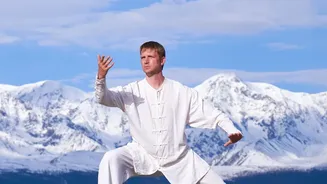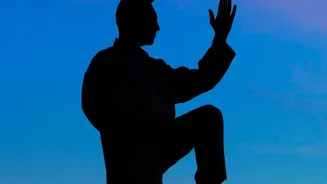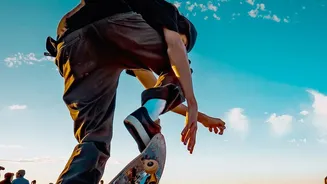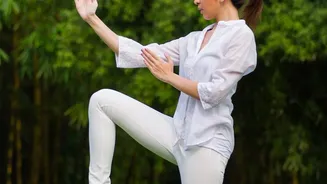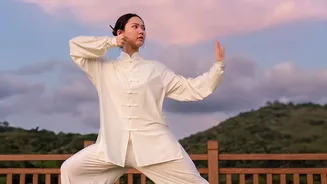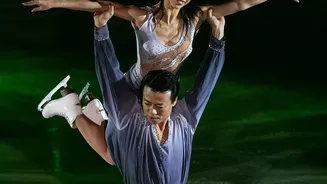





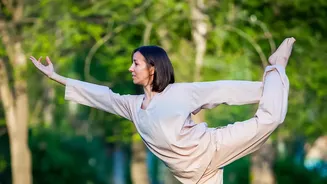
At a glance, skating and Tai Chi both involve a graceful, gliding quality. But beneath the surface, their methods of shifting weight reveal profoundly different philosophies of movement, balance, and power. Let's explore these key distinctions.
The Purpose of the Movement
The most
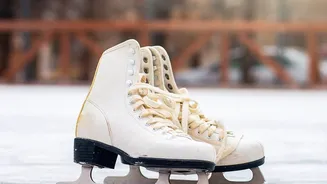
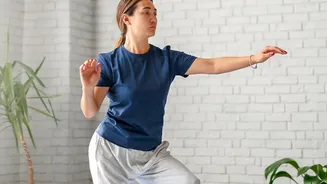
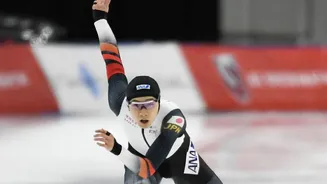
fundamental difference lies in the goal. Skating, whether on ice or wheels, is about propulsion. The skater shifts their weight to generate horizontal force, pushing off one leg to glide forward on the other. The entire action is geared toward creating and managing momentum for speed and distance. In contrast, Tai Chi is a martial art practiced for health and mindfulness, often described as 'meditation in motion'. Its weight shifts are not for propulsion but for achieving profound stability, balance, and control. The goal is to remain centered and connected to the ground, moving with deliberate intention rather than momentum.
'Full' and 'Empty': The 100/0 Rule
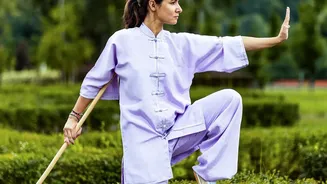
A core principle in Tai Chi is the clear separation of 'full' and 'empty'. When a Tai Chi practitioner shifts weight, they do so completely. One leg becomes 'full' or 'substantial', bearing 100% of the body's weight, while the other becomes 'empty' or 'insubstantial', bearing zero weight. This empty foot can then be lifted or repositioned with ease, without disturbing the body's balance. You establish stability first, then move. Skating is entirely different. The weight transfer is a blend; as one leg pushes off, weight is progressively transferred to the gliding leg, with both legs sharing the load during the transition to create a smooth, propulsive impulse.
Generating Force: Center vs. Periphery
In skating, power comes from the powerful extension of the hip, knee, and ankle of the pushing leg. It's an explosive, athletic movement that drives the body across a surface. While the core is engaged for stability, the force is generated peripherally. Tai Chi movement originates from a central point in the lower abdomen known as the 'dantian'. According to its principles, all movements are directed by the rotation of the waist and hips, not the limbs. The idea is that power is generated from the ground, travels up through the legs to the dantian, which then directs it outward. The limbs remain relaxed and are moved by this central engine, not under their own power.
Connection to the Ground: Rooting vs. Gliding
This leads to another crucial difference: the concept of 'rooting'. In Tai Chi, practitioners strive to develop a 'root', an energetic and physical connection to the earth through the full leg. This creates immense stability, as if the practitioner were a tree growing deep into the ground. The weight sinks down, lowering the center of gravity and creating a solid base. A skater's connection to their surface is the opposite. It is dynamic, light, and designed for minimal friction. The goal is to glide over the surface, not connect into it. While balance is key, it's a dynamic balance that constantly adjusts to high-speed movement and changing edges, not the deep, static stability sought in Tai Chi.
Momentum vs. Stillness in Motion
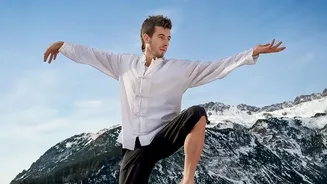
Ultimately, a skater harnesses momentum. They create it, ride it, and control it. A weight shift is part of a continuous flow designed to keep moving. In fact, a common walking habit that Tai Chi seeks to correct is falling forward and using the next step to catch your own momentum. Tai Chi practice demands the opposite; you move with conscious control, never relying on momentum. Each shift is a deliberate 'pouring' of weight from one vessel to another. Even during faster movements or 'fa jin' (explosive force release), the power comes from a controlled, whole-body coordination originating from the root and dantian, not from coasting or momentum. It is a practice of maintaining 'stillness in motion', where a calm mind and stable base are present within every graceful turn and transition.