



Why the Renewed Focus on Food Safety?
Indian Railways is on a mission to improve the passenger experience, and food is a major part of that. In response to passenger complaints and a commitment to higher standards, a multi-pronged enforcement drive is underway. Over the last three years,
penalties worth ₹5.13 crore have been imposed on catering licensees for violations. This crackdown involves regular and surprise inspections by Railway and IRCTC officials, including Food Safety Officers, to ensure hygiene, quality, and compliance with all regulations. The goal is to move from a reactive complaint-based system to a proactive one where quality is assured from the start, building passenger trust in onboard catering.
Your Three-Point Checklist Before Paying
As a passenger, you are the first line of defence. Before purchasing any food item, from a full meal to a simple bottle of water, empower yourself with this simple checklist. First, check the vendor's identification; all authorised staff must carry an ID card with a QR code. Second, look for the mandatory FSSAI (Food Safety and Standards Authority of India) license, which every legitimate catering unit must have. Third, and most importantly, always insist on a bill for your purchase. This is not just for your records; it's a crucial part of the accountability system Indian Railways is trying to build.
Know the 'No Bill, Food Is Free' Policy
One of the most powerful tools available to passengers is the "No Bill, Food is Free" policy. This initiative is designed to curb overcharging and ensure that every transaction is officially recorded. If a vendor is unable or unwilling to provide a printed bill generated by a Point of Sale (POS) machine, you are not obligated to pay for the item. This policy is often printed on menu cards and sometimes even on the uniforms of the catering staff. While it may feel confrontational to invoke this rule, doing so helps enforce transparency and discourages vendors from charging more than the approved rates. Be firm and polite, and know that this policy is in place to protect you.
Spotting Unauthorised Vendors and New Tech
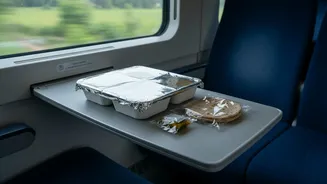
Unauthorised sellers are a significant source of substandard and unhygienic food on trains and platforms. The safest way to order is through the official IRCTC eCatering website or the 'Food on Track' app, which connects you only with FSSAI-approved restaurants. For pre-packaged meals served on board, Indian Railways has introduced QR codes on the packets. Scanning this code with your phone will reveal crucial details like the kitchen where the food was prepared, the packing date, and the FSSAI license number, adding a new layer of transparency to your meal. Some railway divisions have also started putting QR codes on static food stalls at stations, allowing you to verify vendor details and see the approved price list instantly.
How to Report a Problem Effectively
If you encounter any issues with food quality, overcharging, or hygiene, reporting it is easier than ever. The primary tool is the Rail Madad integrated helpline. You can call the single helpline number 139, use the Rail Madad mobile app, or file a complaint on the Rail Madad web portal. The app allows you to register a complaint with your PNR number and even upload photos as evidence. Once a complaint is filed, you will receive a unique ID to track its status. You can also raise the issue on social media, tagging official handles like @RailMinIndia and @IRCTCofficial for a swift response. Every complaint contributes to a database that helps Railways identify problem areas and take targeted action.