





Find Your Perfect Vessel
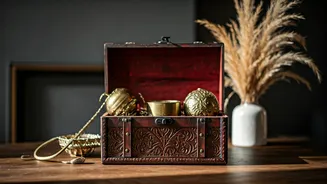
The first step is a treasure hunt. Look through your family’s collection of old brass and bronze (kancha) items. You’re looking for pieces with character and a shape that can hold a plant. A wide, shallow urli is perfect for creating a miniature garden
with succulents or floating flowers. A deep handi or a Degchi can house a taller plant like a Snake Plant, creating a dramatic statement. Even old brass lotas or tiffin carriers can be repurposed into charming, smaller planters for a windowsill or side table. Don't worry about small dents or a bit of patina; these imperfections tell a story and add to the vessel’s unique charm. If you don't have any at home, a trip to a local antique dealer or a flea market like Mumbai's Chor Bazaar or Delhi's Meena Bazaar can yield some beautiful finds.
The Restoration and The Shine
Before your vessel can house a new plant, it needs a thorough cleaning to bring back its original lustre. The best part? You probably already have the ingredients. For a traditional, eco-friendly approach, a paste of tamarind (imli) pulp and salt works wonders. Apply the paste, let it sit for about 15-20 minutes, and then scrub with a coir brush or a soft cloth before rinsing. Another classic method is rubbing the surface with a cut lemon dipped in salt. For more stubborn stains or a high-gloss finish, a commercial brass polish like Pitambari is a reliable choice. Follow the instructions on the packaging carefully. Whichever method you choose, wear gloves to protect your hands and rinse the vessel thoroughly to remove any residue that could harm your plant.
Prepare for New Life: Drainage is Key
This is the most critical step for ensuring your plant thrives. Most old cookware has no drainage, and standing water is the fastest way to kill a plant by causing root rot. You have two main options. The first, and best for plant health, is to drill drainage holes. If you’re comfortable with a drill, use a bit designed for metal to create 3-4 small holes at the bottom of the vessel. If drilling isn’t an option, you can use the 'cachepot' method. This means you keep your plant in its original plastic nursery pot (which already has drainage holes) and simply place it inside the decorative brass vessel. After watering, you can easily lift the inner pot to discard any excess water that has collected in the brass container. For either method, it's wise to add a one-inch layer of small stones or gravel at the bottom to further assist with drainage.
Choosing the Right Green Companion
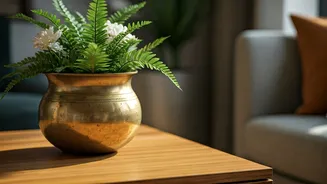
The golden, warm tones of brass pair beautifully with a wide variety of plants. The key is to choose one that suits the pot's size and your home's light conditions. For deep handis or degs, tall, architectural plants like the Snake Plant (Sansevieria) or the ZZ Plant (Zamioculcas zamiifolia) create a stunning vertical accent. They are also famously low-maintenance. For a wide urli, you could plant a cluster of small succulents or create a lush bed of bright green Money Plant (Pothos), allowing its vines to trail elegantly over the sides. The deep green of a Fiddle Leaf Fig's leaves against the gleaming brass is a classic designer look. Consider the contrast in textures and colours—the smooth, metallic surface of the pot against the organic, lush foliage of the plant is what makes this combination so visually appealing.
Styling Your Heritage Planter
Now for the fun part: placing your creation. A large, statement urli can become the centrepiece of your coffee table or entryway console. A tall handi with a lush fern can bring life to an empty corner of your living room. A collection of smaller brass planters, like old lotas or tumblers, can be grouped together on a bookshelf or windowsill for a collected, eclectic look. Don't be afraid to mix and match. The beauty of these pieces is their versatility. They can complement a minimalist, modern aesthetic just as easily as they can fit into a more traditional, ethnic decor scheme. They serve as a constant, beautiful reminder that new life and contemporary style can be found in the most traditional of objects.