




Red and Orange Alerts Across Popular Spots
The India Meteorological Department has put several popular monsoon destinations on high alert this July. States like Maharashtra, Goa, Kerala, and parts of Karnataka are experiencing an active and intense monsoon spell. The IMD has issued 'red' and 'orange'
alerts for regions like Konkan and Goa, Madhya Maharashtra, and coastal Karnataka, which are home to tourist favourites like Lonavala, Mahabaleshwar, and the Goan coastline. An orange alert urges authorities to be prepared, while a red alert signifies a call to action to prevent potential disasters. These warnings forecast heavy to extremely heavy rainfall, often exceeding 20 cm in 24 hours, accompanied by strong winds and rough sea conditions. For instance, extremely heavy rainfall has already been recorded in the Konkan region and Madhya Maharashtra, areas that see a huge influx of weekend tourists from Mumbai and Pune. The warnings aren't just for the western coast; Himachal Pradesh and Uttarakhand are also under watch for heavy showers, increasing the risk of landslides in the fragile Himalayan terrain.
The Real Dangers of a Monsoon Drive
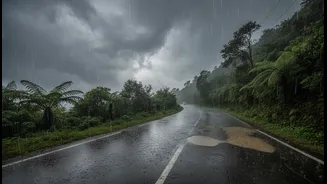
A 'heavy rain' warning means much more than just a wet drive. For travellers, it translates into a host of life-threatening risks. The most significant danger in hilly and ghat areas is landslides and mudslides. Recent incidents this monsoon season have already proven deadly. In Kerala's Wayanad district, a massive mudslide led to fatalities and a major rescue operation. In Maharashtra, a landslip in Ratnagiri district buried homes, while key routes like the Mumbai-Pune and Mumbai-Goa highways have faced blockages due to debris. Flash floods are another severe risk, capable of turning roads into raging rivers within minutes. This has been a recurring problem in low-lying areas and even on major highways, leaving tourists stranded for hours. Waterlogging in cities like Mumbai and Delhi has caused severe traffic snarls, flight diversions, and brought daily life to a standstill, demonstrating how quickly infrastructure can be overwhelmed. Driving in these conditions means navigating poor visibility, submerged roads that hide potholes and open manholes, and the constant threat of your vehicle getting stuck or swept away.
When Getaways Turn into Nightmares
Every monsoon, stories emerge of tourists whose dream trips turned into harrowing ordeals. This year is no different. In Maharashtra's Palghar district, over a thousand residents and tourists had to be evacuated to relief centres due to flood-like situations. In Raigad, another popular getaway district near Mumbai, hundreds of stranded people, including tourists, required rescue. In one instance, six tourists were stranded on Tandulwadi fort in Palghar due to heavy rain and fog, necessitating a police rescue. Even air travel is not immune; multiple flights bound for Mumbai have been diverted to other airports due to poor visibility and torrential downpours. These disruptions don't just ruin a holiday; they put an enormous strain on local administration and rescue services, diverting critical resources that are needed for residents. The idyllic image of watching the rain from a resort balcony can quickly be replaced by the reality of being trapped with dwindling supplies, no electricity, and no safe way out.
Smarter, Safer Ways to Enjoy the Monsoon
Beating the getaway FOMO doesn't mean you can't enjoy the season. It just calls for a smarter approach. This is the perfect time for a 'staycation'—exploring the attractions within your own city. Discover a new cafe, visit a museum or art gallery you've been putting off, or host a monsoon-themed get-together at home. Many cities have beautiful parks and urban green spaces that are revitalised by the rain and can be visited during a break in the weather. If you must travel, choose destinations that are less prone to extreme weather events. For example, some parts of Tamil Nadu or the drier plateaus of central India might offer a safer alternative to the high-rainfall zones of the Western Ghats and the Himalayas. Always check the five-day forecast from the IMD, pay close attention to district-level warnings, and follow traffic advisories. Postponing a trip to a high-risk area is not a missed opportunity; it's a responsible decision. A weekend can always be rescheduled, but safety is non-negotiable.