

The Tale of Two Hills
Bengaluru is uniquely positioned for weekend warriors seeking a quick dose of nature and altitude. Just a short drive from the city, a landscape of ancient rock formations and fortress-topped hills awaits. Among these, Skandagiri and Savandurga are iconic
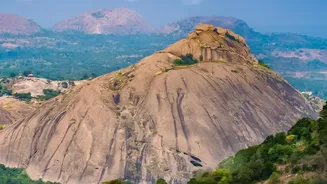
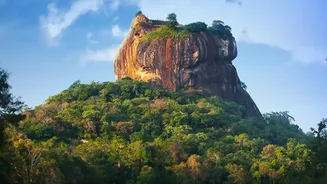
destinations, each offering a distinct personality. Skandagiri, also known as Kalavara Durga, is famous for its magical sunrise views, often witnessed from above a sea of clouds. Savandurga, on the other hand, holds the title of being one of Asia’s largest monolith hills, presenting a stark, formidable challenge with a rich history. While both are roughly 60-70 km from Bengaluru, the experience they offer—from the trail under your feet to the panorama at the summit—is vastly different. Choosing between them depends entirely on the kind of adventure you’re seeking.
The Trail: Skandagiri's Night Ascent
The Skandagiri trek is synonymous with night hiking. The trail is approximately 8 kilometres for a round trip and is generally rated as moderate in difficulty. Most trekkers begin their ascent around 3 or 4 AM to reach the summit in time for a spectacular sunrise. The path itself is a mix of earthy trails, dense shrubbery, and steep, rocky sections that require careful navigation in the dark. The ruins of Tipu Sultan's fort dot the landscape, adding a historical dimension to the climb. Because it's a designated eco-tourism spot, booking your trek in advance through the official Karnataka Eco-tourism website is mandatory, as a limited number of permits are issued daily. The guided ascent ensures safety and keeps you on the right path through the pre-dawn darkness.
The Trail: Savandurga's Monolithic Challenge
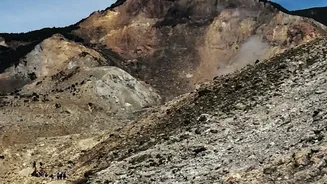
Savandurga is a different beast altogether. As a massive single rock formation, the trek is largely an exposed climb on a bare, sloping rock face. There are two main trails: the easier Billigudda (white hill) and the tougher Karigudda (black hill). Most trekkers take the Billigudda route, which is shorter than Skandagiri at around 4-6 km for a round trip, but is considered moderately difficult due to its steep inclines. The path is marked with painted arrows on the rock, guiding you up the monolith. Unlike Skandagiri, this is primarily a day trek; the rock heats up quickly, so an early morning start is essential. The lack of tree cover makes it a demanding climb, testing your endurance against the gradient and the sun. The descent can be particularly tricky on the steep rock surface.
Fitness Factor: Stamina vs. Agility
Both treks are labelled 'moderate', but the physical demands differ. Skandagiri's 8 km trail requires good stamina, especially given the night schedule. It’s manageable for active beginners, but the combination of darkness, rocky patches, and steady ascent can be tiring. Savandurga, while shorter, is arguably more intense. Its steep, non-stop climb on the rock surface puts significant strain on your leg muscles and cardiovascular system. It requires confidence in your footing and is less forgiving of hesitation. For those with a fear of heights or less confidence on bare rock, Savandurga can be mentally taxing. In short, Skandagiri tests your endurance over a longer period, while Savandurga tests your strength and agility in a concentrated, steep burst.
The Reward: A Sea of Clouds vs. Sweeping Panoramas
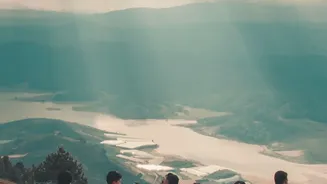
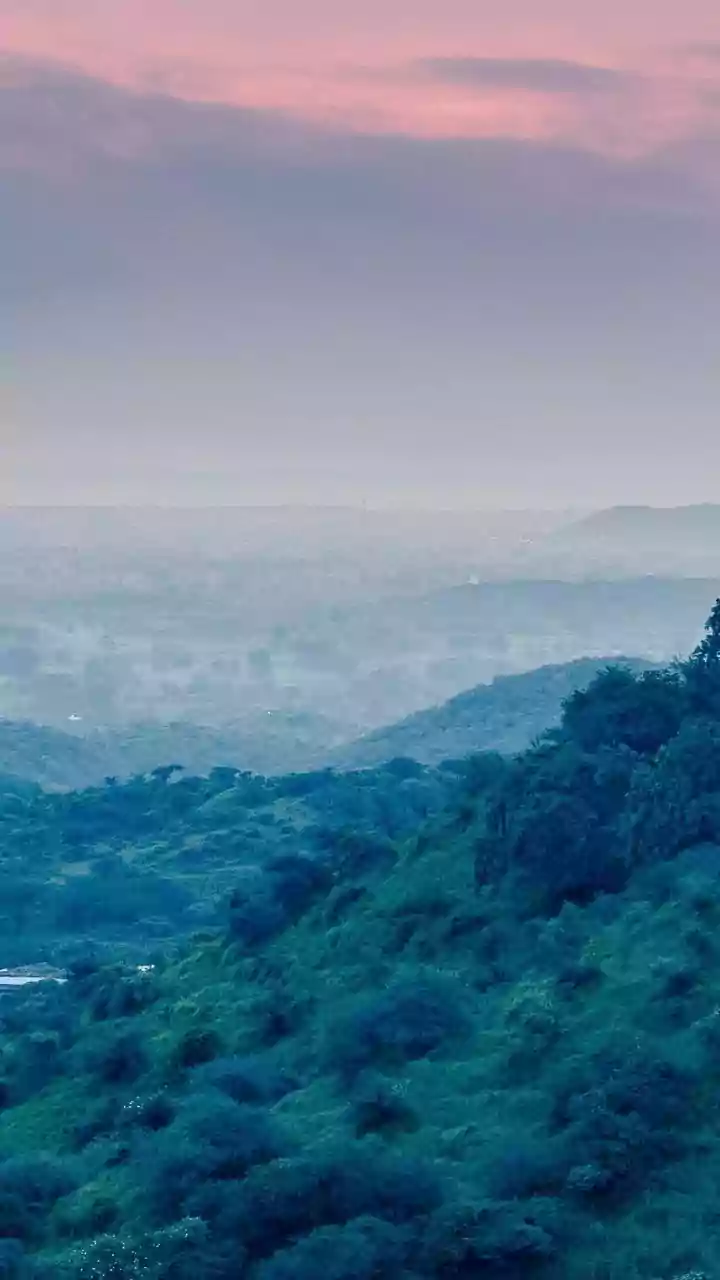
The view from the top is the ultimate prize. Skandagiri’s main draw is the sunrise. On a clear morning, you are treated to the sight of the sun rising over a thick blanket of clouds that fills the valleys below, making it feel like you are floating in the sky. The ruins of a temple and fort at the summit provide a dramatic backdrop. The Savandurga summit offers a different kind of beauty. It provides stunning 360-degree panoramic views of the surrounding landscape, including the Manchanabele and Thippagondanahalli reservoirs and the distant Arkavathi River. The sense of scale, standing atop one of the largest monoliths in Asia, is immense. The view is vast, rugged, and deeply rewarding after the challenging climb.