


The Importance of Fibre
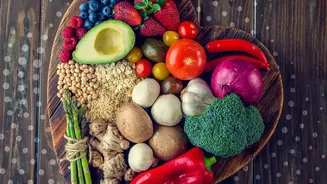
Before we dive into the 'how,' let's talk about the 'why.' Dietary fibre is the part of plant-based foods that your body can't digest. Instead, it travels through your digestive system, where it acts as a prebiotic, or food for the beneficial bacteria
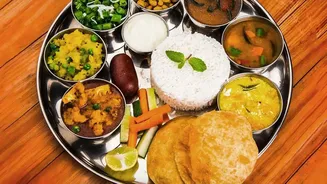
in your gut. This process is crucial for a healthy gut microbiome, which influences everything from digestion and immunity to mood. Fibre helps promote regular bowel movements, adds bulk to stool, and can help manage cholesterol and blood sugar levels. While many traditional Indian diets are naturally rich in fibre from dals, vegetables, and whole grains, modern food processing has often stripped this essential nutrient away. The goal is to consciously add it back in.
Swap Your Grains
One of the easiest and most impactful changes is to switch from refined grains to whole grains. Instead of white rice, try brown rice or millets like jowar and bajra. These are staples in many Indian households and are packed with fibre. When buying flour for rotis or bread, opt for whole wheat atta instead of maida (refined flour). You don't have to go all-in at once. Start by mixing half white rice and half brown rice, or using a blended flour. The gradual change will help your palate and digestive system adjust.
Embrace Pulses and Legumes
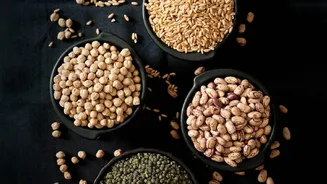
Pulses like dals, chickpeas (chana), and kidney beans (rajma) are fibre powerhouses. They are a cornerstone of Indian cuisine for a reason. Make it a goal to include a serving of dal or another legume with every main meal. Beyond just curries, think about adding boiled chickpeas to salads, making sprout chaat for a snack, or blending lentils into soups and stews. This not only boosts fibre but also adds a healthy dose of plant-based protein.
Don’t Peel Everything
A surprising amount of fibre and nutrients are located in the skin of fruits and vegetables. Whenever possible, eat your fruits like apples, pears, and guavas with the skin on. The same goes for vegetables like potatoes, carrots, and cucumbers. Just be sure to wash them thoroughly before eating. This simple habit requires no extra cooking time and instantly increases the fibre content of your meal. By choosing whole fruits over fruit juices, you also retain all the beneficial pulp and fibre.
Supercharge with Seeds and Nuts
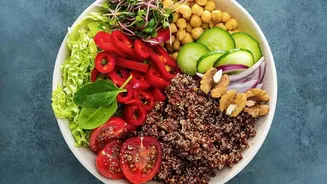
Seeds like chia, flax, and basil (sabja) are tiny but incredibly mighty when it comes to fibre. They are easy to sprinkle over yoghurt, oatmeal, smoothies, or salads without really changing the flavour of your dish. A handful of nuts like almonds and walnuts also makes for a fantastic fibre-rich snack. Instead of reaching for packaged biscuits with your afternoon tea, try a small bowl of roasted chana, a handful of nuts, or a piece of fruit.
Stay Hydrated
This isn't a food change, but it's a critical kitchen habit that supports your increased fibre intake. Fibre works by absorbing water, which helps soften stool and move it through your digestive system smoothly. If you increase your fibre intake without increasing your water intake, you might experience bloating or discomfort. Keep a water bottle handy throughout the day and consider setting up a dedicated hydration station in your kitchen with filtered water and perhaps some herbal teas to make drinking more appealing.